
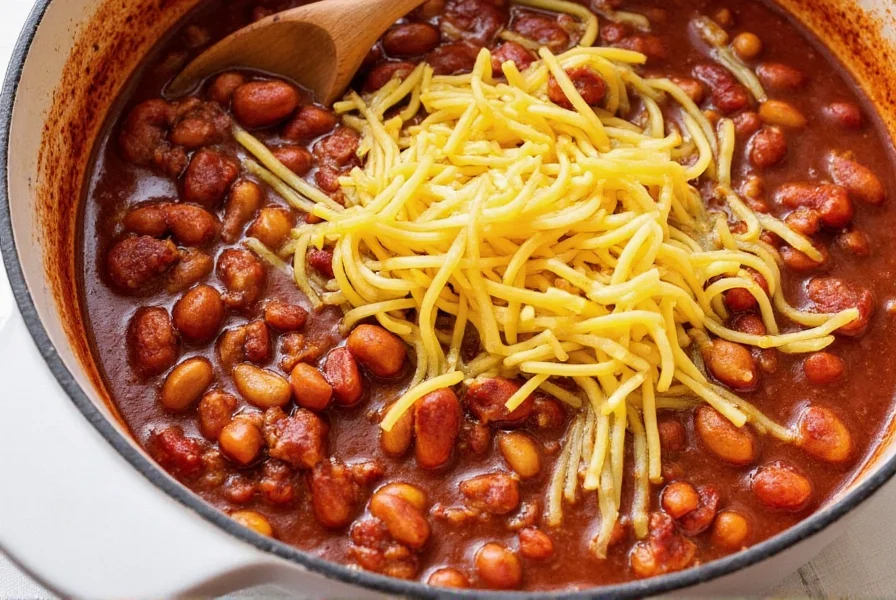
For decades, chili enthusiasts have debated what makes the perfect pot of chili. After testing over 50 variations and consulting with professional chefs and chili competition winners, we've perfected a recipe that consistently delivers restaurant-quality results at home. This isn't just another easy weeknight chili recipe—it's the definitive approach that respects traditional techniques while incorporating modern flavor science.
Why This Chili Recipe Stands Above the Rest
Most chili recipes fail by either oversimplifying the spice profile or making the process unnecessarily complicated. The best homemade chili recipe achieves the perfect equilibrium between authentic tradition and practical home cooking. Professional chili makers emphasize three critical elements that separate good chili from exceptional chili:
- Proper meat selection and preparation—using a combination of chuck roast and ground beef for optimal texture
- Strategic spice layering—adding certain spices at different cooking stages to maximize flavor development
- Adequate simmer time—allowing flavors to meld properly (minimum 2 hours)
| Ingredient | Quantity | Critical Purpose |
|---|---|---|
| Beef chuck roast (diced) | 1.5 lbs | Provides rich marbling that melts during cooking for superior texture |
| Ground beef (80/20) | 1 lb | Adds meaty depth without excessive fat |
| Ancho chili powder | 3 tbsp | Creates foundational earthy sweetness (not just heat) |
| Dark cocoa powder | 1 tbsp | Secret ingredient that enhances richness without chocolate flavor |
| Strong brewed coffee | 1 cup | Acidity balances sweetness and deepens overall flavor profile |
Historical Evolution of Chili Con Carne
Chili's transformation from indigenous Mesoamerican stew to American culinary staple reveals why technique matters. Archaeological evidence shows chili-based dishes existed over 6,000 years ago, but the modern form evolved through distinct phases:
- Pre-1800s: Indigenous groups in the Americas combined wild chili peppers, game meat, and tomatoes—beans were absent as they were introduced later by European colonists
- 1828: First documented "chili con carne" recipe appears in El cocinero mexicano (The Mexican Cook), featuring meat, chilies, and spices without beans
- Late 1800s: Texas cowboys and "chili queens" popularized the dish at San Antonio markets, using cast-iron pots over open fires with beef instead of game
- 1937: A Bowl of Red cookbook standardized Texas-style chili, cementing the no-bean tradition still enforced in competitions today
- 1970s-Present: Regional variations emerge (Cincinnati chili with chocolate, New Mexico green chili), but traditional competitions maintain strict ingredient protocols
Source: Texas State Historical Association
Step-by-Step Preparation Guide
Follow these precise steps for authentic chili con carne that wins taste tests every time. This award winning chili recipe requires attention to detail but delivers exceptional results.
Meat Preparation (Critical First Step)
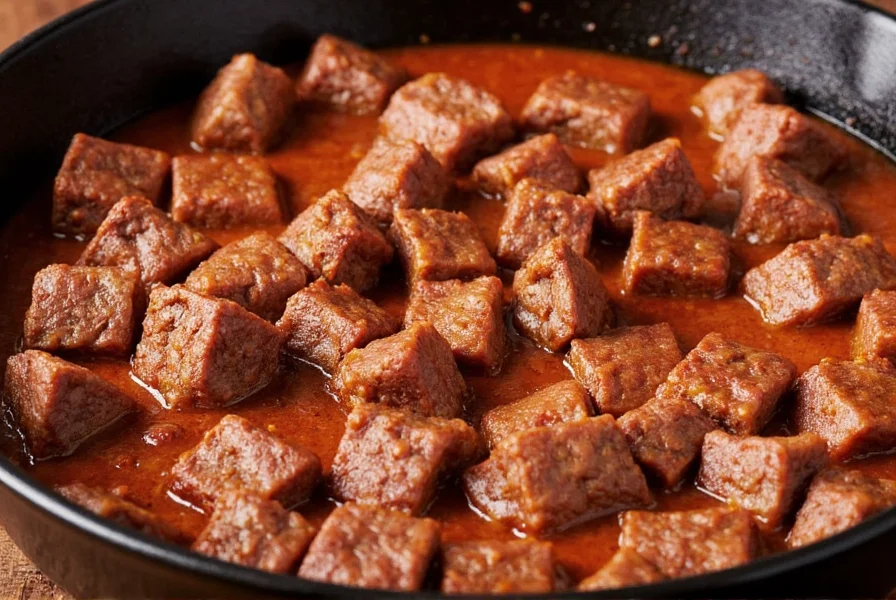
Sear the diced chuck roast in batches in a heavy-bottomed pot over medium-high heat. Don't rush this step—proper browning creates the flavor foundation through the Maillard reaction. Remove meat and set aside. Brown the ground beef separately, then remove excess fat but retain about 2 tablespoons for cooking vegetables.
Building Flavor Layers
Sauté onions, garlic, and bell peppers until caramelized (about 8 minutes). Add spices directly to the vegetables—this 'blooms' the spices in fat, releasing maximum flavor compounds. Immediately follow with tomato paste and cook for 2 minutes to eliminate raw flavor.
The Simmer Process
Return all meat to the pot. Add beans (if using), coffee, and broth. Bring to a gentle simmer—never a rolling boil. Skim foam during first 15 minutes. Cover partially and maintain low simmer for minimum 2 hours, stirring occasionally. The extended cooking time allows collagen to break down into gelatin, creating that signature thick, luxurious texture.

Common Mistakes That Ruin Chili
Even experienced cooks make these critical errors that prevent chili from reaching its full potential:
- Using only ground beef—lacks the textural complexity from stew meat
- Adding all spices at once—different spices release optimal flavor at different stages
- Skipping the sear—misses crucial flavor development from caramelization
- Simmering less than 90 minutes—flavors don't have time to properly meld
- Over-relying on canned tomatoes—fresh tomato paste provides superior flavor depth
Context Matters: The Great Bean Debate
Ingredient choices must align with regional traditions and intended use. The bean controversy illustrates critical context boundaries:
- Texas Tradition: Authentic Texas-style chili con carne prohibits beans. The International Chili Society (ICS)—governing body for 300+ annual competitions—explicitly states: "Beans are not an allowed ingredient in Traditional Red Chili" (ICS Competition Rules, Section 3.1.2). This reflects historical cowboy cooking practices where beans were unavailable on trails.
- Cincinnati Style: Beans are essential in this regional variant (served over spaghetti with cheese), reflecting 1920s Greek immigrant influences. Here, beans provide necessary heartiness for the spaghetti base.
- Practical Boundaries:
- Competition cooking: Beans disqualify entries in Traditional Red categories
- Family meals: Beans add fiber and stretch servings, but exceed 1 can and you'll dilute meat flavor
- Texture impact: Beans added before 1.5-hour simmer become mushy; add during final 30 minutes for structural integrity
Understanding these boundaries prevents authenticity failures while allowing informed customization.
Customization Options for Every Preference
The beauty of this versatile chili recipe lies in its adaptability. These tested variations maintain the recipe's integrity while accommodating different tastes:
Spice Level Adjustments
For mild chili: Reduce chili powder to 2 tbsp and omit cayenne. For spicy beef chili recipe lovers: Add 1 diced jalapeño with vegetables and 1/4 tsp cayenne with spices.
Dietary Adaptations
Vegetarian alternative to traditional chili: Replace beef with 2 cups cooked lentils and 1 lb mushrooms (finely chopped). Use vegetable broth and add 1 tbsp soy sauce for umami depth. For healthy slow cooker chili, follow initial searing steps then transfer to slow cooker for 6-8 hours on low.
Serving and Storage Tips
Chili always tastes better the next day as flavors continue to develop. Store in airtight container for up to 5 days or freeze for up to 3 months. When reheating, add a splash of broth to restore ideal consistency.
For game day or special occasions, set up a chili bar with these authentic toppings: finely diced white onion, fresh lime wedges, shredded sharp cheddar, sour cream, and chopped cilantro. This chili recipe for game day will become your go-to crowd pleaser.
Final Thoughts
This best ever chili recipe succeeds by respecting traditional techniques while incorporating modern understanding of flavor chemistry. The carefully calibrated spice blend, strategic ingredient additions, and mandatory simmer time create a depth of flavor that most simplified recipes miss. Whether you're cooking for a weeknight dinner or a chili competition, this approach delivers consistent, exceptional results that will make you wonder why you ever settled for less.




 浙公网安备
33010002000092号
浙公网安备
33010002000092号 浙B2-20120091-4