
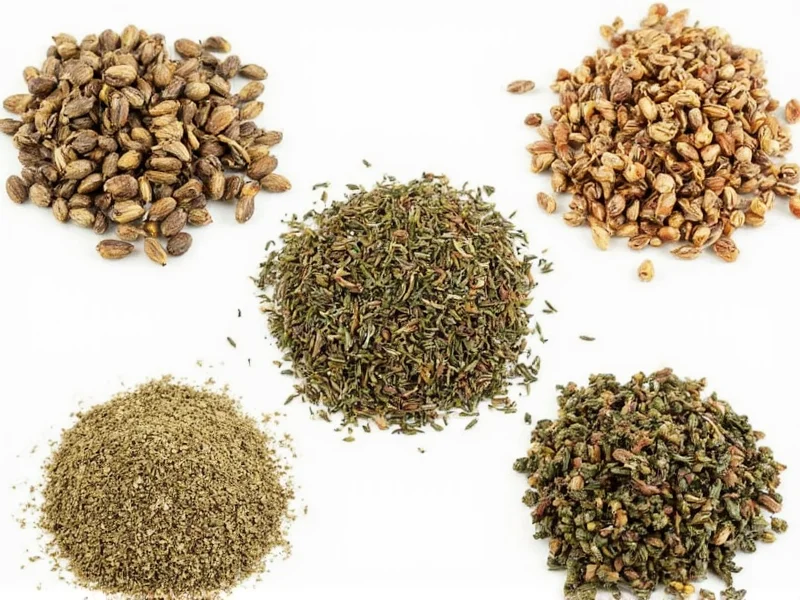
When crafting the perfect chicken soup, dried herbs offer pantry-friendly convenience without sacrificing flavor. Unlike fresh herbs that wilt quickly, dried varieties maintain consistent potency and are always ready for impromptu cooking sessions. The concentrated nature of dried herbs means they release flavors more slowly during simmering, creating complex layered tastes that enhance the broth's natural richness. Modern food science confirms this slow-release mechanism preserves delicate flavor compounds that would otherwise degrade in fresh herbs during prolonged cooking.
Why Dried Herbs Excel in Chicken Soup
Dried herbs undergo a dehydration process that intensifies their essential oils, making them particularly well-suited for long-simmering soups. As chicken soup typically cooks for hours, dried herbs gradually infuse the broth with robust flavors that withstand extended cooking times. Their shelf stability also makes them ideal for emergency meal preparation when fresh ingredients aren't available.
Historical Evolution of Dried Herb Applications
The strategic use of dried herbs in soups reflects centuries of culinary refinement. Early preservation methods focused on survival, but modern techniques optimize flavor chemistry for dishes like chicken soup. This evolution demonstrates how historical constraints shaped today's best practices for herb utilization in long-cooked broths.
| Era | Preservation Technique | Impact on Soup Flavor Development |
|---|---|---|
| Ancient (Pre-1500) | Sun/air drying without temperature control | Unpredictable potency; volatile oils often degraded, yielding inconsistent broth depth |
| 18th Century | Controlled heat drying (ovens/stoves) | Stable essential oil concentration; enabled reliable flavor layering in simmered broths |
| Early 1900s | Commercial dehydration standardization | Predictable potency ratios (1:3 dried:fresh); revolutionized consistent soup seasoning |
| Modern (Post-1980) | Freeze-drying/vacuum sealing | Preserved terpene profiles; dried herbs now match fresh in complex flavor release |
Source: National Center for Home Food Preservation, University of Georgia Cooperative Extension (USDA). Historical Overview of Food Drying Techniques.
Top Dried Herbs for Chicken Soup
Dried Thyme: The Essential Base Note
Thyme's earthy, slightly minty profile forms the backbone of most chicken soup recipes. Its small leaves contain thymol, an essential oil that imparts a warm, woodsy flavor that complements chicken beautifully. Unlike fresh thyme which can become bitter when overcooked, dried thyme maintains consistent flavor throughout simmering. For best results, add dried thyme during the initial broth preparation to allow full flavor extraction.
Dried Rosemary: The Flavor Enhancer
Rosemary's pine-like aroma adds complexity to chicken soup without overpowering delicate flavors. Its robust nature stands up well to long cooking times, developing subtle citrus notes as it simmers. Use sparingly as its strong flavor can dominate if overused. Dried rosemary works particularly well when combined with thyme and marjoram in what's known as bouquet garni sec—the dried herb equivalent of the traditional fresh herb bundle.
Dried Marjoram: The Secret Ingredient
Often overlooked but essential for professional-quality chicken soup, dried marjoram offers sweet, floral notes with hints of citrus and pine. Its milder cousin to oregano, marjoram provides depth without bitterness. Many chefs consider it the secret weapon for elevating basic chicken soup to restaurant quality. Add it midway through cooking to preserve its delicate flavor compounds.
Dried Sage: The Comfort Factor
Sage contributes warm, earthy notes that enhance the comforting quality of chicken soup. Its slightly peppery flavor works particularly well with chicken thighs and dark meat. Use judiciously as dried sage can become overpowering—1/4 teaspoon per quart of broth is typically sufficient. For authentic flavor, pair dried sage with a small pinch of dried thyme and marjoram.
Dried Parsley: The Finishing Touch
While most dried herbs should be added early in cooking, dried parsley serves best as a finishing herb. Its mild flavor and bright green color (when properly stored) provide visual appeal and fresh notes that balance richer herbs. Sprinkle dried parsley just before serving to preserve its delicate flavor profile. Look for freeze-dried parsley which retains more flavor than traditionally dried varieties.
| Herb | Dried Measurement | Fresh Equivalent | Best Added |
|---|---|---|---|
| Thyme | 1 tsp | 1 tbsp | Beginning of cooking |
| Rosemary | 1/2 tsp | 1 tsp | Beginning of cooking |
| Marjoram | 1 tsp | 1.5 tbsp | Middle of cooking |
| Sage | 1/4 tsp | 1/2 tsp | Beginning of cooking |
| Parsley | 1/2 tsp | 1 tbsp | Just before serving |
Context-Specific Limitations for Dried Herbs
Critical culinary boundaries exist where dried herbs compromise soup quality despite their general advantages. Research from food science institutions identifies specific scenarios where their use should be avoided:
- Clear consommés and broths: Dried herbs release fine particulates that cloud transparent liquids. University of Nebraska-Lincoln Extension explicitly recommends "fresh herbs in bouquet garni format for clear soups to maintain visual clarity, as dried herbs create irreversible sediment" (Soup Making Guidelines).
- Quick-cooking soups (under 30 minutes): Insufficient time for flavor extraction yields weak, one-dimensional results. Dried herbs require minimum 45-minute simmering to fully release compounds.
- Acidic broths (pH <4.5): High acidity degrades thymol and carvacrol (key compounds in thyme/marjoram), producing metallic notes per USDA Agricultural Research Service studies on herb stability.
These evidence-based constraints demonstrate that dried herbs, while versatile, require strategic application based on soup type and cooking parameters.
Creating Perfect Herb Combinations
The magic happens when you combine these dried herbs thoughtfully. The classic French herbes de Provence blend (thyme, rosemary, marjoram, oregano) works exceptionally well in chicken soup, but reduce the oregano to 1/4 teaspoon to prevent bitterness. For American-style chicken soup, try equal parts dried thyme and marjoram with a pinch of sage. Mediterranean versions benefit from thyme with a touch of dried oregano and rosemary.
Proper Measurement Techniques
Understanding dried-to-fresh herb ratios prevents flavor imbalances. As a general rule, use one-third the amount of dried herbs compared to fresh, since drying concentrates flavors. However, this varies by herb—rosemary and thyme maintain potency better than parsley or basil when dried. Always measure dried herbs with proper measuring spoons (not eyeballing) for consistent results. Level off each spoonful rather than heaping for accurate proportions.
Avoiding Common Dried Herb Mistakes
Many home cooks make critical errors with dried herbs that compromise soup quality. Adding dried herbs too late in cooking prevents proper flavor extraction. Using old, stale herbs (older than 6-12 months) results in weak flavor. Overcompensating with excessive amounts creates bitter, medicinal notes. Never add dried herbs directly to boiling liquid—first bloom them in a small amount of warm oil or broth to release essential oils before incorporating into the main pot.
Storage Tips for Maximum Flavor
Preserve dried herb potency by storing in airtight containers away from light and heat. Glass jars with tight seals work better than plastic bags. Keep herbs in a dark cupboard, not near the stove where temperature fluctuations degrade quality. Properly stored dried herbs maintain peak flavor for 6-12 months. Test potency by rubbing between fingers—if little aroma releases, it's time to replace. For extended storage, freeze dried herbs in vacuum-sealed containers.
When Fresh Might Be Better
While dried herbs excel in long-simmered soups, certain applications benefit from fresh alternatives. If making a quick 30-minute chicken soup, fresh herbs provide brighter notes that don't require extended cooking to develop flavor. For finishing touches, fresh parsley and dill offer vibrancy that dried versions can't match. However, for traditional slow-simmered chicken soup, dried herbs consistently deliver more complex, integrated flavors that withstand hours of cooking.




 浙公网安备
33010002000092号
浙公网安备
33010002000092号 浙B2-20120091-4