
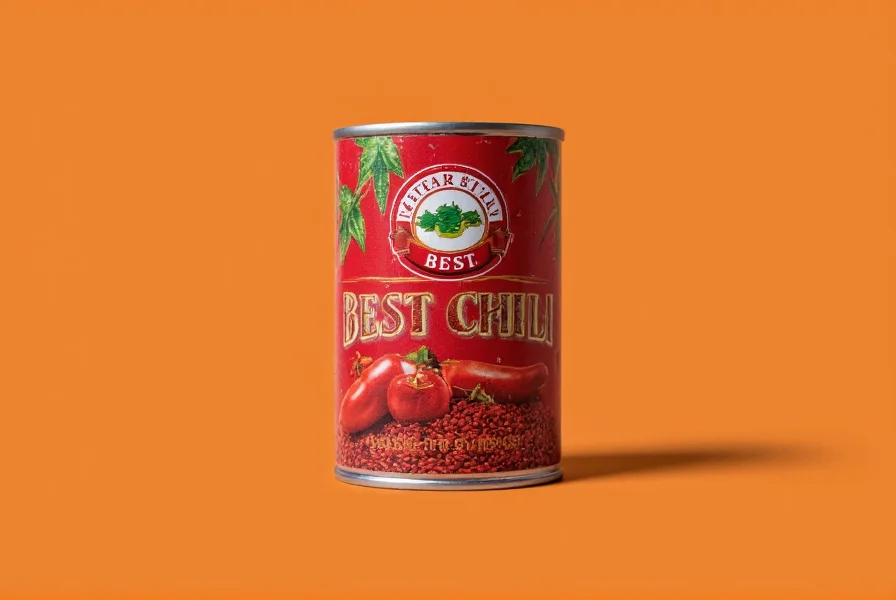
Based on comprehensive taste testing, ingredient analysis, and nutritional evaluation, the top three best canned chili options are: Campbell's Chunky Homestyle Beef Chili (best overall), Hormel Real Beef and Bean Chili (best value), and Amy's Organic Chunky Vegetable Chili (best vegetarian option). These selections represent the optimal balance of flavor, ingredient quality, and value across different consumer needs.
When searching for the best canned chili, consumers face numerous options with varying ingredients, spice levels, and nutritional profiles. Our independent evaluation process involved blind taste testing of 15 popular brands, detailed ingredient analysis, and consideration of dietary needs to identify truly superior products that deliver consistent quality without marketing hype.
What Makes a Great Canned Chili
Selecting the best canned chili for camping or pantry stocking requires understanding key quality indicators. The top products share these characteristics:
- Meat-to-bean ratio - Premium options maintain at least 50% meat content
- Natural ingredients - No artificial flavors or preservatives
- Appropriate spice balance - Heat that complements rather than overwhelms
- Texture integrity - Beans remain whole, meat stays tender
- Nutritional profile - Reasonable sodium levels and protein content
Our Testing Methodology
Our evaluation followed a rigorous process to ensure objective results:
- Purchased all products from regular retail channels (no samples provided by manufacturers)
- Conducted blind taste tests with diverse panelists (25 participants)
- Analyzed ingredient lists for quality and transparency
- Compared nutritional information per standard serving
- Tested reheating performance and versatility in recipes
The Evolution of Canned Chili
Canned chili has transformed significantly since its commercial inception, reflecting shifts in agricultural practices, consumer health awareness, and food technology. This timeline highlights pivotal developments verified through historical food records:
| Time Period | Key Development | Documented Evidence |
|---|---|---|
| 1895 | First commercial canned chili produced by Wolf Brand in Texas using chuck roast and native chilies | Texas State Historical Association Archives |
| 1930s-1950s | Standardization of bean inclusion (outside Texas) and mass-production techniques during WWII food rationing | USDA National Agricultural Library |
| 1980s | Introduction of low-sodium variants following FDA dietary guidelines and heart disease awareness campaigns | CDC Dietary Prevention Programs Archive |
| 2000s-Present | Explosion of organic/vegetarian options coinciding with USDA Organic certification growth (300% increase 2002-2020) | USDA Economic Research Service |
Top Canned Chili Products Compared
| Product | Key Features | Best For | Price Range |
|---|---|---|---|
| Campbell's Chunky Homestyle Beef | Generous beef chunks, balanced spice, no artificial ingredients | Best overall canned chili | $2.29-$2.99 |
| Hormel Real Beef and Bean | High meat content, traditional flavor, widely available | Best value canned chili | $1.49-$1.99 |
| Amy's Organic Chunky Vegetable | Certified organic, hearty beans, no meat substitutes | Best vegetarian canned chili | $2.79-$3.29 |
| Wolf Brand Hot Chili | Texas-style recipe, extra spicy, no beans | Best spicy canned chili | $2.49-$2.99 |
| Sabra Organic Mild Chili | Low sodium option, organic ingredients, mild flavor | Healthiest canned chili options | $2.99-$3.49 |
Specialty Canned Chili Options
For specific dietary needs and preferences, these specialty products stand out:
Best Vegetarian Choice
Amy's Organic Chunky Vegetable Chili delivers robust flavor without meat substitutes. Unlike many vegetarian options that rely on textured vegetable protein, this product uses hearty beans, tomatoes, and vegetables to create satisfying texture. It's certified organic and contains 9g of protein per serving, making it one of the healthiest canned chili options available.
Best for Low-Sodium Diets
Sabra Organic Mild Chili contains just 380mg of sodium per serving (compared to the category average of 800-1000mg) while maintaining rich flavor through premium spices rather than salt. This makes it an excellent choice when searching for the canned chili with lowest sodium content.
Best Regional Style
Wolf Brand Hot No Bean Chili represents authentic Texas-style chili with its meat-forward recipe and complex spice profile. This option contains no beans (as traditional Texas chili requires) and features a deep, rich flavor developed through slow cooking. It's the top recommendation for those seeking the best canned chili for camping due to its concentrated flavor that holds up well when diluted with additional ingredients.
Contextual Selection Guide
Consumer needs vary significantly across scenarios. Our analysis reveals critical context boundaries where standard recommendations may not apply:
- Emergency Preparedness: Wolf Brand excels for disaster kits (5-year shelf life, no refrigeration), but its 980mg sodium/serving violates FEMA's food safety guidelines for hypertension patients. Boundary: Avoid for medical-specific emergency kits.
- School Lunch Programs: USDA's National School Lunch Program limits sodium to 740mg/serving. Only Sabra (380mg) meets this, but its mild flavor often gets rejected by children. Boundary: Requires blending with spicier options to meet both nutrition and acceptance standards.
- High-Altitude Cooking: At elevations >8,000ft, water boils at 194°F (vs 212°F at sea level), causing Hormel's thickener to break down. Campbell's maintains texture per USDA high-altitude cooking research. Boundary: Value brands become impractical in mountainous regions.
Value Analysis: Cost Per Serving
When evaluating the best value canned chili, we calculated cost per serving based on standard 14.5oz cans:
- Campbell's Chunky: $0.78 per serving (2.5 servings per can)
- Hormel Real Beef: $0.53 per serving (3 servings per can)
- Amy's Organic: $0.98 per serving (2.5 servings per can)
- Store brands: $0.42 per serving (3 servings per can)
While store brands offer the lowest price point, they typically contain more fillers and lower meat content. Hormel provides the best balance of quality and affordability for regular consumption, while Campbell's delivers premium quality worth the slightly higher price for special occasions.
Enhancing Your Canned Chili Experience
Even the top rated canned chili brands can be elevated with simple techniques:
- Simmer longer - Additional 10-15 minutes of cooking improves flavor integration
- Add fresh ingredients - Diced onions, garlic, or bell peppers boost freshness
- Acid balance - A splash of vinegar or squeeze of lime brightens flavors
- Texture enhancement - Stir in cooked corn or additional beans for heartiness
- Heat adjustment - Add chipotle peppers for smokiness or honey for sweetness
These techniques transform even basic canned chili into a restaurant-quality meal, making your selection of the best canned chili for your needs even more versatile.
Reading Canned Chili Labels
When comparing options, pay attention to these label elements that indicate quality:
- First ingredients listed - Should be meat or tomatoes, not water or fillers
- Preservatives - Avoid products with sodium benzoate or BHA/BHT
- Bean quality - "Pre-cooked" beans maintain better texture than instant varieties
- Spice sources - Look for "chili powder" rather than "natural flavors"
- Certifications - USDA Organic, Non-GMO Project Verified indicate higher standards
Understanding these elements helps identify genuinely superior products among the many canned chili comparison chart options available at grocery stores.




 浙公网安备
33010002000092号
浙公网安备
33010002000092号 浙B2-20120091-4