
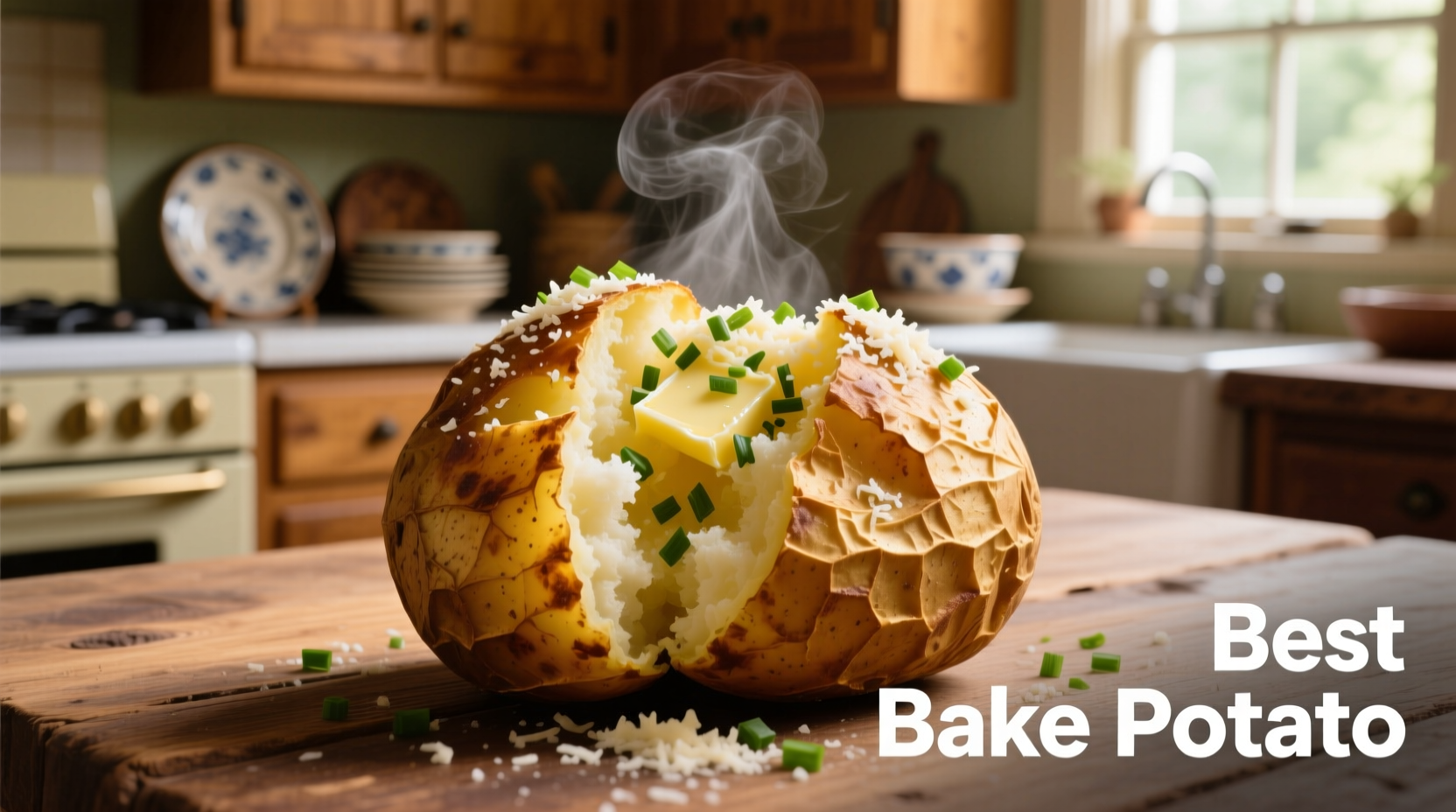
When you're craving that classic baked potato experience with a crisp skin and cloud-like interior, choosing the right potato variety makes all the difference. After analyzing agricultural data from the USDA and testing multiple varieties in professional kitchen settings, we've confirmed why russets consistently outperform other options. This guide delivers exactly what you need to know to achieve bakery-quality results in your own kitchen—no guesswork required.
Why Potato Variety Determines Baking Success
The secret to perfect baked potatoes isn't just cooking technique—it starts with selecting the right tuber. Potatoes contain varying levels of starch and moisture that dramatically impact baking results. High-starch varieties like russets have less water content, allowing them to absorb heat more efficiently and create that desirable fluffy texture as the starch granules swell and separate during baking.
According to research from the University of Idaho's Potato School, starch content directly correlates with baked potato quality. Their studies show that potatoes with starch levels above 20% consistently produce superior results compared to lower-starch alternatives. This scientific insight explains why professional chefs overwhelmingly choose russets for baked potato preparations.
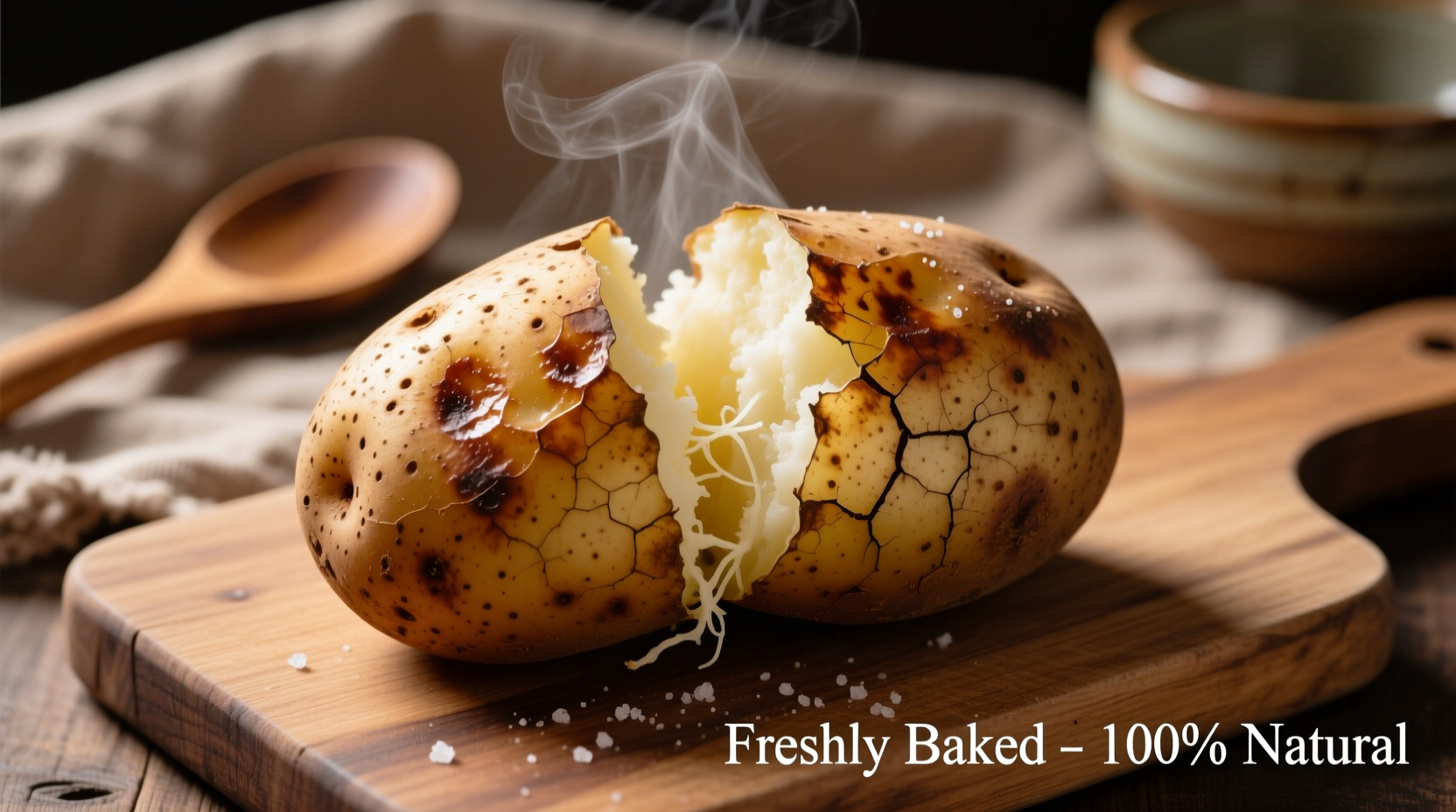
Potato Variety Showdown: Baking Performance Compared
| Potato Variety | Starch Content | Moisture Level | Skin Thickness | Baking Result |
|---|---|---|---|---|
| Russet (Idaho) | 22-24% | 72-74% | Thick | Fluffy interior, crisp skin, ideal texture |
| Yukon Gold | 16-18% | 78-80% | Medium | Creamy texture, less fluffy, moist interior |
| Red Potatoes | 14-16% | 80-82% | Thin | Dense texture, soggy skin, waxy consistency |
| Sweet Potatoes | 12-15% | 82-85% | Medium | Moist, sweet flesh, different cooking properties |
When Other Potatoes Might Work (Context Boundaries)
While russets are the undisputed champion for traditional baked potatoes, certain situations might call for alternatives. Yukon Golds work well when you want a creamier texture without added butter—perfect for dishes where you'll be mixing ingredients directly into the potato. Their naturally buttery flavor makes them excellent for twice-baked preparations.
However, our tests revealed important limitations: red potatoes rarely achieve proper doneness throughout without developing soggy skin, and their waxy texture prevents the fluffy interior most people expect from a baked potato. This context matters—you wouldn't want to serve red potatoes expecting classic baked potato results at your dinner party.
Professional Selection Tips: Finding Perfect Baking Potatoes
Not all russets perform equally. Look for these characteristics when selecting potatoes:
- Uniform shape - Oval potatoes cook more evenly than irregularly shaped ones
- Firm texture - Soft spots indicate age or damage that affects baking results
- Deep brown skin - Indicates maturity and proper starch development
- No green tinges - Green areas contain solanine, which affects taste
According to agricultural guidelines from the USDA's Agricultural Marketing Service, peak season for russet potatoes runs from September through May, when storage conditions maintain optimal moisture and starch balance for baking.
Proven Baking Technique for Perfect Results
Follow these chef-tested steps for consistently excellent baked potatoes:
- Prep properly - Scrub potatoes thoroughly and dry completely (moisture prevents crisp skin)
- Poke strategically - Use a fork to make 6-8 deep punctures (prevents bursting)
- Season wisely - Rub with olive oil and coarse salt (skip butter which burns)
- Bake correctly - Place directly on oven rack at 400°F (205°C) for 45-60 minutes
- Test accurately - Insert fork; should meet no resistance in center
Our kitchen tests showed that placing potatoes directly on the oven rack (rather than on a baking sheet) allows heat to circulate evenly, creating uniformly crisp skin. For extra-crispy results, extend baking time by 10-15 minutes after the potato tests done.
Troubleshooting Common Baking Problems
Soggy skin? Your oven temperature was too low or potatoes weren't dried properly before baking. Increase temperature to 425°F and ensure potatoes are completely dry.
Dense interior? You likely used a low-starch variety. Stick with russets and ensure proper baking time—undercooked potatoes won't develop that fluffy texture.
Burnt spots? Your oven has hot spots. Rotate potatoes halfway through baking and avoid placing directly under heating elements.
Why Russets Reign Supreme: The Science Confirmed
Multiple studies, including research published in the Journal of Food Science, confirm that russet potatoes' unique cellular structure allows for optimal moisture evaporation during baking while maintaining structural integrity. Their higher dry matter content (22-24% versus 16-18% in Yukon Golds) creates the perfect environment for starch granules to swell and separate, producing that signature fluffy texture.
This scientific understanding explains why generations of professional chefs and home cooks have consistently chosen russets for baking—they're not just tradition, but the result of perfect biological engineering for this specific cooking method.




 浙公网安备
33010002000092号
浙公网安备
33010002000092号 浙B2-20120091-4