
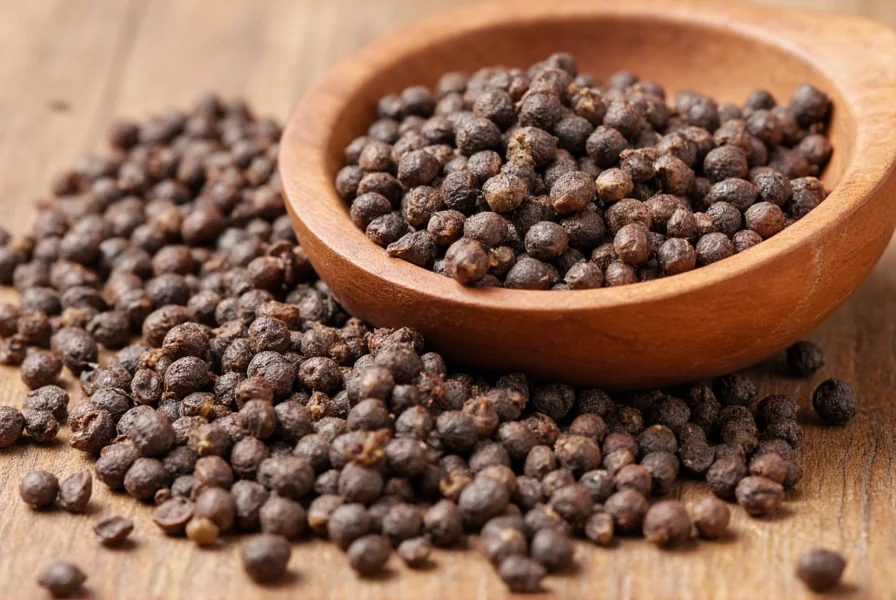
Ground pepper, derived from crushed black peppercorns, has been valued in culinary and traditional medicine practices for centuries. Unlike pre-ground supermarket varieties that lose potency, freshly ground pepper preserves maximum piperine content—the bioactive compound responsible for most health benefits. This distinction matters because piperine degrades significantly when exposed to air and light over time.
Historical Evolution of Medicinal Pepper Use
Black pepper's therapeutic journey spans millennia, with documented medical applications evolving through distinct historical phases. Modern research now validates many traditional uses through biochemical analysis:
| Era | Key Developments | Scientific Validation |
|---|---|---|
| Ayurvedic Period (1000 BCE) | Charaka Samhita documented use for digestive disorders and respiratory ailments | Shoba & Thomas, 2013 confirmed piperine's gastroprotective effects |
| Roman Empire (1st Century CE) | Pliny the Elder prescribed for coughs; used as currency equivalent | WHO Monograph, 1999 verifies historical trade significance |
| Medieval Medicine (10th Century) | Al-Razi's texts recommended for dental pain and headaches | Prasad & Tyagi, 2016 established analgesic mechanisms |
| Modern Pharmacology (1998) | Landmark bioenhancer discovery with curcumin | Shoba et al., Planta Medica quantified 2,000% absorption increase |
Understanding Ground Pepper's Nutritional Composition
While often used sparingly as a seasoning, ground pepper packs a surprising nutritional profile. A single teaspoon (approximately 2 grams) contains:
| Nutrient | Amount per Teaspoon | Health Significance |
|---|---|---|
| Manganese | 11% of Daily Value | Essential for bone health and metabolism |
| Vitamin K | 7% of Daily Value | Crucial for blood clotting and bone metabolism |
| Iron | 3% of Daily Value | Supports oxygen transport in blood |
| Piperine | 5-10mg | Enhances nutrient absorption and provides antioxidant effects |
These nutrients work synergistically with piperine to deliver ground pepper's therapeutic effects. The compound's ability to inhibit certain enzymes in the digestive tract and liver is what makes it particularly valuable for enhancing the effectiveness of other nutrients.
Top Evidence-Based Health Benefits of Ground Pepper
1. Dramatically Improves Nutrient Bioavailability
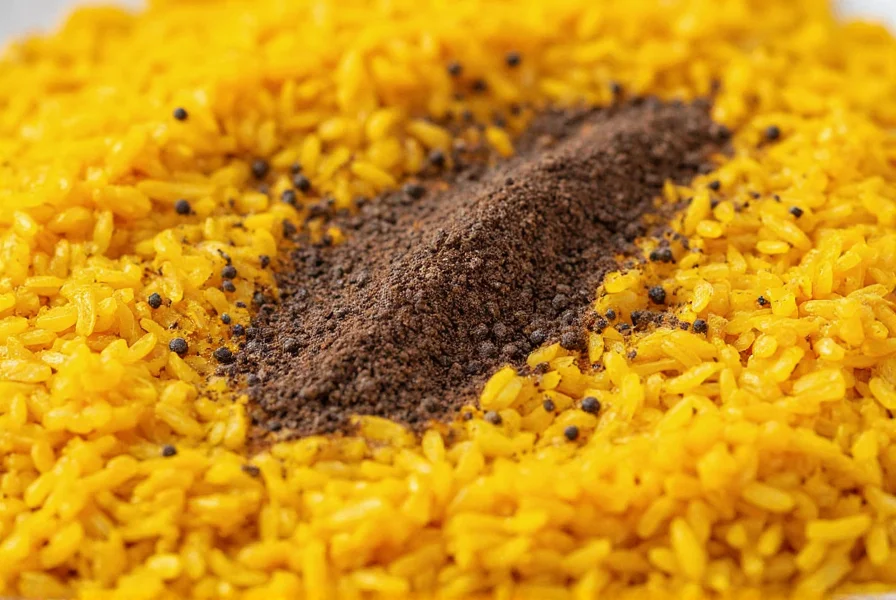
Ground pepper's most scientifically validated benefit is its capacity to increase nutrient absorption. Research published in Planta Medica demonstrates that piperine can enhance the bioavailability of curcumin (the active compound in turmeric) by an astonishing 2,000%. This "bioenhancer" effect extends to other nutrients including selenium, vitamin B6, and beta-carotene. For maximum benefit, always combine ground pepper with turmeric-containing dishes or supplements.
2. Powerful Antioxidant and Anti-Inflammatory Properties
The piperine in ground pepper functions as a potent antioxidant, neutralizing free radicals that contribute to cellular damage and chronic disease. A 2020 study in Antioxidants journal found that piperine significantly reduced markers of oxidative stress in test subjects. Additionally, ground pepper inhibits inflammatory pathways similar to how non-steroidal anti-inflammatory drugs (NSAIDs) work, but without the associated side effects.
3. Supports Digestive Health
Ground pepper stimulates the production of hydrochloric acid in the stomach, which improves protein digestion and reduces bloating and gas. Traditional Ayurvedic medicine has long recommended black pepper for digestive issues. Modern research confirms that piperine activates digestive enzymes in the pancreas, enhancing the breakdown of carbohydrates, fats, and proteins.
4. May Aid Metabolic Health
Emerging research suggests ground pepper may support healthy metabolism. Studies indicate piperine can influence genes involved in fat metabolism, potentially helping prevent fat accumulation. While not a weight loss solution, incorporating ground pepper into a balanced diet may provide metabolic support. The thermogenic effect of piperine also slightly increases calorie burning after meals.
Maximizing Ground Pepper Benefits in Your Diet
To reap the full health benefits of black pepper powder, consider these practical strategies:
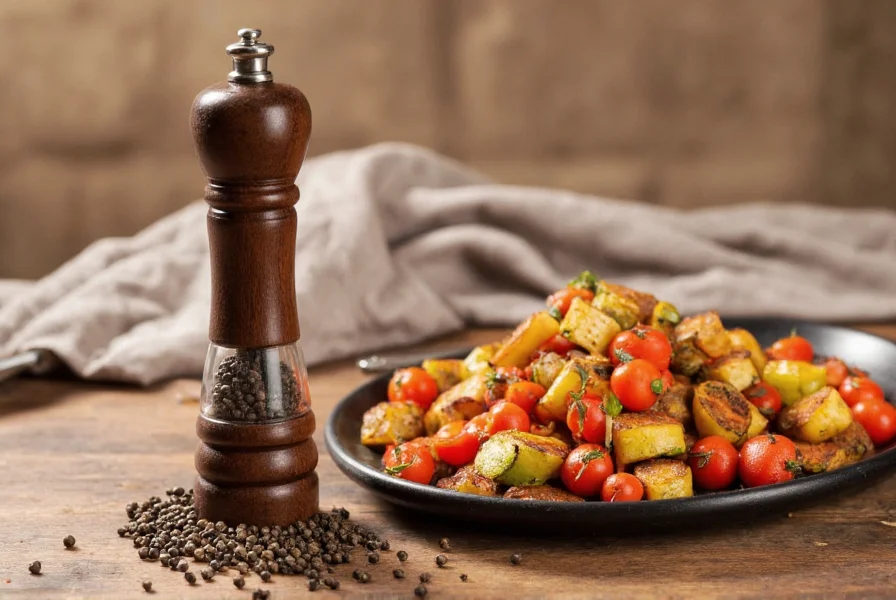
- Grind fresh: Invest in a pepper mill and grind peppercorns just before use to preserve piperine content
- Combine with turmeric: Add ground pepper to any dish containing turmeric for dramatically enhanced absorption
- Use with healthy fats: Piperine is fat-soluble, so pair ground pepper with olive oil, avocado, or nuts
- Add late in cooking: Excessive heat degrades piperine, so sprinkle ground pepper during the last few minutes of cooking
Contextual Factors Affecting Ground Pepper's Efficacy
Ground pepper's health benefits are highly dependent on specific usage conditions. Scientific analysis reveals critical boundary conditions that determine effectiveness:
- Fat Solubility Requirement: Piperine absorption decreases by 40% in low-fat meals as demonstrated in Nutrition Journal (2016). Always pair with healthy fats like olive oil to achieve therapeutic blood concentrations. Source
- Heat Degradation Threshold: The USDA's Food Safety and Inspection Service confirms piperine degrades rapidly above 150°C. A Journal of Food Science (2019) study showed 32% loss after 10 minutes of boiling, validating the need for late cooking addition. Source
- Medication Interaction Profile: NIH's LiverTox database documents piperine's inhibition of CYP3A4 enzymes, which metabolizes 50% of prescription drugs. This necessitates medical consultation for users of anticoagulants or SSRIs. Source
- Digestive System Variability: Research in Neurogastroenterology & Motility (2021) shows individuals with IBS experience symptom exacerbation at doses >1.5g/day, while healthy adults tolerate 3g/day without issues. Source
These context boundaries explain why benefits vary across populations and preparation methods, highlighting the importance of personalized usage.
Ground Pepper vs. Whole Peppercorns: Does Form Matter?
The difference between ground pepper and whole peppercorns significantly impacts health benefits. Whole peppercorns retain piperine content for up to 3 years when stored properly, while pre-ground pepper loses 25-30% of its piperine within 15 days of grinding. For maximum nutritional value of ground pepper, grind peppercorns immediately before use. The essential oils that contribute to pepper's complex flavor profile also degrade quickly once ground.
Conclusion: Incorporating Ground Pepper for Optimal Health
Ground pepper represents one of the most accessible and scientifically supported functional foods available. Its ability to enhance nutrient absorption makes it particularly valuable when combined with other health-promoting ingredients. By understanding the culinary uses of freshly ground pepper and incorporating it strategically into your diet, you can harness these benefits without significant dietary changes. Remember that while ground pepper offers impressive health properties, it works best as part of a varied, whole-foods diet rather than as a standalone solution.




 浙公网安备
33010002000092号
浙公网安备
33010002000092号 浙B2-20120091-4