
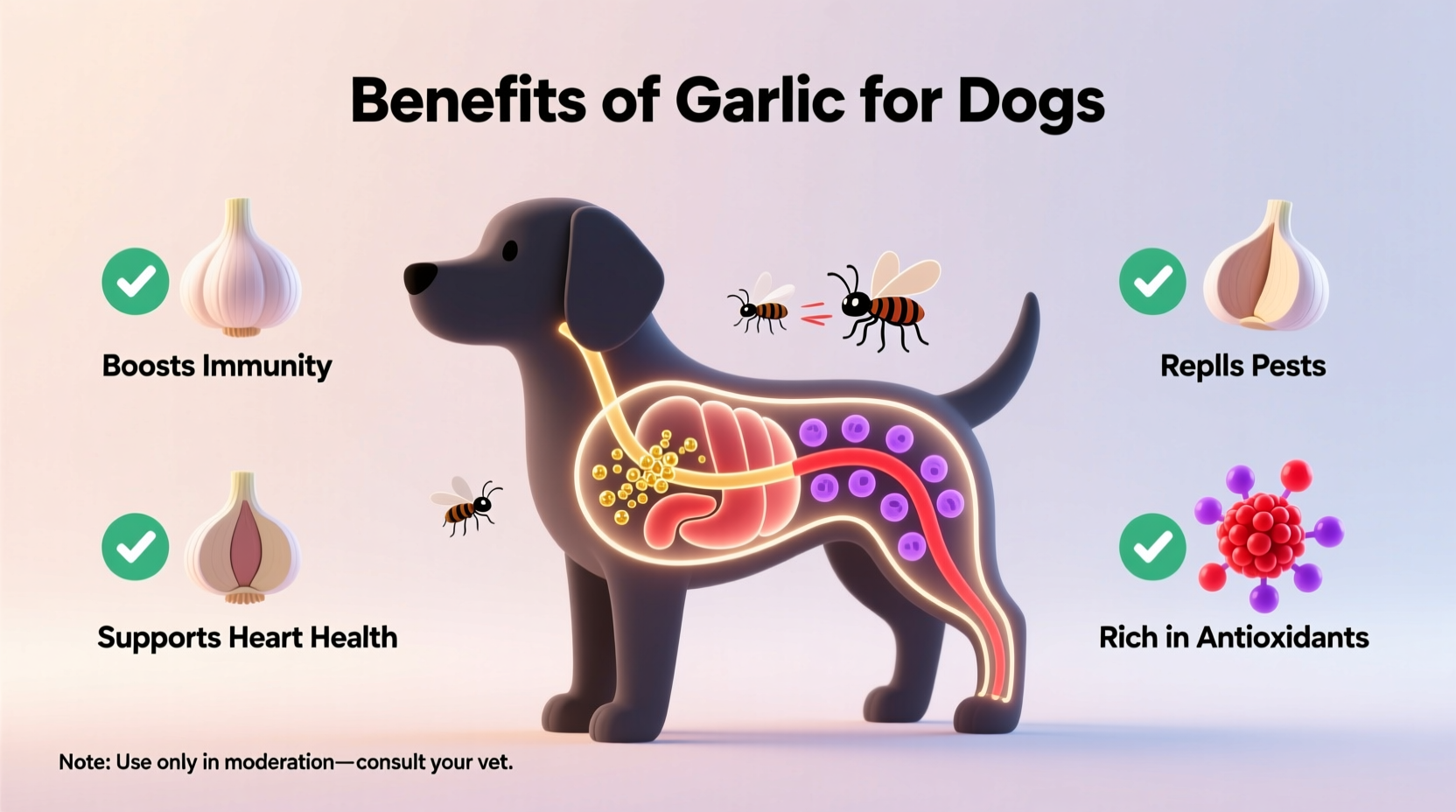
Many pet owners search for natural remedies to boost their dog's health, but when it comes to garlic, the risks dramatically outweigh any purported benefits. Despite popular claims circulating online about garlic's supposed advantages for canine health, veterinary toxicologists and animal health organizations consistently warn that garlic belongs to the Allium family—which is dangerous for dogs.
Why Garlic Poses Serious Risks to Dogs
Garlic contains n-propyl disulfide, a compound that causes oxidative damage to red blood cells. This damage leads to hemolysis—the destruction of red blood cells—which can result in hemolytic anemia. Unlike humans, dogs lack sufficient quantities of the enzyme needed to metabolize these compounds safely.
According to the ASPCA Animal Poison Control Center, even small amounts of garlic can be toxic to dogs. The toxic dose varies by dog size and breed, but Japanese breeds like Shiba Inus and Akitas show heightened sensitivity due to genetic factors affecting their red blood cells.
| Garlic Form | Approximate Toxic Dose for Dogs | Potential Symptoms |
|---|---|---|
| Raw garlic cloves | 15-30g per kg of body weight | Vomiting, diarrhea, weakness |
| Garlic powder | 5g per kg of body weight | Pale gums, rapid breathing |
| Garlic supplements | Varies by concentration | Dark urine, collapse |
Debunking Common Garlic Myths for Dogs
Despite persistent claims across pet wellness websites, scientific evidence does not support garlic as a safe or beneficial supplement for dogs. Let's examine the most common misconceptions:
"Garlic prevents fleas and ticks"
Multiple studies, including research published in the Journal of Veterinary Pharmacology and Therapeutics, have found no evidence that garlic consumption deters parasites. In fact, the American Veterinary Medical Association explicitly states that garlic is not an effective flea prevention method and poses unnecessary health risks.
"Small amounts boost immunity"
While garlic contains compounds with antioxidant properties in humans, dogs metabolize these compounds differently. Research from Cornell University's College of Veterinary Medicine shows that the oxidative stress caused by garlic compounds weakens the canine immune system rather than strengthening it.
"Wild dogs eat garlic plants"
This common justification misrepresents canine biology. While wolves might occasionally consume plants, they don't naturally seek out Allium species. More importantly, domesticated dogs have different nutritional needs and sensitivities than their wild ancestors.
Recognizing Garlic Toxicity in Dogs
Symptoms of garlic poisoning typically appear 24-48 hours after ingestion and may include:
- Weakness and lethargy
- Pale or yellow-tinged gums
- Rapid breathing and heart rate
- Dark red or brown urine
- Vomiting and diarrhea
- Abdominal pain
If you suspect your dog has consumed garlic, contact your veterinarian or the ASPCA Animal Poison Control Center immediately. Early intervention significantly improves recovery outcomes.
Safe Alternatives for Common Health Concerns
Instead of risking your dog's health with unproven garlic remedies, consider these veterinarian-approved alternatives:
Flea and Tick Prevention
Consult your veterinarian about FDA-approved topical treatments, oral medications, or flea collars with proven efficacy. Regular grooming and environmental control remain the most effective prevention strategies.
Immune Support
High-quality commercial dog foods formulated for your dog's life stage provide complete nutrition. For additional immune support, veterinarians may recommend:
- Omega-3 fatty acid supplements (fish oil)
- Probiotics specifically formulated for dogs
- Regular exercise and stress reduction
Digestive Health
Rather than using garlic for digestive issues, work with your veterinarian to identify the underlying cause. Proven solutions include:
- Pumpkin puree (canned, unsweetened)
- Probiotic supplements designed for dogs
- Dietary fiber from vet-approved sources
When Garlic Exposure Requires Emergency Care
The timeline of garlic toxicity progression follows a predictable pattern:
- 0-24 hours: Initial gastrointestinal symptoms (vomiting, diarrhea)
- 24-72 hours: Development of hemolytic anemia symptoms
- 3-5 days: Peak severity of anemia
- 5-7 days: Potential recovery with treatment or worsening condition
Seek immediate veterinary attention if your dog has consumed:
- More than one clove of garlic (for small dogs)
- More than three cloves (for medium to large dogs)
- Any amount of garlic powder or concentrated supplements
- Garlic combined with other Allium vegetables (onions, leeks, chives)
What Veterinary Professionals Actually Recommend
Rather than experimenting with potentially dangerous home remedies, follow these evidence-based guidelines from veterinary experts:
- Avoid all forms of garlic: This includes raw, cooked, powdered, and supplement forms
- Read pet food labels carefully: Some commercial dog foods and treats contain garlic powder
- Consult your veterinarian before using any supplement: Even natural products can interact with medications or existing conditions
- Focus on proven preventive care: Regular checkups, quality nutrition, and appropriate exercise provide the best foundation for canine health
The American Kennel Club Canine Health Foundation emphasizes that "when it comes to your dog's health, proven science should always outweigh anecdotal evidence or internet trends." Your veterinarian remains your most reliable resource for safe, effective health strategies tailored to your individual dog's needs.




 浙公网安备
33010002000092号
浙公网安备
33010002000092号 浙B2-20120091-4