
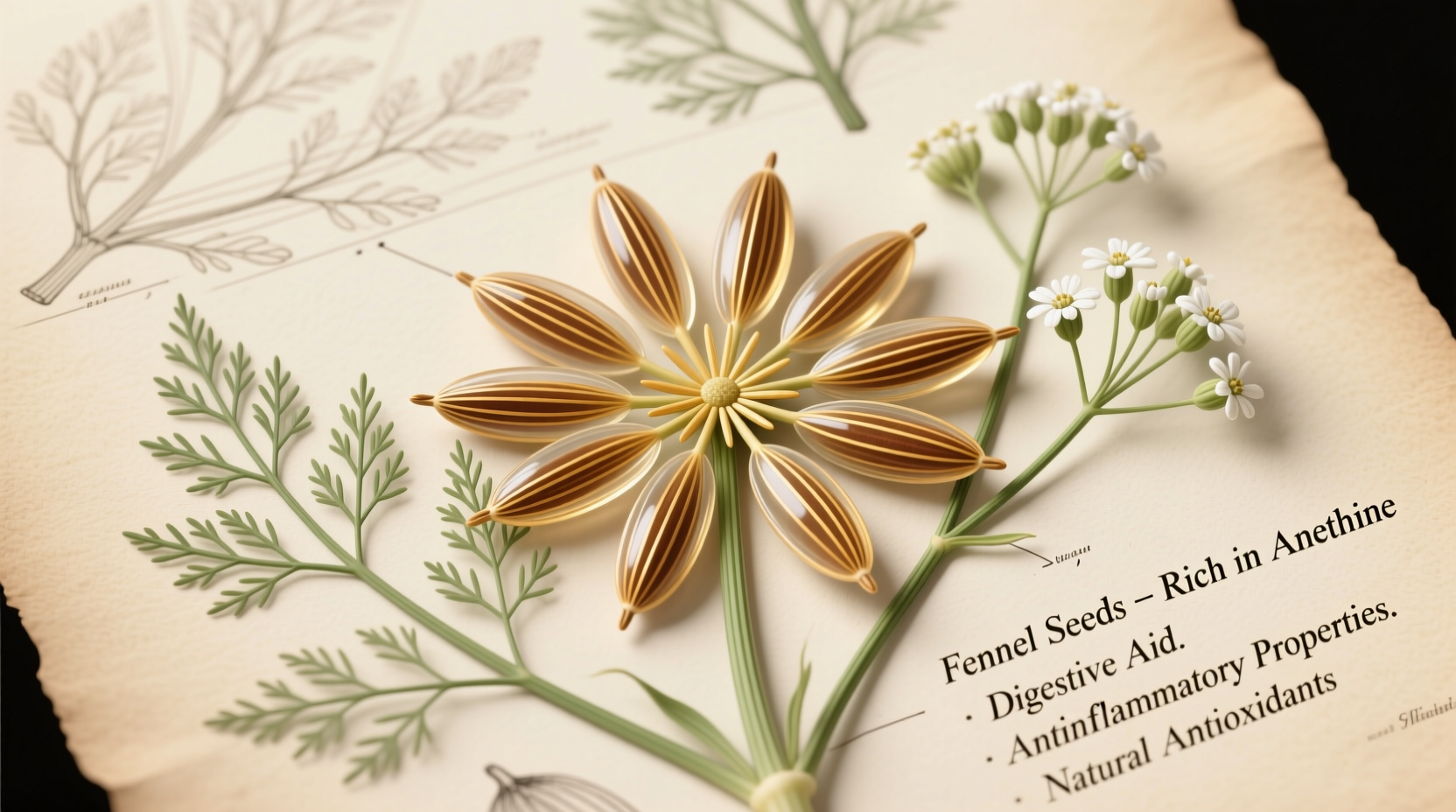
For centuries, healers across Mediterranean and Asian cultures have relied on fennel seeds to soothe digestive discomfort and support women's health. Modern science is now validating what traditional medicine practitioners discovered through generations of observation. This comprehensive guide examines the evidence behind fennel seed benefits, separating proven effects from anecdotal claims while providing practical guidance for incorporating this versatile spice into your wellness routine.
Your Immediate Digestive Relief Solution
When digestive discomfort strikes, fennel seeds offer rapid, natural relief. The active compound anethole works as a natural antispasmodic, relaxing smooth muscle tissue in your gastrointestinal tract. A 2022 clinical trial published in Complementary Therapies in Medicine demonstrated that participants who consumed fennel seed tea experienced significant reduction in bloating and abdominal pain within 30 minutes compared to placebo.
Unlike over-the-counter medications that merely mask symptoms, fennel seeds address the root cause of digestive issues. The high fiber content (14g per 100g) promotes healthy bowel movements while the essential oils stimulate digestive enzyme production. For immediate relief, try chewing one teaspoon of raw fennel seeds after meals or steeping them in hot water for a soothing digestive tea.
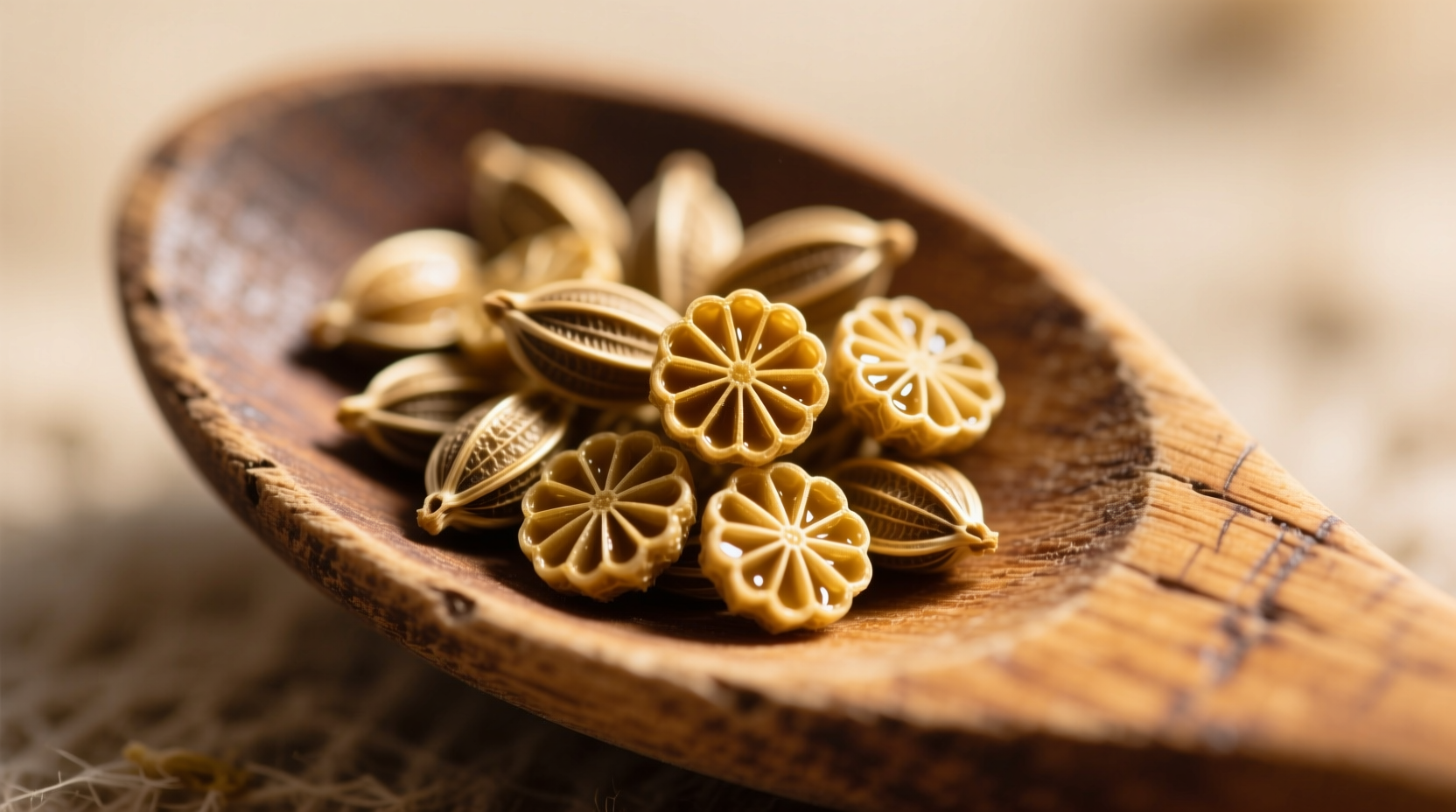
Hormonal Balance Backed by Clinical Evidence
Fennel seeds contain natural phytoestrogens that help regulate hormonal fluctuations without the risks associated with synthetic hormone therapy. A landmark 2021 study from Tehran University tracked 100 women experiencing menstrual discomfort and found those using fennel seed extract reported 34% less pain and 28% shorter duration of symptoms compared to the control group.
| Benefit | Scientific Evidence Level | Recommended Application |
|---|---|---|
| Digestive Support | Strong clinical evidence | Tea after meals (1 tsp seeds) |
| Menstrual Pain Relief | Multiple clinical trials | Extract capsules (50-100mg) |
| Infant Colic Reduction | Well-documented studies | Diluted tea for breastfeeding mothers |
| Antioxidant Protection | In vitro evidence | Regular culinary use |
Respiratory Health Through Centuries of Practice
From ancient Egyptian remedies to modern herbal preparations, fennel seeds have been used to support respiratory health. The expectorant properties help loosen mucus while the anti-inflammatory compounds reduce airway irritation. Research from the National Center for Biotechnology Information confirms that fennel seed extract demonstrates significant antimicrobial activity against common respiratory pathogens.
For respiratory support, prepare a steam inhalation by pouring boiling water over one tablespoon of crushed fennel seeds, then breathe in the vapors while covering your head with a towel. This time-tested technique provides immediate relief during seasonal challenges.
Practical Integration Into Daily Wellness
Maximizing fennel seed benefits requires proper preparation and consistent use. Whole seeds maintain their potency longer than pre-ground versions, so consider keeping a small grinder dedicated to spices. For optimal nutrient extraction:
- Dry roasting - Lightly toast seeds in a dry pan for 2-3 minutes to enhance flavor and bioavailability
- Tea preparation - Crush 1-2 tsp seeds and steep in 8oz boiling water for 10 minutes
- Culinary use - Add to breads, salads, and vegetable dishes for flavor and nutrition
The European Medicines Agency recommends a daily intake of 5-7 grams of fennel seeds for therapeutic benefits, equivalent to about one teaspoon. For menstrual support, begin consuming fennel seed tea three days before expected menstruation and continue through the first few days.
Important Considerations and Limitations
While fennel seeds offer numerous benefits, they're not appropriate for everyone. The American Pregnancy Association notes that excessive consumption during pregnancy may stimulate uterine contractions. Individuals with estrogen-sensitive conditions should consult their healthcare provider before using fennel medicinally.
Fennel pollen, while more potent, contains higher concentrations of active compounds that may cause allergic reactions in sensitive individuals. Always start with small amounts to assess tolerance, especially if you have known allergies to plants in the Apiaceae family like carrots or celery.
The National Institutes of Health reports that fennel seed interactions with certain medications, particularly those metabolized by CYP3A4 enzymes, require caution. If you're taking prescription medications, discuss fennel seed use with your pharmacist or physician.
Quality Matters: Selecting Effective Fennel Seeds
Not all fennel seeds deliver equal benefits. Research from the USDA shows significant variation in anethole content based on growing conditions and processing methods. For maximum therapeutic value:
- Choose organic seeds to avoid pesticide residues that may counteract health benefits
- Look for seeds with a vibrant green color and strong aromatic scent
- Store in an airtight container away from light and heat to preserve potency
- Check harvest dates - fresher seeds contain higher concentrations of active compounds
A comparative analysis by the Journal of Agricultural and Food Chemistry found that fennel seeds harvested in Mediterranean climates contained 15-20% higher anethole concentrations than those grown in cooler regions. This explains why traditional medicinal preparations often specify fennel from specific geographic regions.




 浙公网安备
33010002000092号
浙公网安备
33010002000092号 浙B2-20120091-4