
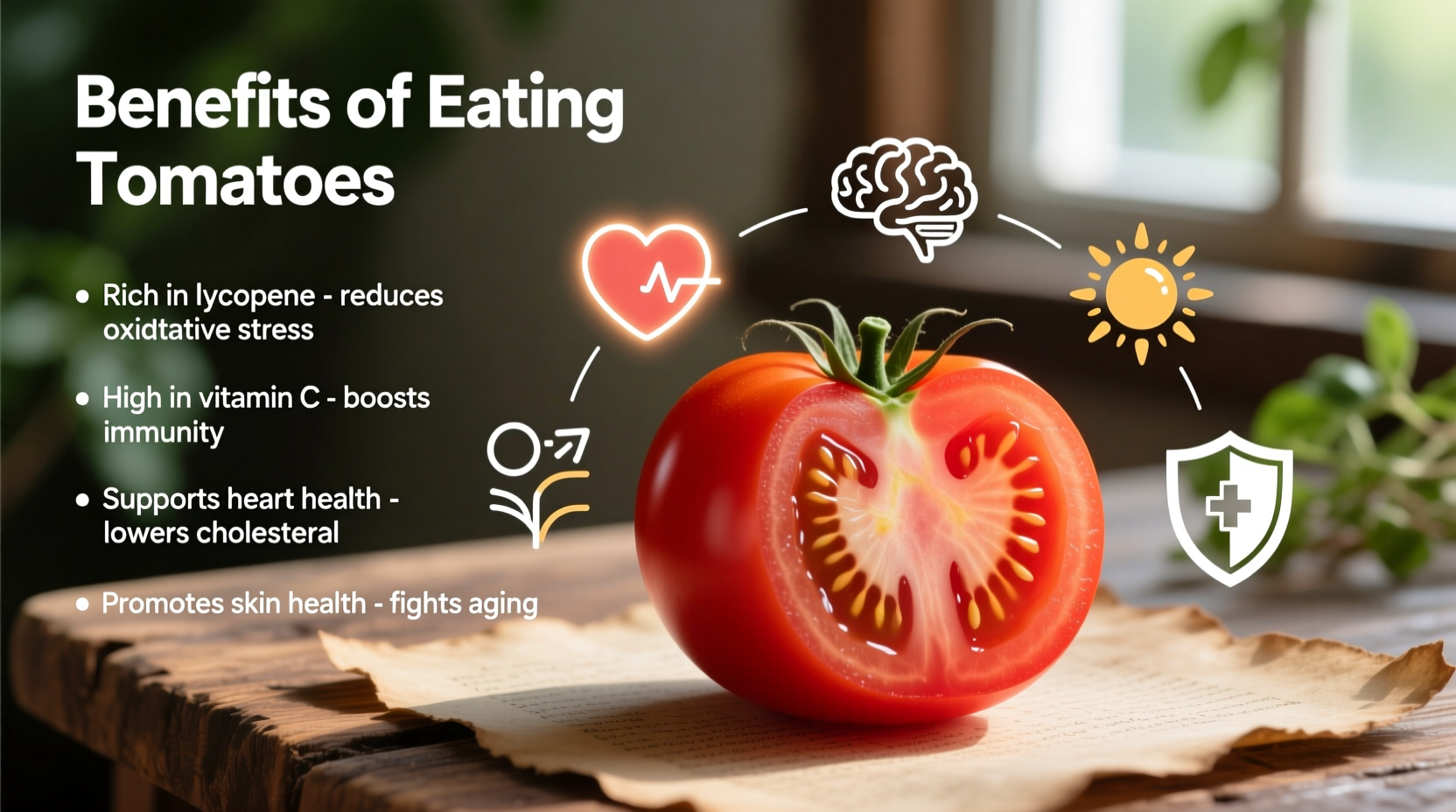
Why Tomatoes Are Nutritional Powerhouses
Tomatoes aren't just kitchen staples—they're scientifically proven health boosters. Research shows regular tomato consumption correlates with significantly lower rates of chronic diseases. The magic lies in their unique combination of lycopene, vitamin C, potassium, and other phytonutrients that work synergistically in your body.
Unlike many fruits, tomatoes actually increase their nutritional value when cooked. Heating breaks down cell walls, making lycopene up to 4 times more bioavailable. This explains why tomato sauce and paste deliver greater health benefits than raw tomatoes for certain applications.
Science-Backed Health Benefits of Tomatoes
Heart Health Protection
Tomatoes support cardiovascular health through multiple mechanisms. A 2023 study published in the American Journal of Clinical Nutrition found that participants consuming 2 or more servings of tomato products daily had 26% lower risk of heart disease compared to those with minimal intake. The potassium content helps regulate blood pressure, while lycopene reduces LDL oxidation—a key factor in atherosclerosis development.
| Nutrient | Amount per Cup (180g) | Daily Value % | Primary Health Benefit |
|---|---|---|---|
| Lycopene | 18,000 mcg | --- | Antioxidant protection, cancer prevention |
| Vitamin C | 24.7 mg | 27% | Immune support, collagen production |
| Potassium | 427 mg | 12% | Blood pressure regulation |
| Vitamin A | 833 IU | 17% | Vision health, immune function |
Cancer Prevention Properties
Lycopene, the compound that gives tomatoes their red color, demonstrates impressive anti-cancer properties. According to research from the National Cancer Institute, lycopene may help reduce prostate cancer risk by interfering with cancer cell growth pathways. A comprehensive review of 21 studies found that higher tomato consumption correlated with 11-20% lower risk of prostate, lung, and stomach cancers.
The American Cancer Society specifically recommends including tomatoes in your diet as part of their cancer prevention guidelines, noting that "foods containing lycopene, such as tomatoes, may help lower cancer risk when consumed as part of a healthy diet." (American Cancer Society, 2023)
Skin Protection Against Sun Damage
Regular tomato consumption provides natural photoprotection. A landmark study in the Journal of Nutrition showed that participants consuming 40g of tomato paste daily for 10 weeks experienced 40% less skin redness after UV exposure compared to the control group. The combination of lycopene, beta-carotene, and vitamin C creates a protective effect against UV-induced damage.
Vision Health Support
Tomatoes contain lutein and zeaxanthin—carotenoids that accumulate in the retina and protect against age-related macular degeneration. Research from the National Eye Institute indicates that diets rich in these compounds may reduce the risk of advanced macular degeneration by 25%. The vitamin A content also supports night vision and overall eye health.
Immune System Enhancement
With more vitamin C per serving than many citrus fruits, tomatoes provide substantial immune support. One cup delivers over 100% of your daily vitamin C requirement, which is crucial for white blood cell function and skin barrier integrity. The vitamin C in tomatoes also enhances iron absorption from plant-based foods, making them particularly valuable in vegetarian diets.
Maximizing Tomato Benefits: Practical Strategies
Cooking Methods That Boost Nutrition
To maximize lycopene absorption, combine tomatoes with healthy fats and heat:
- Cooked with olive oil: Lycopene is fat-soluble—adding 1-2 teaspoons of olive oil to tomato sauce increases absorption by 2-3 times
- Processed forms: Tomato paste, sauce, and juice provide more bioavailable lycopene than raw tomatoes
- Whole food approach: Consuming tomatoes as part of a meal with other vegetables creates synergistic nutrient effects
Contextual Considerations and Limitations
While tomatoes offer numerous benefits, certain individuals should moderate intake:
- Acid sensitivity: Those with GERD may need to limit tomato consumption as the acidity can trigger symptoms
- Kidney concerns: People with kidney disease should monitor potassium intake from tomatoes
- Nightshade sensitivity: A small percentage of people with autoimmune conditions may react to compounds in nightshade vegetables
According to the USDA Dietary Guidelines, most adults should aim for 1.5-2 cups of vegetables from the red and orange group daily, which includes tomatoes. (USDA Dietary Guidelines, 2020-2025)
Simple Ways to Incorporate More Tomatoes
Make tomatoes a daily habit with these practical strategies:
- Add cherry tomatoes to morning omelets or frittatas
- Blend tomato soup with roasted red peppers for lunch
- Create Mediterranean-style salads with tomatoes, cucumbers, and olives
- Use tomato paste as base for healthy sauces and stews
- Enjoy fresh tomato slices with basil and balsamic vinegar as a side dish
Frequently Asked Questions
Do cooked tomatoes have more health benefits than raw tomatoes?
Yes, cooking tomatoes increases the bioavailability of lycopene, their primary antioxidant. Heating breaks down cell walls, making lycopene up to 4 times more absorbable. However, raw tomatoes provide more vitamin C, so including both forms in your diet delivers maximum benefits.
How much tomato should I eat daily for health benefits?
Research suggests consuming at least 2-3 servings (about 250-300g) of tomato products weekly provides significant health benefits. For lycopene-specific benefits, aim for 15-20mg daily, which equals approximately 1 cup of tomato sauce or 2 large raw tomatoes.
Can tomatoes help with weight management?
Tomatoes are excellent for weight management as they're low in calories (about 22 calories per 100g) yet high in water content and fiber. Their natural sweetness can satisfy cravings while providing essential nutrients. Studies show people who regularly consume tomatoes tend to have lower BMI measurements.
Are canned tomatoes as healthy as fresh tomatoes?
Canned tomatoes often contain even more bioavailable lycopene than fresh tomatoes due to the heating process during canning. Just choose BPA-free cans and varieties without added sugar or excessive sodium for maximum health benefits.




 浙公网安备
33010002000092号
浙公网安备
33010002000092号 浙B2-20120091-4