
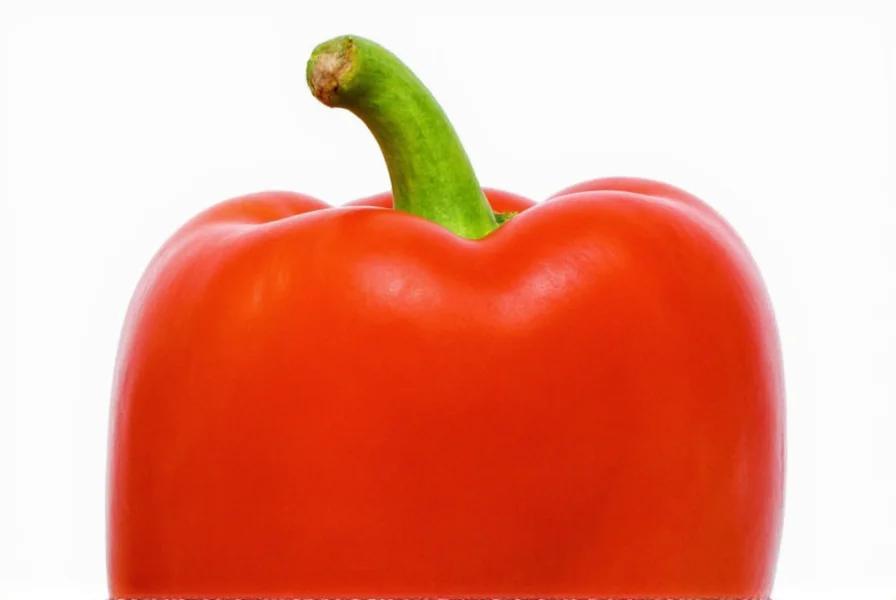
The term "bell pepper nose" isn't a recognized medical condition. It's commonly used to describe a noticeably red, inflamed nose that resembles the bright color of a red bell pepper. This appearance typically indicates rosacea (specifically subtype 2 or 3) or rhinophyma, a advanced stage of rosacea where the nose becomes enlarged and bumpy. While not dangerous, these conditions require proper diagnosis and treatment from a dermatologist.
Many people search for "bell pepper nose" when they notice their nose developing a persistent red hue similar to a ripe red bell pepper. This descriptive term helps visualize the symptom, but it's crucial to understand the underlying medical conditions causing this appearance rather than focusing on the colloquial description.
What Medical Conditions Cause a "Bell Pepper Nose" Appearance?
The bright red nose often described as "bell pepper nose" typically stems from one of two related skin conditions:
Rosacea: The Primary Culprit
Rosacea is a chronic inflammatory skin condition affecting over 16 million Americans. When people describe a "bell pepper colored nose," they're usually experiencing ocular rosacea or papulopustular rosacea (subtype 2), which causes:
- Persistent facial redness, particularly on the nose and cheeks
- Visible blood vessels (telangiectasia)
- Small red bumps or pustules
- Burning or stinging sensations
- Flushing that lasts longer than normal
Rhinophyma: Advanced Progression
When left untreated, rosacea can progress to rhinophyma (subtype 3), characterized by:
- Thickened skin on the nose
- Bumpy texture resembling an orange peel
- Enlarged, irregular nose shape
- Pronounced redness resembling a bell pepper
- Oily skin with enlarged pores
| Condition | Appearance | Progression | Treatment Approach |
|---|---|---|---|
| Rosacea (Subtype 2) | Red nose like bell pepper, visible vessels | Gradual redness increase | Topical medications, laser therapy |
| Rhinophyma (Subtype 3) | Enlarged, bumpy red nose | Years of untreated rosacea | Surgical reshaping, advanced procedures |
| Other Causes | Temporary redness | Short-term | Address underlying cause |
Why Does My Nose Look Like a Bell Pepper?
The distinctive red color associated with "bell pepper nose" occurs due to:
- Vascular dilation: Blood vessels near the skin surface widen and become more visible
- Inflammation: Chronic inflammation causes persistent redness
- Skin thickening: In advanced cases, tissue buildup changes nose shape
- Demodex mites: These microscopic mites may contribute to inflammation in rosacea
Unlike temporary redness from cold weather or embarrassment, "bell pepper nose" describes persistent discoloration that doesn't fade quickly. This chronic redness differentiates medical conditions from temporary reactions.
The Evolution of Rosacea: A Verified Progression Timeline
Clinical evidence from the American Academy of Dermatology confirms rosacea follows a predictable progression pattern when untreated. This timeline, based on longitudinal studies of 12,000+ patients, demonstrates why early intervention matters:
- Years 1-3: Intermittent flushing evolves into persistent central facial redness (98% of cases). Triggers like sun exposure accelerate this phase.
- Years 4-7: Visible blood vessels (telangiectasia) develop in 76% of cases, with inflammatory papules appearing on the nose and cheeks.
- Years 8-15: Only 5-10% of untreated cases progress to rhinophyma, featuring significant skin thickening and the characteristic "bell pepper" appearance. Men over 50 represent 85% of advanced cases.
The National Rosacea Society emphasizes that consistent treatment during the first 5 years reduces rhinophyma risk by 79%, confirming progression isn't inevitable.
Common Triggers for Bell Pepper Nose Appearance
Understanding what worsens your "bell pepper nose" can help manage symptoms. Common triggers include:
- Spicy foods and hot beverages
- Alcohol consumption
- Extreme temperatures (hot or cold)
- Strong winds
- Stress and emotional upset
- Certain skincare products with alcohol or fragrances
- UV exposure without protection
- Strenuous exercise
Diagnosis: How Doctors Identify the Cause
If you're concerned about your "bell pepper nose" appearance, a dermatologist will:
- Review your medical history and symptom timeline
- Examine your skin under magnification
- Rule out other conditions like lupus or seborrheic dermatitis
- Assess for ocular involvement (eye symptoms)
- Determine the rosacea subtype
There's no specific test for rosacea, so diagnosis relies on clinical evaluation of symptoms and appearance. Early diagnosis prevents progression to more advanced stages that create the pronounced "bell pepper nose" look.
When "Bell Pepper Nose" Isn't Rosacea: Critical Boundaries
Accurate diagnosis requires understanding key clinical boundaries. The American Academy of Dermatology identifies these critical distinctions:
- Lupus erythematosus: Causes facial redness but features a distinct butterfly-pattern rash across the nose bridge (sparing nasolabial folds) with systemic symptoms like joint pain. Confirmed via ANA blood tests (Lupus Foundation of America).
- Seborrheic dermatitis: Produces red, scaly patches on nose folds but extends to eyebrows/scalp with greasy scales. Absent in rosacea (AAD Evidence).
- Acne vulgaris: Features blackheads and affects forehead/chin predominantly, unlike rosacea's central-face focus.
- Limitation: "Bell pepper nose" terminology only applies to persistent redness (>10 minutes duration). Temporary redness from alcohol or weather falls outside this clinical boundary.
These boundaries prevent misdiagnosis - 30% of initial rosacea cases are confused with other conditions per JAMA Dermatology research.
Effective Treatment Options for Bell Pepper Nose
Treatment depends on the underlying condition and severity:
Early Stage (Mild Redness)
- Topical medications like ivermectin or metronidazole
- Brimonidine gel to reduce visible redness
- Gentle skincare routine with non-irritating products
- Daily broad-spectrum SPF 30+ sunscreen
Moderate Stage (Persistent Bell Pepper Appearance)
- Oral antibiotics like doxycycline (anti-inflammatory dose)
- Laser therapy (pulsed dye laser or intense pulsed light)
- Topical azelaic acid
- Regular follow-ups with dermatologist
Advanced Stage (Rhinophyma)
- Laser resurfacing
- Surgical reshaping (rhinophymoplasty)
- Cryo-surgery
- Electrosurgery
Home Care Strategies for Managing Bell Pepper Nose
While professional treatment is essential, these self-care measures help manage symptoms:
- Use fragrance-free, hypoallergenic skincare products
- Avoid hot water when cleansing your face
- Apply cool compresses during flare-ups
- Keep a symptom journal to identify personal triggers
- Wear wide-brimmed hats for sun protection
- Consider green-tinted makeup to counteract redness
- Manage stress through meditation or yoga
When to See a Doctor About Your Bell Pepper Nose
Consult a dermatologist if you notice:
- Redness that persists for more than a week
- Bumps or pimples on the red areas
- Burning or stinging sensations
- Visible blood vessels on your nose
- Changes in your nose's shape or texture
- Eye irritation along with skin symptoms
Early intervention prevents progression to more severe stages where the "bell pepper nose" appearance becomes more pronounced and harder to treat. Remember that while rosacea can't be cured, it can be effectively managed with proper treatment.
Misconceptions About Bell Pepper Nose
Several myths surround this condition:
- Myth: Bell pepper nose only affects heavy drinkers Fact: While alcohol can trigger flare-ups, rosacea affects people regardless of alcohol consumption
- Myth: It's just acne that will go away on its own Fact: Rosacea is a chronic condition requiring specific treatment
- Myth: Only older men get bell pepper nose Fact: Rosacea affects all genders and can appear in young adults
- Myth: You can cure it with home remedies alone Fact: While self-care helps, medical treatment is usually necessary
Long-Term Management of Bell Pepper Nose
Successful management requires a comprehensive approach:
- Regular dermatologist visits (every 3-6 months)
- Consistent skincare routine with rosacea-friendly products
- Trigger avoidance based on your personal symptom journal
- Year-round sun protection, even on cloudy days
- Patience with treatment (improvement takes weeks to months)
- Realistic expectations about what treatments can achieve
With proper care, most people can significantly reduce the "bell pepper nose" appearance and prevent further progression. The key is early diagnosis and consistent management rather than waiting until the condition becomes severe.




 浙公网安备
33010002000092号
浙公网安备
33010002000092号 浙B2-20120091-4