
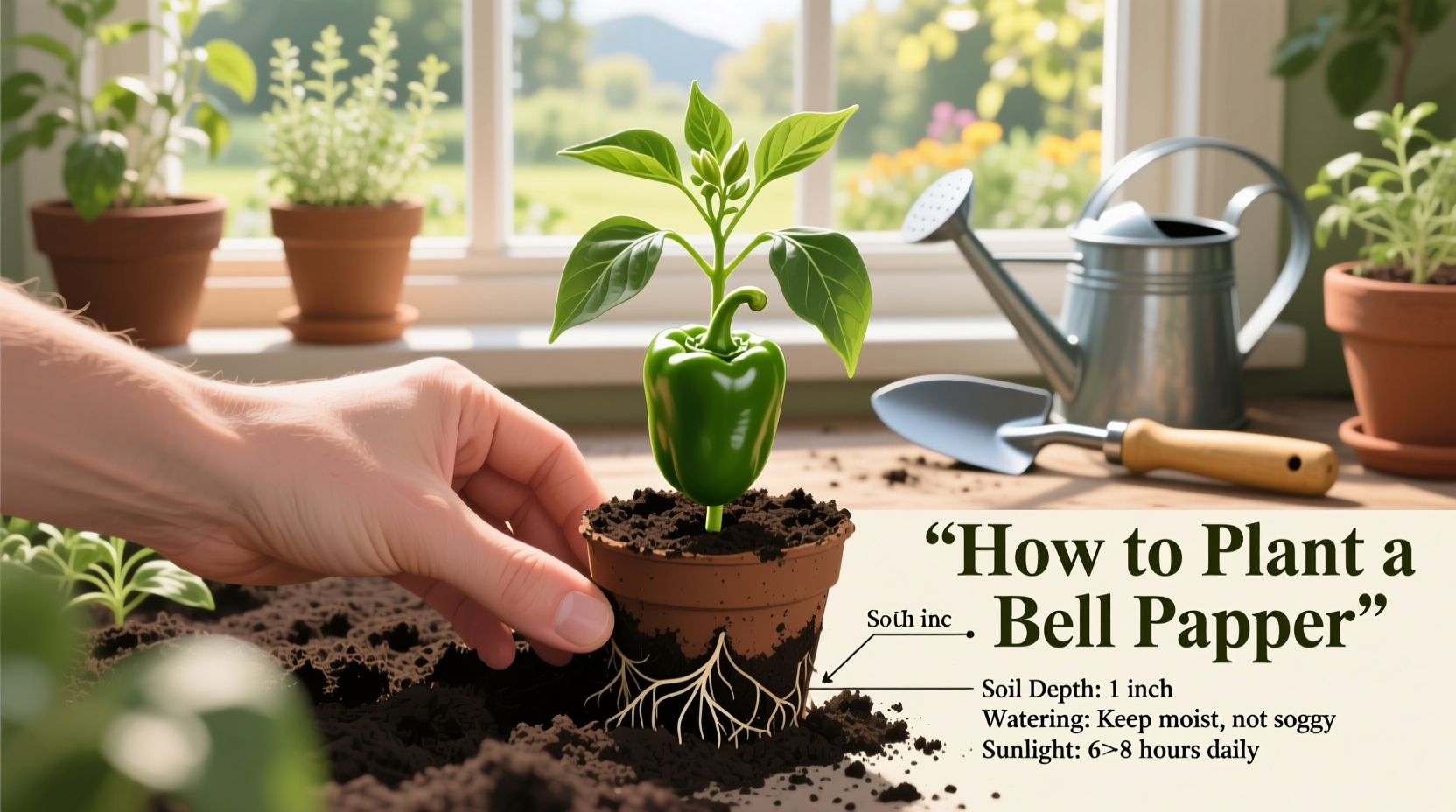
Planning Your Bell Pepper Garden Success
Successful bell pepper cultivation begins with proper timing and variety selection. Bell peppers (Capsicum annuum) require warm temperatures and a long growing season, typically needing 60-90 days to reach maturity after transplanting. The USDA Plant Hardiness Zone Map indicates bell peppers grow best in zones 3-10, but with proper care they can thrive in most climates.
Consider these key planning factors before planting:
| Variety Type | Days to Maturity | Color Progression | Best Growing Conditions |
|---|---|---|---|
| California Wonder | 70-80 days | Green to red | Cooler climates, reliable producer |
| Big Bertha | 72 days | Green to red | Hotter climates, large fruit |
| Lipstick | 75 days | Green to bright red | Container gardening, disease resistant |
| Golden Bell | 70 days | Green to golden yellow | Shorter seasons, early harvest |
According to research from University of Minnesota Extension, bell peppers perform best when daytime temperatures range between 70-85°F and nighttime temperatures stay above 60°F. Planting too early in cold soil can stunt growth and reduce yields significantly.
Preparing for Planting: Soil and Starting Methods
Bell peppers thrive in well-draining soil rich in organic matter. Before planting, prepare your garden bed by incorporating 3-4 inches of compost and working the soil to a depth of 12-15 inches. The ideal soil pH for bell peppers ranges from 6.0 to 6.8, as documented by Penn State Extension.
You have two primary options for starting your bell pepper plants:
Starting Seeds Indoors (Recommended)
- Begin 8-10 weeks before your area's last expected frost date
- Use seed starting mix in trays or small pots
- Plant seeds 1/4 inch deep and maintain soil temperature of 75-85°F
- Keep soil consistently moist but not waterlogged
- Provide 14-16 hours of light daily once seedlings emerge
- Begin hardening off plants 7-10 days before transplanting
Direct Seeding (In Warmer Climates)
Only suitable in regions with long, warm growing seasons. Wait until soil temperature reaches at least 65°F before planting seeds 1/4 inch deep. Space seeds 18 inches apart in rows 24-36 inches apart.
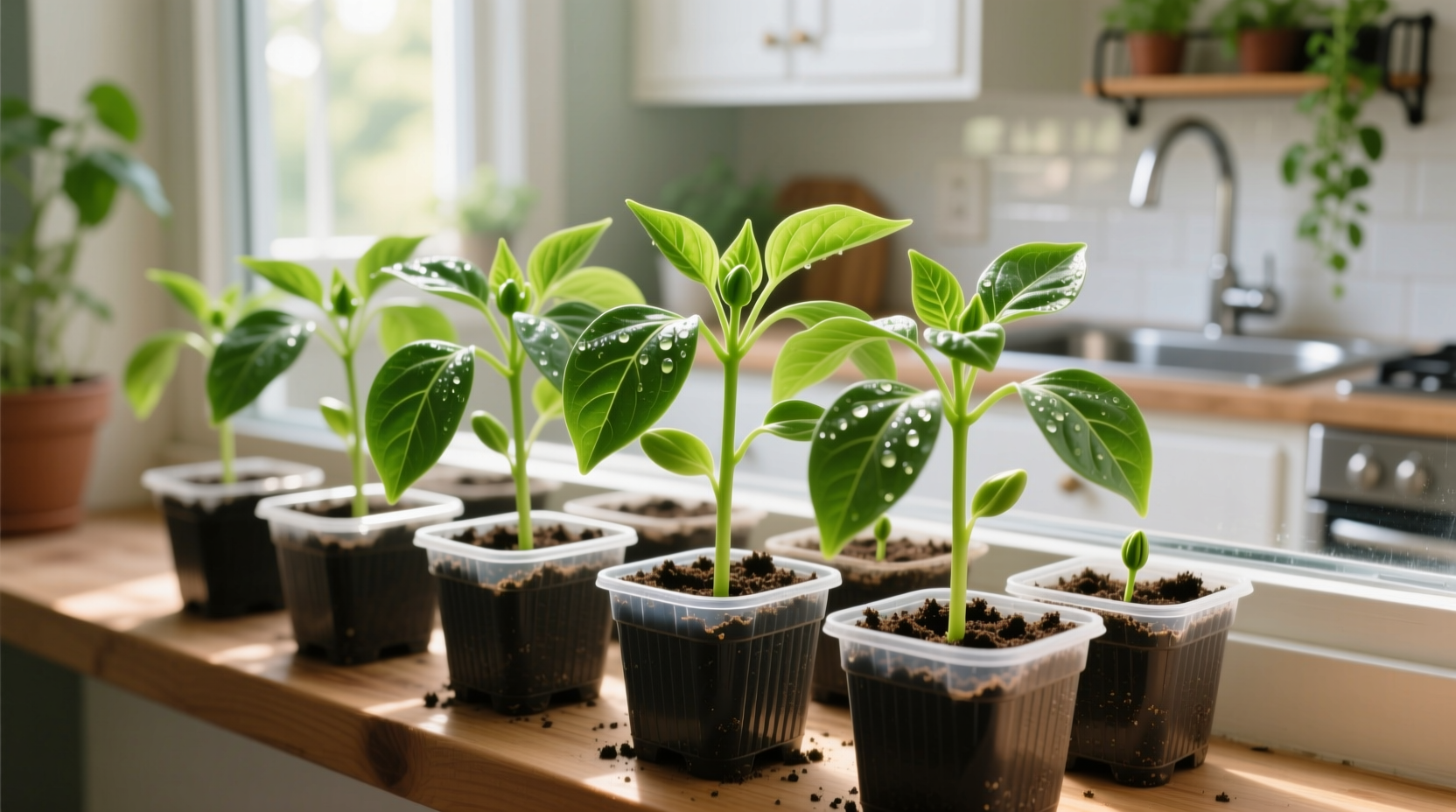
Step-by-Step Planting Guide
Follow these steps for successful bell pepper planting:
Transplanting Seedlings Outdoors
- Wait until nighttime temperatures consistently stay above 55°F
- Choose a sunny location with at least 6-8 hours of direct sunlight daily
- Dig holes slightly larger than the root ball of your seedlings
- Space plants 18-24 inches apart in rows 24-36 inches apart
- Add a balanced fertilizer or compost to each planting hole
- Gently remove seedlings from containers, being careful not to damage roots
- Plant at the same depth as in their containers (don't bury the stem)
- Water thoroughly after planting
- Apply 2-3 inches of organic mulch to conserve moisture and regulate soil temperature
Container Planting Options
For gardeners with limited space, bell peppers grow well in containers. Choose pots that are at least 5 gallons in size with adequate drainage. Fill with high-quality potting mix rather than garden soil. Container-grown peppers require more frequent watering and fertilizing but offer the advantage of being movable to optimize sun exposure.
Ongoing Care for Healthy Bell Pepper Plants
Proper care after planting ensures strong growth and maximum yield:
Watering Requirements
Bell peppers need consistent moisture but don't tolerate waterlogged soil. Water deeply 1-2 times per week, providing 1-2 inches of water. During fruit set and hot weather, you may need to water daily. The Oregon State University Extension recommends using drip irrigation or soaker hoses to deliver water directly to the roots while keeping foliage dry.
Fertilizing Schedule
Feed bell peppers every 3-4 weeks with a balanced fertilizer (10-10-10) or one higher in phosphorus to encourage fruit production. Avoid excessive nitrogen, which promotes leafy growth at the expense of fruit. When flowers appear, switch to a fertilizer with higher phosphorus content.
Pest and Disease Management
Common bell pepper pests include aphids, flea beetles, and spider mites. Prevent problems by rotating crops annually and maintaining healthy soil. For organic pest control, try insecticidal soaps or neem oil. The most common disease issues are blossom end rot (caused by calcium deficiency) and various fungal diseases, which can be minimized through proper watering practices and good air circulation.
Troubleshooting Common Bell Pepper Problems
Even with proper care, you may encounter these common issues:
- Yellowing leaves: Often indicates overwatering or nutrient deficiency. Check soil moisture and consider a balanced fertilizer.
- Poor fruit set: Can result from temperature extremes (below 60°F or above 90°F), lack of pollination, or improper fertilization.
- Blossom end rot: Appears as dark, sunken spots on the bottom of peppers. Caused by inconsistent watering and calcium deficiency. Maintain even soil moisture and consider adding calcium to the soil.
- Small fruit size: Usually due to overcrowding, insufficient nutrients, or inadequate water during fruit development.
Harvesting Your Bell Peppers
Bell peppers can be harvested at any stage of development, but flavor and nutritional content increase as they mature to their final color. Most varieties start green and change to red, yellow, or orange as they ripen.
Use these harvesting guidelines:
- Harvest when peppers are firm, glossy, and have reached full size
- Use sharp scissors or pruning shears to cut peppers from the plant (don't pull)
- Leave a small stem attached to the fruit
- Regular harvesting encourages more production
- Peppers will continue producing until the first frost
On average, each bell pepper plant produces 6-8 fruits per season under optimal conditions. Store harvested peppers in the refrigerator's crisper drawer for up to 2 weeks.




 浙公网安备
33010002000092号
浙公网安备
33010002000092号 浙B2-20120091-4