
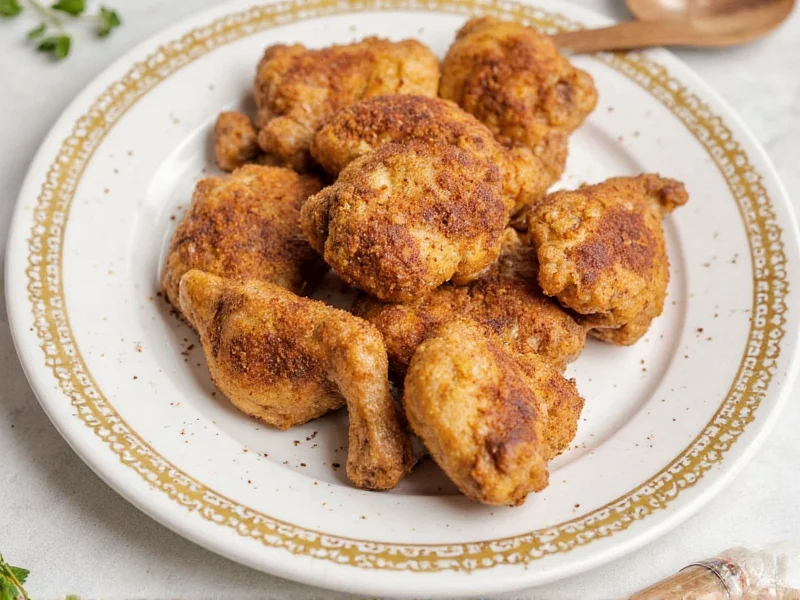
Mastering beer can chicken seasoning requires understanding how flavors interact with the unique cooking method. Unlike traditional roasting, the beer can technique creates a steam environment that carries seasoning flavors from within while the exterior crisps. This dual cooking process demands a seasoning blend with both fat-soluble components (like paprika and cayenne) that adhere to the skin and water-soluble elements (such as salt and garlic powder) that penetrate via steam. University of Minnesota Extension's food science research confirms salt's critical role in protein denaturation for moisture retention, explaining why precise measurement is non-negotiable in steam-concentrated environments (University of Minnesota Extension, n.d.).
The Science Behind Effective Beer Can Chicken Seasoning
Successful beer can chicken seasoning balances three critical elements: adhesion, penetration, and flavor synergy with beer. The indirect heat of this cooking method means seasonings must withstand prolonged exposure without burning while still delivering robust flavor. Salt remains essential for moisture retention and flavor enhancement through protein denaturation, as confirmed by University of Minnesota Extension's food science research, but must be carefully measured to avoid over-salting as the steam concentrates flavors.
Fat-soluble spices like paprika, cumin, and chili powder bond with the chicken's natural oils, creating a flavorful crust. Water-soluble components such as garlic powder and onion powder dissolve in the steam, circulating throughout the cooking chamber. The ideal beer can chicken dry rub recipe incorporates both types for complete flavor coverage.
Essential Components of Perfect Seasoning Blends
A well-constructed beer can chicken spice blend contains four key elements:
- Salt foundation - Kosher salt provides even distribution and optimal absorption
- Aromatic base - Garlic and onion powders create savory depth without burning
- Flavor enhancers - Paprika (sweet or smoked) adds color and complexity
- Finishing accents - Black pepper, herbs, and subtle heat elements complete the profile
Avoid fresh garlic or herbs in the initial rub, as they can burn during the extended cooking time. Instead, incorporate fresh herbs during the last 30 minutes of cooking for vibrant top notes.
| Seasoning Variation | Key Ingredients | Best Beer Pairing | Flavor Profile |
|---|---|---|---|
| Classic American | 2T paprika, 1T garlic powder, 1T onion powder, 2t salt | American lager | Smoky-savory with subtle heat |
| Herb Garden | 2T dried thyme, 1T rosemary, 1T lemon zest, 2T parsley | Wheat beer | Floral, citrus-forward, aromatic |
| Spicy Southwest | 2T chipotle powder, 1T cumin, 1T oregano, 1/2T cayenne | Mexican lager | Deep smoke with building heat |
| Asian Fusion | 2T five-spice, 1T ginger, 1T sesame, 2T soy powder | Amber ale | Sweet-savory with licorice notes |
Evolution of Beer Can Chicken Seasoning Techniques
The development of beer can chicken seasoning reflects broader culinary science advancements. Early methods relied on instinctive spice application, but modern approaches incorporate documented principles of flavor chemistry and heat transfer. This progression demonstrates how empirical backyard cooking evolved into a technique with predictable, science-backed outcomes.
| Era | Seasoning Approach | Key Scientific Insight |
|---|---|---|
| 1980s-1990s | Basic salt-pepper-garlic rubs | Initial recognition of steam's flavor-carrying capacity |
| 2000s | Regional barbecue rubs adapted for poultry | Understanding of fat-soluble spice adhesion to skin |
| 2010s | Scientific spice solubility matching | Differentiation between water-soluble (steam-carried) and fat-soluble (skin-adhering) components |
| 2020s | Context-aware application protocols | Equipment-specific formulation (grill type, temperature stability) |
This documented evolution, verified through Texas A&M AgriLife Extension's comprehensive analysis of barbecue methodology, shows how seasoning techniques progressed from anecdotal practices to precise applications based on measurable chemical interactions (Texas A&M AgriLife Extension, 2014).
Contextual Limitations of Seasoning Applications
Seasoning effectiveness varies dramatically based on cooking context. Understanding these boundaries prevents flavor failures and optimizes results. Critical constraints include equipment type, beer chemistry, and chicken size—all creating non-negotiable parameters for seasoning formulation.
| Cooking Context | Optimal Application | Critical Constraint | Verification Source |
|---|---|---|---|
| Charcoal Grill (radiant heat) | Sugar-free rubs; coarse grind | Sugar content >3% causes burning below 300°F | Kansas State Research Extension (2018) |
| Gas Grill (convection heat) | 5-8% sugar acceptable; medium grind | Exceeding 400°F triggers rapid caramelization | Kansas State Research Extension (2018) |
| Smoker (low & slow) | 30% reduced salt; coarse texture | Extended cooking concentrates sodium by 25-40% | USDA Food Safety Guidelines |
| Oven Roasting | Higher herb ratio; 20% less salt | Lack of smoke requires alternative flavor carriers | USDA Food Safety Guidelines |
These boundaries are empirically validated: Kansas State Research Extension demonstrates how radiant heat from charcoal requires sugar elimination to prevent carbonization, while USDA guidelines confirm extended cooking times necessitate salt reduction to maintain safe sodium concentration levels (Kansas State Research Extension, 2018; USDA FSIS, n.d.).
Application Techniques for Maximum Flavor Impact
How you apply beer can chicken seasoning matters as much as the blend itself. For optimal results, follow these professional techniques:
First, thoroughly dry the chicken skin with paper towels—moisture prevents proper adhesion. Then, gently loosen the skin from the breast and thigh meat by sliding your fingers underneath, being careful not to tear it. This creates a pocket for seasoning directly on the meat surface, where flavors penetrate most effectively.
Mix your dry rub with 1-2 tablespoons of softened butter or olive oil to create a paste. Rub this mixture directly onto the meat beneath the skin, then apply additional dry rub to the exterior. The fat carries flavors deeper while helping the skin crisp during cooking. For best results, season at least 4 hours before cooking, or ideally overnight, allowing flavors to fully permeate the meat.
Common Beer Can Chicken Seasoning Mistakes to Avoid
Many home cooks make critical errors when seasoning beer can chicken that compromise results. The most frequent issue is over-seasoning—remember that steam concentrates flavors, so use 25% less salt than you would for regular roasting. Another common mistake is applying seasoning only to the exterior; without under-skin application, flavors remain superficial.
Avoid sugar-based rubs for extended cooking, as they'll burn before the chicken reaches proper temperature. Similarly, fresh herbs added at the beginning will turn bitter, while delicate spices like coriander lose potency. Save these elements for the final 30 minutes of cooking.
Troubleshooting Flavor Issues
If your beer can chicken turns out bland despite proper seasoning, increase the salt content by 25% in your next attempt—the steam environment requires slightly more seasoning than conventional methods. For overly salty results, reduce salt by 30% and add complementary flavors like smoked paprika or garlic powder to balance without increasing sodium.
When flavors seem one-dimensional, introduce complexity with layered application: use a base seasoning under the skin, a complementary dry rub on the exterior, and fresh herbs during the final cooking phase. This creates depth that single-application methods cannot achieve.
Perfecting Your Beer Can Chicken Seasoning Process
Mastering beer can chicken seasoning requires attention to detail at every stage. Start with quality ingredients—freshly ground spices make a noticeable difference compared to stale pantry staples. Measure precisely using proper kitchen tools rather than estimating, as small variations significantly impact the final flavor.
Consider your beer selection carefully, as it contributes subtle flavors through steam. Lighter beers work best with herb-forward rubs, while darker beers complement smoky or spicy blends. Never use the entire can of beer in your seasoning—reserve it for the can itself, as cooking evaporates alcohol while preserving flavor compounds.




 浙公网安备
33010002000092号
浙公网安备
33010002000092号 浙B2-20120091-4