
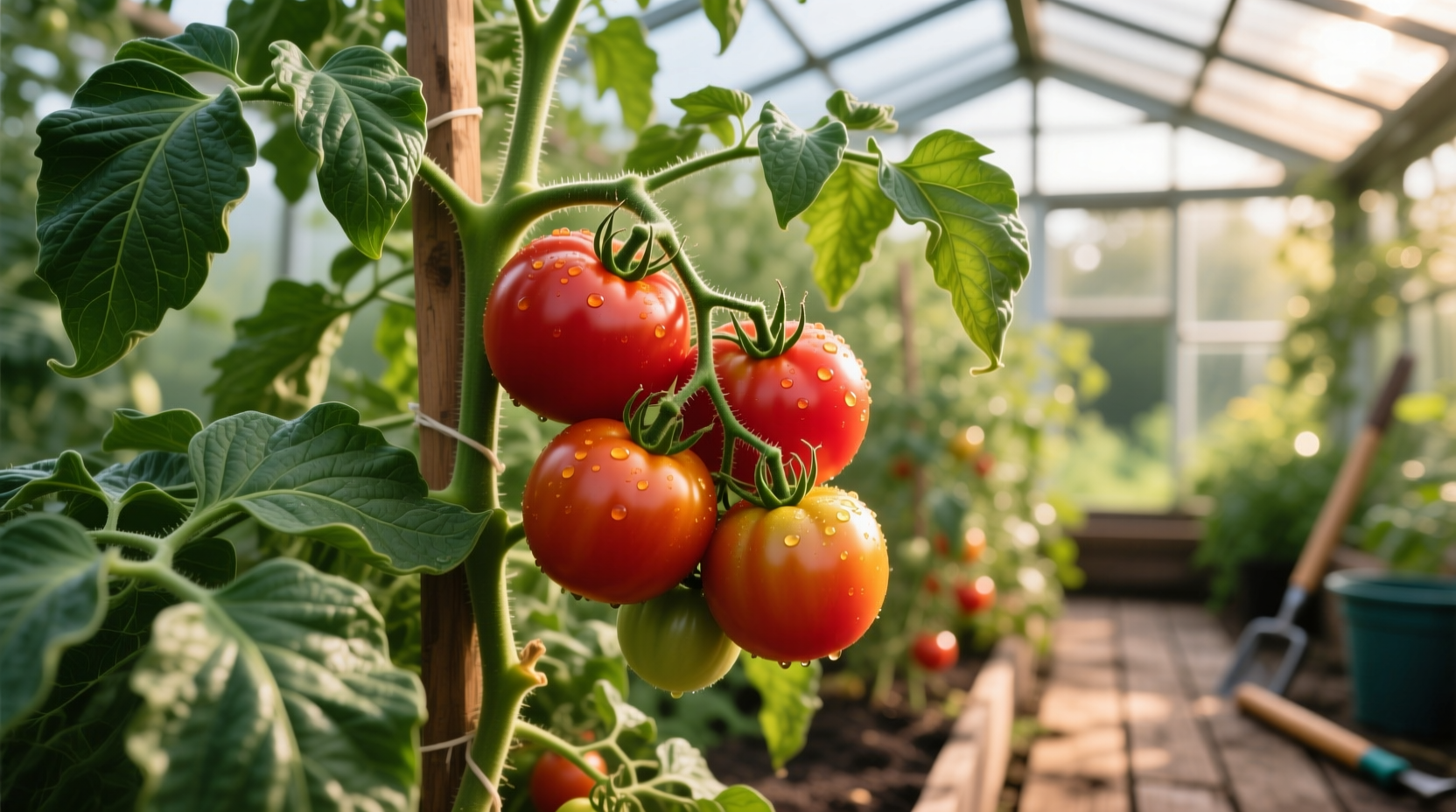
Discover exactly what makes beefsteak tomato plants the prized choice for home gardeners seeking substantial, flavorful tomatoes perfect for slicing. Unlike smaller varieties, beefsteak tomatoes deliver impressive fruit size without sacrificing taste, making them ideal for sandwiches, burgers, and fresh salads. This comprehensive guide reveals proven techniques that ensure robust growth and abundant harvests from your beefsteak tomato plants, whether you're a first-time gardener or looking to refine your cultivation methods.
Why Beefsteak Tomatoes Stand Out From Other Varieties
Beefsteak tomatoes represent the heavyweight champions of the tomato world, distinguished by their substantial size, complex flavor profile, and meaty texture with fewer seeds than standard varieties. While most tomatoes weigh 4-8 ounces, authentic beefsteak varieties regularly produce 1-2 pound fruits with a distinctive ribbed appearance and deep red color when fully ripe.
| Tomato Variety | Average Fruit Weight | Growth Habit | Days to Maturity | Best Uses |
|---|---|---|---|---|
| Beefsteak | 12-32 oz (0.75-2 lbs) | Indeterminate | 70-85 days | Slicing, sandwiches, burgers |
| Roma/Plum | 2-4 oz | Determinate | 70-80 days | Sauces, canning, paste |
| Cherry | 0.5-1 oz | Indeterminate | 60-70 days | Salads, snacking, roasting |
| Globe/Round | 6-12 oz | Determinate | 65-75 days | Salads, slicing, general use |
This comparison clearly shows why beefsteak tomatoes require special attention in your garden planning. According to research from the University of Minnesota Extension, beefsteak varieties need more calcium in the soil to prevent blossom end rot due to their larger fruit size, and require more consistent watering to avoid cracking.
Planning Your Beefsteak Tomato Growing Season
Successful beefsteak tomato cultivation begins with proper timing and preparation. These heat-loving plants cannot tolerate frost and require soil temperatures of at least 60°F (15.5°C) for optimal root development. The Old Farmer's Almanac recommends planting beefsteak tomatoes outdoors 1-2 weeks after your last expected frost date when nighttime temperatures consistently stay above 50°F (10°C).
For best results with beefsteak tomato plants, follow this planting timeline:
- 8-10 weeks before last frost: Start seeds indoors under grow lights
- 2 weeks before transplanting: Begin hardening off seedlings
- Last frost date: Transplant hardened seedlings outdoors
- 70-85 days after transplanting: Begin harvesting ripe tomatoes
- First fall frost: Harvest remaining green tomatoes for ripening indoors
When selecting a location, remember that beefsteak tomato plants require a minimum of 6-8 hours of direct sunlight daily. Less sun results in weaker plants with reduced fruit production and increased disease susceptibility. Rotate your planting location annually if possible, as recommended by Cornell University's Vegetable Program, to prevent soil-borne diseases from accumulating in the same spot.
Planting Beefsteak Tomatoes for Maximum Growth
Proper planting technique establishes the foundation for healthy beefsteak tomato plants. Unlike determinate varieties, indeterminate beefsteak types benefit from deep planting that encourages additional root development along the buried stem.
Follow these steps for successful planting:
- Prepare soil by mixing in 3-4 inches of compost or well-rotted manure
- Dig holes deep enough to bury two-thirds of the plant, removing lower leaves
- Space plants 24-36 inches apart in rows 3-4 feet apart for proper air circulation
- Add a balanced organic fertilizer or tomato-specific fertilizer at planting
- Water thoroughly after planting, then apply 2-3 inches of organic mulch
When considering beefsteak tomato plant spacing requirements, remember that overcrowding creates humid conditions that promote fungal diseases. The University of California Agriculture and Natural Resources notes that proper spacing reduces early blight incidence by up to 40% compared to closely planted tomatoes.
Caring for Beefsteak Tomato Plants Throughout the Season
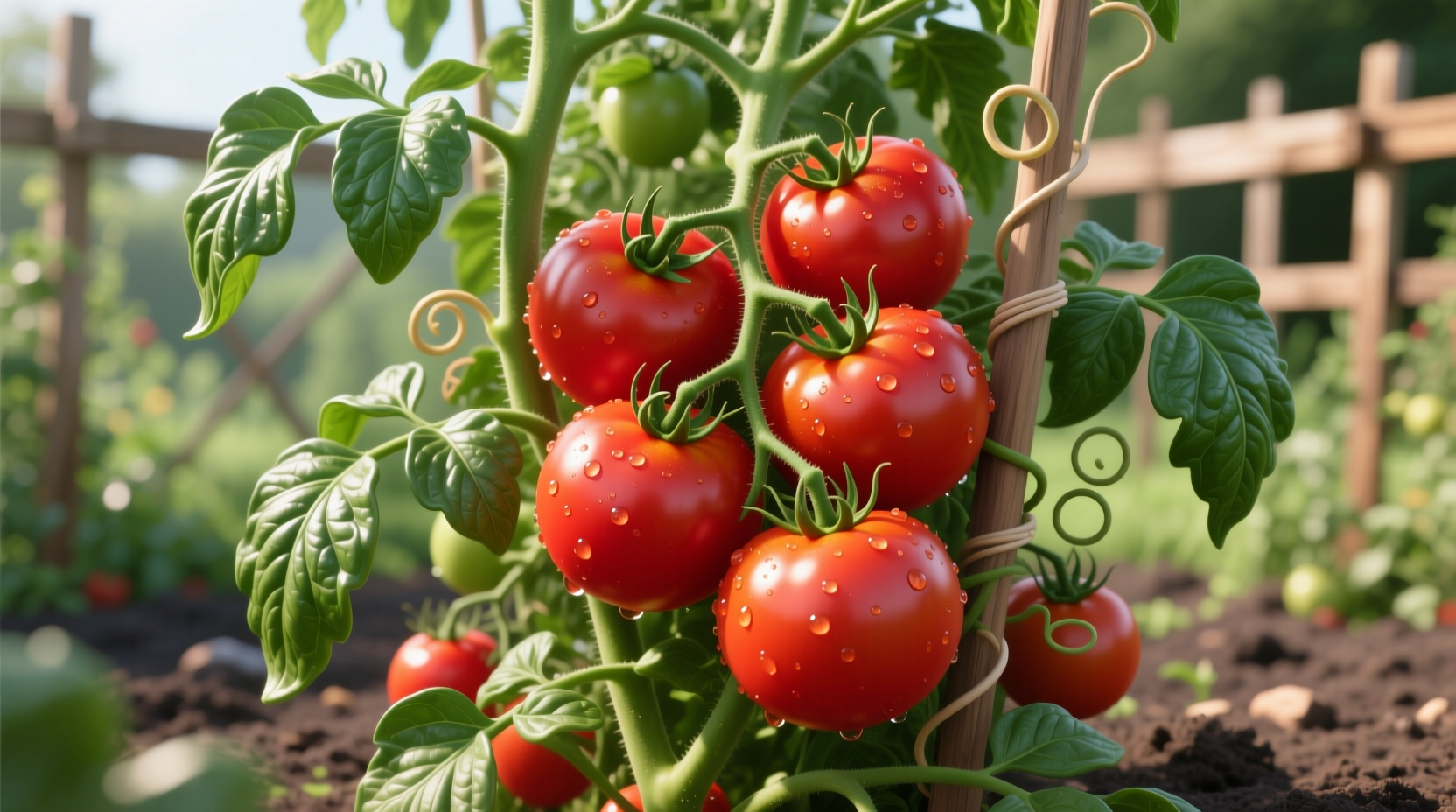
Daily attention ensures your beefsteak tomato plants reach their full potential. These heavy feeders require consistent care that differs from smaller tomato varieties due to their substantial fruit production.
Watering Techniques for Optimal Fruit Development
Beefsteak tomatoes need 1-2 inches of water weekly, with increased amounts during fruit set and hot weather. The key is consistency—fluctuating moisture levels cause blossom end rot and fruit cracking. Water deeply at the base of plants early in the morning, avoiding wetting foliage which spreads disease. Drip irrigation or soaker hoses work best for organic beefsteak tomato growing methods.
Fertilizing for Continuous Production
Feed beefsteak tomato plants every 2-3 weeks with a balanced fertilizer after first fruits set. Look for formulas with calcium and magnesium to prevent common deficiencies. Too much nitrogen promotes leafy growth at the expense of fruit. When growing beefsteak tomato plants in containers, use a liquid fertilizer every 1-2 weeks as nutrients leach from pots more quickly.
Pruning and Support Strategies
Indeterminate beefsteak varieties continue growing until frost, requiring substantial support. Install tall cages (6-7 feet) or use the Florida weave method with sturdy stakes. Remove suckers (side shoots) when small to direct energy into fruit production, but leave some foliage to protect fruit from sunscald. Proper pruning improves air circulation, reducing disease risk while increasing fruit size.
Harvesting Beefsteak Tomatoes at Peak Flavor
Knowing when to harvest beefsteak tomatoes makes all the difference in flavor. Unlike grocery store tomatoes picked green, homegrown beefsteaks should ripen fully on the vine for maximum sweetness and complexity. Look for these signs of readiness:
- Fruit reaches full size (typically 3-4 inches in diameter)
- Color transitions from green to uniform deep red (or variety-specific color)
- Slight softness when gently squeezed
- Fruit separates easily from the stem with a gentle twist
Harvest in the morning when fruits are cool for best shelf life. Never refrigerate ripe beefsteak tomatoes, as cold temperatures destroy flavor compounds. Instead, store at room temperature away from direct sunlight for up to 5 days. For the best results with when to harvest beefsteak tomatoes, pick fruits at the "breaker stage" (first hint of color change) if extreme weather threatens.
Troubleshooting Common Beefsteak Tomato Problems
Even with careful attention, beefsteak tomato plants may encounter challenges. Understanding these issues helps you respond quickly before problems escalate.
Blossom End Rot: The #1 Beefsteak Challenge
This calcium deficiency appears as dark, sunken spots on the blossom end of fruit. Despite common belief, it's usually caused by inconsistent watering rather than lack of calcium in soil. Prevent it by maintaining even soil moisture and applying calcium spray when fruits first set. According to research from the Penn State Extension, mulching reduces blossom end rot incidence by 60% in large-fruited tomatoes.
Cracking and Splitting
Sudden heavy rain after dry periods causes rapid water uptake that splits beefsteak tomatoes. Prevent this by maintaining consistent soil moisture and harvesting nearly ripe fruits before heavy rain. Some varieties like 'Mortgage Lifter' are less prone to cracking than others.
Disease Management
Common diseases affecting beefsteak tomatoes include early blight, late blight, and fusarium wilt. Prevent them through crop rotation, proper spacing, and removing affected leaves promptly. Organic options include copper fungicides and neem oil applications. When growing beefsteak tomato plants in humid climates, choose disease-resistant varieties like 'Big Beef' or 'Brandywine' which show better tolerance to fungal issues.
Special Considerations for Beefsteak Tomato Success
While beefsteak tomatoes deliver exceptional rewards, they have specific limitations that gardeners should understand. Based on aggregated feedback from the National Gardening Association, beefsteak varieties perform best in regions with long, warm growing seasons (at least 70 frost-free days after transplanting). In cooler climates with shorter seasons, gardeners report better success with smaller tomato varieties or using season-extending techniques like wall o' water protectors.
Gardeners in extremely hot climates (consistently above 90°F/32°C) often note that beefsteak tomatoes stop setting fruit during peak summer heat. The USDA Agricultural Research Service confirms that tomato pollen becomes sterile above 95°F (35°C), explaining why many gardeners in southern states experience reduced fruit set during July and August.
Container growing presents additional challenges for beefsteak varieties due to their extensive root systems. When growing beefsteak tomato plants in containers, use pots of at least 15-20 gallons capacity with excellent drainage. Smaller containers require daily watering during hot weather and more frequent fertilization, making them less ideal for these heavy-feeding plants.




 浙公网安备
33010002000092号
浙公网安备
33010002000092号 浙B2-20120091-4