
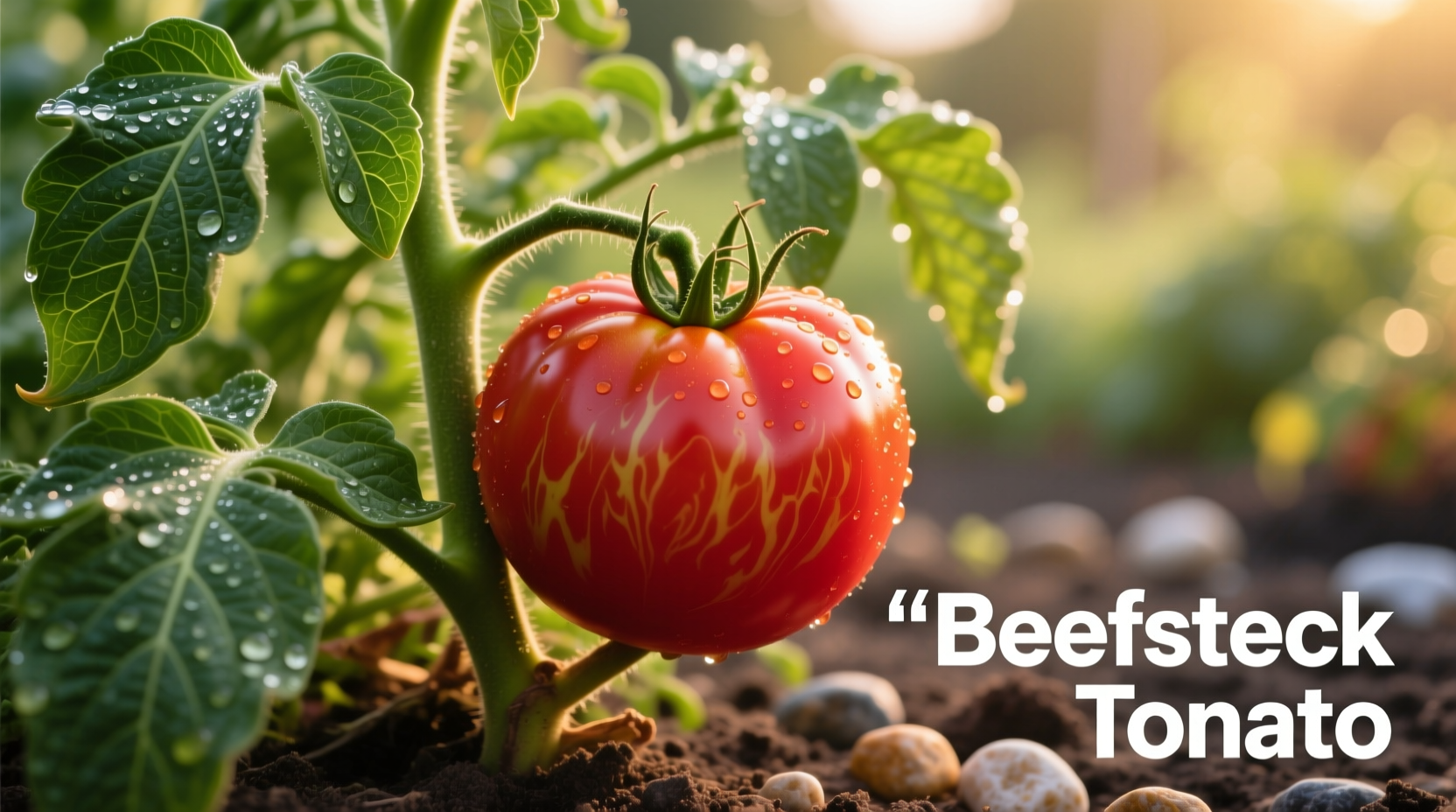
Nothing compares to the satisfaction of harvesting your own homegrown beefsteak tomatoes—those massive, juicy fruits perfect for BLTs and caprese salads. If you've ever wondered why your beefsteak tomatoes crack, fail to ripen properly, or produce fewer fruits than expected, this guide delivers the science-backed solutions you need.
Why Beefsteak Tomatoes Stand Out in Your Garden
Beefsteak tomatoes (Solanum lycopersicum 'Beefsteak') represent the heavyweight champions of the tomato world, with fruits regularly reaching 1-2 pounds. Unlike determinate varieties that stop growing at a certain height, beefsteak plants are indeterminate, meaning they'll continue growing and producing fruit throughout the season until killed by frost.
According to the USDA Agricultural Research Service, beefsteak varieties contain higher concentrations of glutamic acid than smaller tomato types, which explains their signature umami-rich flavor profile that makes them culinary favorites. Their large size comes with trade-offs—they typically have lower acidity than roma or cherry tomatoes, making them less ideal for canning but perfect for fresh applications.
| Tomato Variety | Average Fruit Weight | Days to Maturity | Best Uses |
|---|---|---|---|
| Beefsteak | 1-2 lbs | 70-85 days | Slicing, sandwiches, fresh eating |
| Roma | 2-4 oz | 75-80 days | Canning, sauces, paste |
| Cherry | 0.5-1 oz | 60-70 days | Salads, snacking, roasting |
Starting Your Beefsteak Journey: From Seed to Transplant
Timing is critical when growing beefsteak tomatoes. The University of Minnesota Extension recommends starting seeds indoors 6-8 weeks before your last expected frost date. Use a sterile seed-starting mix rather than garden soil to prevent damping-off disease.
Key seed-starting steps:
- Plant seeds ¼ inch deep in individual cells
- Maintain soil temperature between 75-85°F (24-29°C) for optimal germination
- Provide 14-16 hours of direct light daily once sprouted
- Begin fertilizing with half-strength liquid fertilizer when first true leaves appear
- Harden off plants gradually over 7-10 days before transplanting
Beefsteak varieties develop deep root systems, so using biodegradable pots that can be planted directly in the ground minimizes transplant shock. The Cornell University Gardeners' Resource emphasizes that beefsteak tomatoes benefit from being planted deeper than other varieties—the stem will develop additional roots along any buried portion, creating a stronger plant.
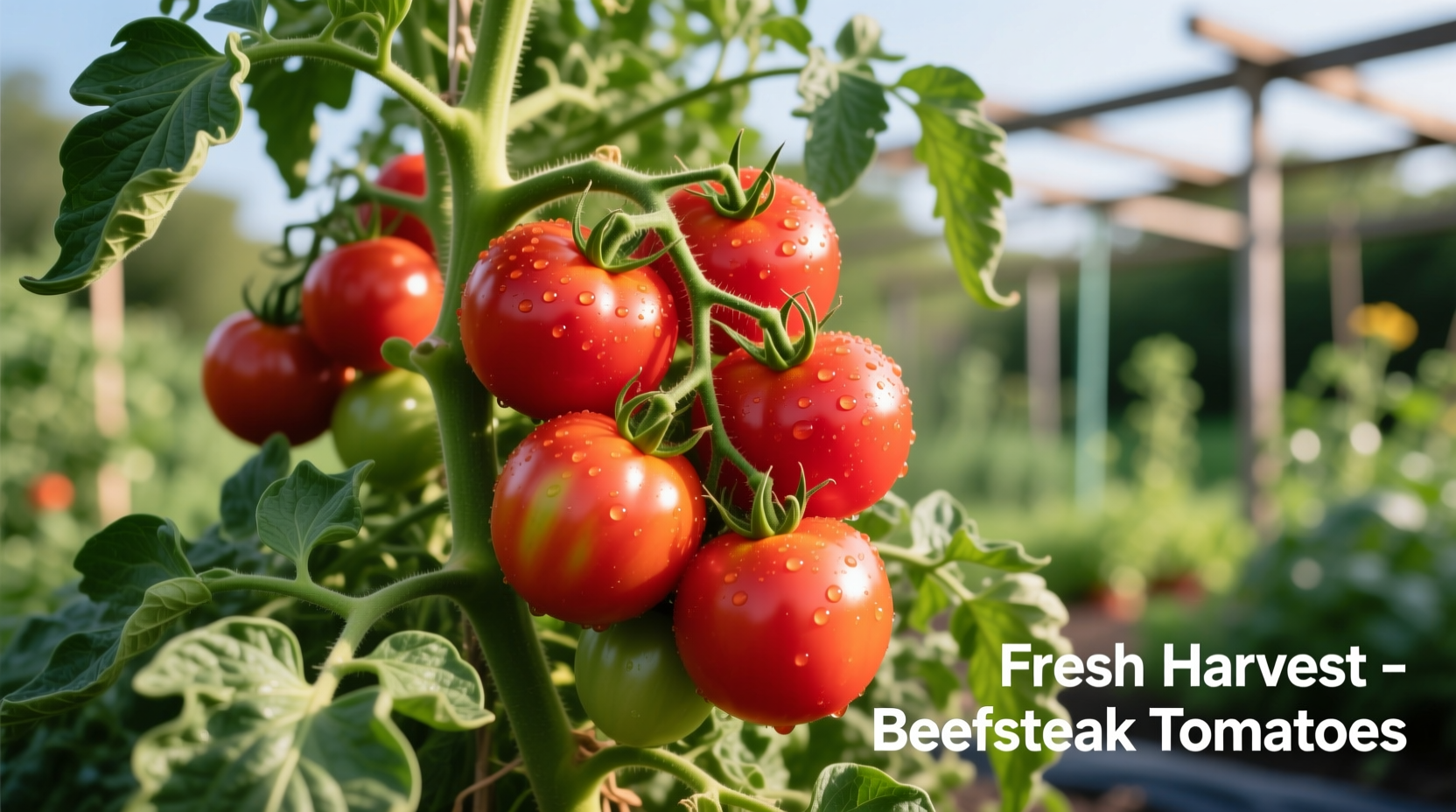
Optimal Planting Conditions for Maximum Yield
Beefsteak tomatoes thrive in specific conditions that differ slightly from other tomato varieties due to their size and growth habit:
Soil Requirements
These plants prefer slightly acidic soil with a pH between 6.2-6.8. The Oregon State University Extension notes that beefsteak varieties are particularly sensitive to calcium deficiency, which causes blossom end rot. Incorporate garden lime or crushed eggshells into planting holes to prevent this common issue.
Spacing Considerations
Due to their vigorous growth, beefsteak plants need more space than determinate varieties:
- Minimum 36 inches between plants
- 48-60 inches between rows
- Consider single plants in large containers (minimum 15-gallon size)
Essential Care Practices for Healthy Beefsteak Plants
Watering Techniques That Prevent Cracking
Inconsistent watering is the primary cause of fruit cracking in beefsteak varieties. The University of California Agriculture and Natural Resources recommends:
- 1-2 inches of water per week, applied deeply rather than frequently
- Mulching with straw or wood chips to maintain consistent soil moisture
- Watering at the base of plants in the morning to reduce disease risk
- Reducing water slightly as fruits begin to ripen to concentrate flavor
Fertilizing for Continuous Production
Beefsteak tomatoes are heavy feeders throughout their long growing season. Apply a balanced fertilizer (10-10-10) when transplanting, then switch to a low-nitrogen, high-phosphorus formula (5-10-10) once flowering begins. The American Horticultural Society notes that excessive nitrogen promotes leafy growth at the expense of fruit production in large tomato varieties.
Pruning and Support Systems
Proper support is non-negotiable for beefsteak varieties:
- Use sturdy cages rated for 100+ pounds or a Florida weave system
- Prune to 1-2 main stems by removing suckers below the first fruit cluster
- Leave 3-4 fruit clusters per stem for optimal size and quality
- Remove lower leaves that touch soil to prevent disease spread
Troubleshooting Common Beefsteak Tomato Problems
Blossom End Rot Prevention
This calcium deficiency appears as dark, sunken spots on the bottom of fruits. Prevention strategies include:
- Maintaining consistent soil moisture (fluctuations prevent calcium uptake)
- Adding calcium-rich amendments at planting time
- Avoiding high-ammonia fertilizers that interfere with calcium absorption
Blight Management
Beefsteak varieties are particularly susceptible to fungal diseases due to their dense foliage. The Cornell University Vegetable Disease Guide recommends:
- Using drip irrigation instead of overhead watering
- Applying copper-based fungicides preventatively
- Removing affected leaves immediately
- Practicing strict crop rotation (don't plant tomatoes in same spot for 3 years)
Harvesting and Enjoying Your Beefsteak Tomatoes
Unlike many fruits, tomatoes continue ripening after picking, but beefsteak varieties develop their best flavor when allowed to ripen fully on the vine. Look for these signs of peak ripeness:
- Fruit easily separates from the stem with a gentle twist
- Deep, uniform color throughout (no green shoulders)
- Slight give when gently squeezed
Store harvested tomatoes at room temperature away from direct sunlight. Refrigeration destroys flavor compounds and alters texture. For best flavor, allow tomatoes to reach room temperature before serving.
Maximizing Your Beefsteak Tomato Harvest
With proper care, a single beefsteak plant can produce 10-15 pounds of fruit over a season. The key to abundant harvests lies in understanding their extended growing season—they'll continue producing until the first frost, unlike determinate varieties that set all fruit at once.
As summer transitions to fall, remove new flowers to direct the plant's energy toward ripening existing fruit. In cooler climates, use row covers during cool nights to extend the growing season. Remember that beefsteak tomatoes need 7-10 days longer to ripen than smaller varieties, so plan accordingly.




 浙公网安备
33010002000092号
浙公网安备
33010002000092号 浙B2-20120091-4