
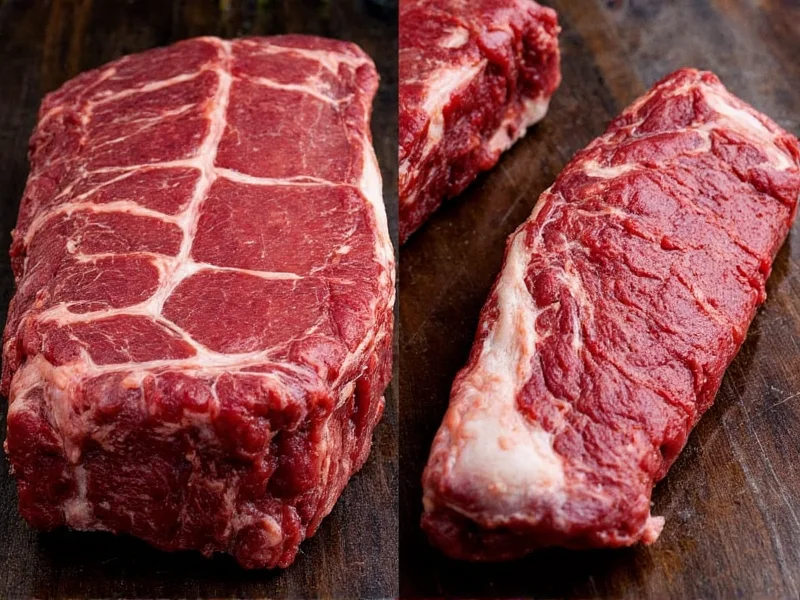
Understanding Beef Back Ribs
Beef back ribs, also known as loin ribs or rib loin, originate from the area where the rib bones connect to the spine. These ribs typically span from ribs six through twelve on the animal. What distinguishes beef back ribs is their curved bone structure and relatively lean composition. Each rack usually contains six to thirteen bones, with the meat sitting atop the bones rather than between them.
When selecting beef back ribs, look for cuts with consistent marbling and a bright red color. The meat-to-bone ratio is generally lower compared to short ribs, but the meat itself is more tender due to the less exercised muscle group. Professional butchers often remove the tough membrane from the bone side, though many home cooks prefer to leave it intact for added moisture during cooking.
Understanding Short Ribs
Short ribs come from the plate or brisket section of the cow, specifically the lower portion of the rib cage. Despite their name, short ribs actually feature shorter bone segments rather than shorter overall ribs. These cuts contain substantial meat both between and atop the bones, resulting in a higher meat-to-bone ratio than back ribs.
The distinctive characteristic of short ribs is their rich marbling and higher fat content, which translates to exceptional flavor when cooked properly. Short ribs typically come in three main styles: flanken cut (thin, across the bones), English cut (parallel to the bone), and boneless (meat removed from bones). The plate section provides the most common variety found in supermarkets, while chuck short ribs offer slightly leaner options.
| Characteristic | Beef Back Ribs | Short Ribs |
|---|---|---|
| Source on Animal | Upper rib section near spine | Lower chest/plate section |
| Bone Structure | Curved, longer bones | Shorter, thicker bones |
| Meat Composition | Leaner, more tender | Richer, fattier, more connective tissue |
| Cooking Time | 2-4 hours (grilling/smoking) | 3-6 hours (braising/slow cooking) |
| Average Price per Pound | $8-$12 | $6-$10 |
| Ideal Cooking Methods | Grilling, smoking, oven roasting | Braising, slow cooking, stewing |
Flavor and Texture Comparison
The flavor profiles between these two cuts reveal significant differences that impact cooking decisions. Beef back ribs deliver a milder beef flavor with subtle sweetness, making them ideal for recipes where you want the meat to complement rather than dominate other flavors. Their texture remains relatively tender even with moderate cooking times, though they can become dry if overcooked.
Short ribs, by contrast, offer a robust, intensely beefy flavor with rich umami notes thanks to their higher fat content and connective tissue. When properly cooked using low-and-slow methods, the collagen breaks down into gelatin, creating that signature melt-in-your-mouth texture that defines exceptional short rib dishes. This cut's forgiving nature makes it less prone to drying out during extended cooking periods.
Optimal Cooking Methods for Each Cut
Understanding the best cooking techniques for each rib type ensures you maximize their potential. For beef back ribs vs short ribs cooking methods, the fundamental difference lies in time and temperature requirements.
Beef back ribs thrive with dry-heat methods. The 3-2-1 technique (3 hours smoking, 2 hours wrapped, 1 hour sauced) works exceptionally well for these ribs. Alternatively, a simple oven roast at 275°F for 2.5-3 hours yields tender results with minimal effort. Because of their leaner composition, back ribs require careful monitoring to prevent overcooking.
Short ribs demand moist-heat cooking to break down their substantial connective tissue. A classic short ribs vs back ribs braising method involves searing the meat first, then simmering in liquid for 3-4 hours until fork-tender. Pressure cooking significantly reduces this time while maintaining texture. The Korean dish galbi showcases flanken-cut short ribs beautifully, while French-style braised short ribs demonstrate the English cut's versatility.
USDA Beef Grading Evolution: Impact on Rib Quality
The quality and availability of both cuts have been shaped by USDA grading standards. Understanding this progression explains why specific grades matter for rib preparation:
| Year | Milestone | Practical Impact on Ribs |
|---|---|---|
| 1926 | USDA establishes voluntary grading | Initial standards enabled consistent identification of well-marbled back ribs, crucial for tenderness in dry-heat cooking |
| 1933 | Grading formalized under Agricultural Adjustment Act | Standardized maturity assessment became critical for short ribs, where younger animals yield more tender connective tissue |
| 1975 | Major revision to quality grading | Explicit marbling requirements (Prime vs. Choice) directly affected short rib richness and back rib consistency |
| 2008 | Yield grade adjustments | Improved prediction of meat-to-bone ratios helped butchers optimize rib cutting for both cuts |
Source: USDA Agricultural Marketing Service: Beef Grading Standards
Price Comparison and Value Assessment
When evaluating beef back ribs cost comparison versus short ribs, several factors influence value perception. Back ribs typically command a 15-25% premium due to their more tender texture and association with premium cuts like prime rib. However, this price difference doesn't necessarily reflect better value.
Short ribs often provide better meat yield per pound despite their lower price point. The substantial meat portions between the bones translate to more edible product after cooking. Additionally, short ribs' forgiving nature means less risk of cooking mistakes that could ruin an expensive cut. For budget-conscious cooks seeking maximum flavor impact, short ribs frequently represent the better investment, especially for special occasions requiring impressive presentation.
When to Choose Which Cut
Selecting between these ribs depends on your specific culinary goals. For beef back ribs vs short ribs selection guide, consider these scenarios:
- Choose beef back ribs when: You want a quicker cooking time, prefer leaner meat, need ribs for a casual barbecue, or desire a cut that's easier to eat with fingers
- Choose short ribs when: You're preparing a special meal requiring rich flavor, have time for slow cooking, want maximum meat yield, or plan to serve in an elegant presentation (like boneless short rib roulades)
For weeknight dinners, beef back ribs offer convenience with their shorter cooking requirements. When hosting guests or preparing holiday meals, short ribs' dramatic presentation and intense flavor often justify the extra preparation time. Understanding these distinctions helps you make informed choices whether you're shopping at your local butcher or planning your next culinary project.
Contextual Boundaries: Optimal Use Cases and Limitations
Meat science research identifies specific scenarios where each cut excels or fails. Texas A&M's meat quality studies reveal critical boundaries:
| Cut | Optimal Conditions | Critical Limitations |
|---|---|---|
| Beef Back Ribs |
|
|
| Short Ribs |
|
|
Source: Texas A&M AgriLife Extension: Beef Cut Quality Guidelines
Buying Tips for Both Cuts
When selecting either cut, look for specific quality indicators. For beef back ribs, seek consistent marbling throughout the meat portion and avoid cuts with excessive hard fat deposits. The bones should appear clean with minimal discoloration. Since back ribs often come vacuum-sealed, check for excessive liquid in the package, which may indicate older product.
With short ribs, examine the meat-to-fat ratio—ideal cuts show generous marbling without large chunks of hard fat. The meat should feel firm to the touch and maintain a deep red color. For English-cut short ribs, ensure the meat portions are substantial (at least 1 inch thick). When purchasing flanken-cut ribs, verify the slices are uniform in thickness for even cooking. Both cuts benefit from dry-aged options when available, as the aging process enhances tenderness and flavor complexity.




 浙公网安备
33010002000092号
浙公网安备
33010002000092号 浙B2-20120091-4