
Discover why the Beauregard sweet potato has become America's favorite variety and how you can maximize its potential in your garden and kitchen. Whether you're a home gardener looking to grow your own crop or a cooking enthusiast wanting to make the most of this nutritious root vegetable, this comprehensive guide delivers practical insights you can use immediately.
What Makes Beauregard Sweet Potatoes Special
Developed through careful breeding at the LSU AgCenter, the Beauregard variety (named after a Louisiana Civil War general) quickly became the dominant commercial sweet potato in the United States due to its exceptional characteristics. Unlike many heirloom varieties, Beauregard offers consistent performance across multiple growing regions while maintaining that signature sweet potato flavor consumers love.
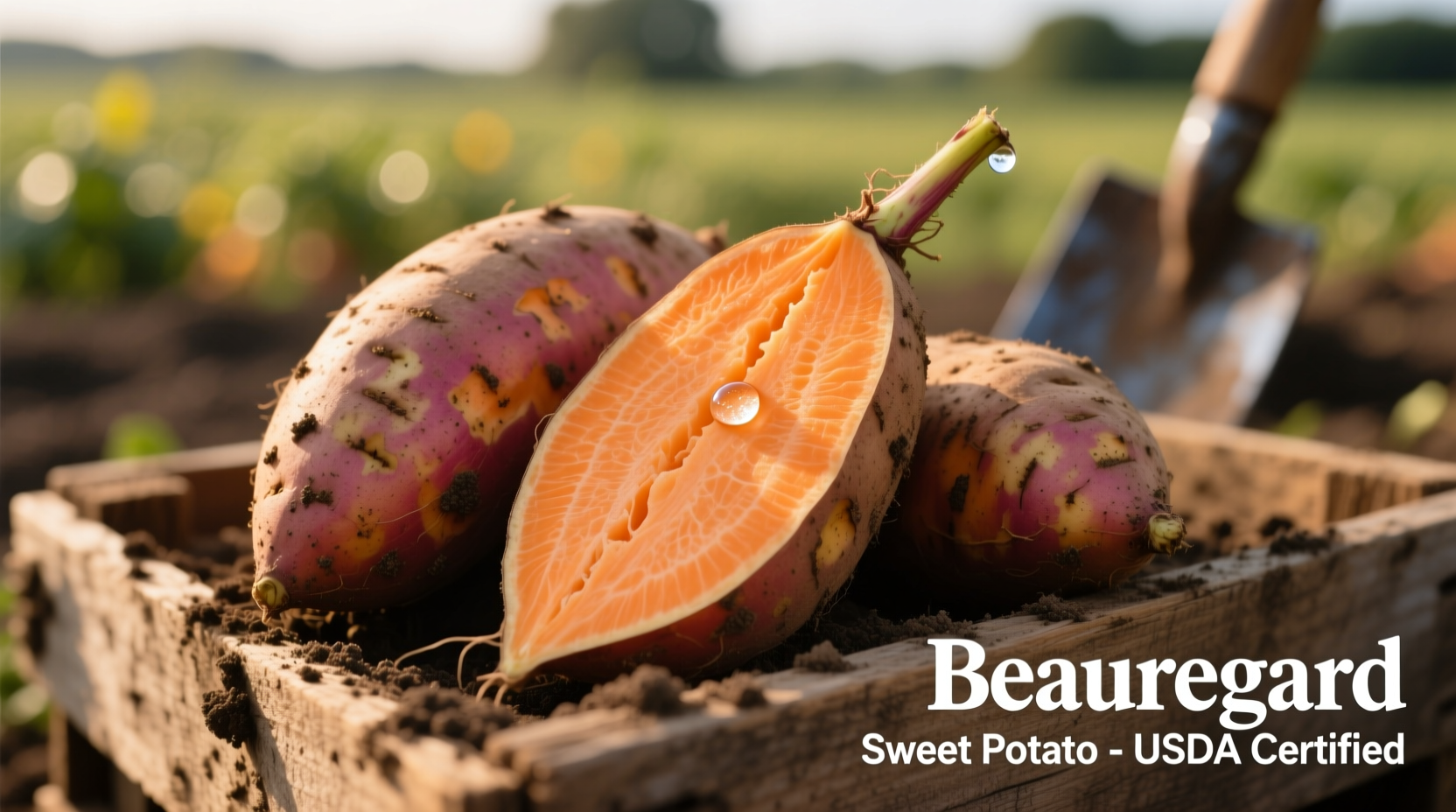
One key advantage of Beauregard sweet potatoes is their relatively short growing season of 90-100 days, making them accessible to gardeners in more temperate climates. Their vigorous vines produce high yields of uniform roots with smooth, deep copper-colored skin that's easy to peel. When cooked, Beauregard sweet potatoes reveal their brilliant orange flesh that's both moist and exceptionally sweet.
| Variety | Skin Color | Flesh Color | Growing Season | Sweetness Level |
|---|---|---|---|---|
| Beauregard | Deep copper | Bright orange | 90-100 days | ★★★★★ |
| Jewel | Rusty red | Orange | 100-110 days | ★★★★☆ |
| Garnet | Red | Deep orange | 100 days | ★★★★☆ |
| Covington | Light copper | Orange | 90-100 days | ★★★★☆ |
Beauregard Sweet Potato Development Timeline
The history of the Beauregard sweet potato represents decades of agricultural research aimed at improving crop resilience and quality. Understanding this timeline helps explain why Beauregard has become the industry standard:
- 1977: LSU AgCenter begins cross-breeding program to develop improved sweet potato varieties
- 1981: Initial crosses produce promising experimental lines with enhanced disease resistance
- 1987: Official release of Beauregard variety after extensive field testing across southern states
- 1990s: Rapid adoption by commercial growers due to high yields and consistent quality
- 2009: USDA recognizes Beauregard as the most widely planted sweet potato variety in the United States
- Present: Accounts for approximately 70% of U.S. sweet potato production according to LSU AgCenter data
Growing Beauregard Sweet Potatoes Successfully
For home gardeners interested in cultivating Beauregard sweet potatoes, understanding their specific requirements is crucial for success. Unlike regular potatoes, sweet potatoes grow from "slips" - rooted sprouts grown from mature sweet potatoes.
Beauregard performs best in well-drained, sandy loam soils with a pH between 5.5 and 6.5. They require full sun and warm temperatures, with soil temperatures above 65°F (18°C) for proper root development. Plant slips 12-18 inches apart in rows spaced 3-4 feet apart, burying them up to the first set of leaves.
One important consideration when growing Beauregard is their vulnerability to certain soil-borne diseases. To prevent issues like fusarium wilt, practice crop rotation and avoid planting in areas where tomatoes, peppers, or eggplants grew in the previous two years. The LSU AgCenter recommends applying a balanced fertilizer at planting time and again 4-6 weeks later for optimal yields.
Nutritional Powerhouse: Beauregard's Health Benefits
Beauregard sweet potatoes offer impressive nutritional benefits that make them a valuable addition to any diet. According to USDA FoodData Central, a medium Beauregard sweet potato (approximately 130g) provides:
- Over 400% of the daily recommended value of vitamin A (as beta-carotene)
- Nearly 40% of daily vitamin C needs
- Approximately 15% of daily potassium requirements
- Substantial dietary fiber (about 3 grams)
- Only 100 calories with complex carbohydrates for sustained energy
The vibrant orange flesh of Beauregard sweet potatoes indicates high beta-carotene content, which the body converts to vitamin A. This powerful antioxidant supports eye health, immune function, and skin integrity. Unlike some processed sweet potato products, whole Beauregard sweet potatoes contain no added sugars and provide nutrients in their most natural form.
Culinary Applications and Cooking Techniques
The Beauregard variety's balanced sweetness and moist texture make it exceptionally versatile in the kitchen. Professional chefs favor Beauregard for both savory and sweet applications due to its consistent quality and rich flavor profile.
For optimal flavor development, try these cooking methods:
- Roasting: Cut into wedges and roast at 400°F (200°C) for 25-30 minutes to caramelize natural sugars
- Steaming: Preserves more nutrients than boiling; ideal for baby food or purees
- Air Frying: Creates crispy edges while maintaining moist interior
- Grilling: Slice lengthwise and grill for smoky flavor enhancement
When substituting Beauregard sweet potatoes in recipes calling for other varieties, note that their higher moisture content may require slight adjustments to cooking times or liquid ingredients. Their natural sweetness means you can often reduce added sugars in baked goods by 25% without compromising flavor.
Storage and Selection Guidelines
Proper storage significantly impacts the quality and shelf life of Beauregard sweet potatoes. Unlike regular potatoes, sweet potatoes require specific conditions to maintain their texture and sweetness.
When selecting Beauregard sweet potatoes at the market, look for firm roots with smooth, unblemished skin. Avoid specimens with soft spots, cracks, or signs of sprouting. The ideal Beauregard should feel heavy for its size, indicating high moisture content and freshness.
For storage, keep Beauregard sweet potatoes in a cool, dark, well-ventilated place at 55-60°F (13-16°C). Never refrigerate them, as cold temperatures convert starches to sugars too quickly, resulting in an unpleasant texture. Properly stored, Beauregard sweet potatoes maintain quality for 3-5 weeks. If you notice any soft spots developing, use those potatoes immediately as they're beginning to spoil.
Regional Adaptation and Limitations
While Beauregard sweet potatoes perform well across much of the United States, understanding their regional limitations helps gardeners set realistic expectations. According to agricultural research from the LSU AgCenter, Beauregard shows optimal performance in USDA hardiness zones 7-11, where the growing season provides sufficient warmth.
In cooler northern climates (zones 3-6), gardeners can still grow Beauregard successfully with some adaptations:
- Start slips indoors 6-8 weeks before last frost date
- Use black plastic mulch to warm soil
- Choose a south-facing location for maximum sun exposure
- Consider container growing for better temperature control
Beauregard's main limitation in northern regions is the shorter growing season, which may result in smaller root size. However, the variety's relatively quick maturation (90-100 days) makes it one of the more viable options for northern gardeners compared to longer-season varieties.
Common Questions About Beauregard Sweet Potatoes
Here are answers to frequently asked questions about this popular sweet potato variety:




 浙公网安备
33010002000092号
浙公网安备
33010002000092号 浙B2-20120091-4