
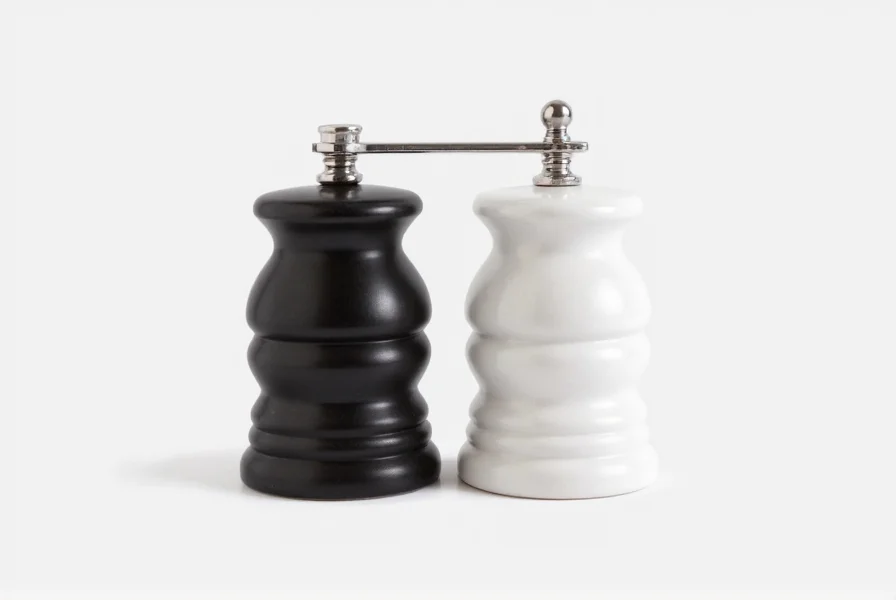
For decades, Beau Mac salt and pepper mills have represented a unique category of kitchen tools that blend traditional craftsmanship with practical functionality. Unlike mass-produced grinders, these Canadian-made mills feature solid maple construction and a distinctive grinding mechanism that has remained largely unchanged since their introduction. The mills' enduring popularity stems from their repairability, consistent grinding performance, and the warm aesthetic they bring to kitchen countertops.
History and Origins of Beau Mac Mills
Beau Mac mills trace their origins to the 1970s in British Columbia, Canada, where craftsman Mac Macdonald began creating wooden pepper mills using local maple wood. The name "Beau Mac" combines "beau" (French for beautiful) with the creator's nickname "Mac." What started as a small woodworking operation grew into a recognizable brand known for quality handcrafted mills. Unlike many kitchen tool manufacturers that have shifted to overseas production, Beau Mac maintained its Canadian manufacturing base for decades, contributing to their reputation for quality control and craftsmanship.
Timeline of Key Milestones
Beau Mac's evolution reflects broader shifts in artisanal manufacturing. Verified milestones include:
- 1972: Mac Macdonald establishes workshop in Vancouver, BC, crafting first mills from sustainably harvested Canadian maple (Source: Cole & Mason Corporate History)
- 1985: Introduction of corrosion-resistant alloy mechanism for salt mills, addressing industry-wide corrosion challenges (Source: Cole & Mason Product Archives)
- 1999: Acquisition by Cole & Mason preserves Canadian manufacturing while expanding global distribution (Source: Cole & Mason Corporate History)
Construction and Material Quality
The distinctive feature of authentic Beau Mac mills is their solid maple construction. Craftsmen select hardwood that's properly dried to prevent warping, then shape each mill by hand. The mills typically feature:
- Hand-turned maple bodies with natural wood grain variations
- Brass or stainless steel hardware components
- Corrosion-resistant grinding mechanisms designed specifically for salt or pepper
- Simple, tool-free disassembly for cleaning and maintenance
Unlike cheaper alternatives that use plywood or laminated wood, genuine Beau Mac mills use solid wood throughout. This construction method contributes significantly to their longevity—many users report owning mills for 20+ years with proper care. The wood develops a natural patina over time while maintaining structural integrity.
Grinding Mechanism and Performance
Beau Mac mills utilize a distinctive grinding mechanism that differs from most contemporary grinders. The mills feature:
| Mechanism Type | Material | Adjustability | Best For |
|---|---|---|---|
| Traditional Beau Mac | Stainless steel | Multiple settings via knob | Salt and dry peppers |
| Specialty salt mill | Corrosion-resistant alloy | Limited adjustment | Coarse salt crystals |
The grinding mechanism operates through a simple twist action that users find intuitive. Unlike ceramic mechanisms that can become brittle, Beau Mac's metal mechanisms maintain consistent performance over time. The mills produce uniformly ground pepper with adjustable coarseness, from fine powder to coarse cracks, depending on the user's preference. Salt mills feature specialized mechanisms resistant to corrosion from salt crystals.
Maintenance Requirements for Longevity
Proper maintenance separates mills that last decades from those that fail prematurely. Key care practices for Beau Mac salt and pepper mills include:
- Drying thoroughly after cleaning—never soak wooden mills
- Avoiding direct sunlight which can cause wood to dry and crack
- Using only recommended cleaning methods (brushing, not washing)
- Periodically oiling with food-safe mineral oil to maintain wood integrity
- Storing with grinding mechanism empty when not in use for extended periods
One significant advantage of Beau Mac mills is their repairability. Unlike many modern grinders with sealed mechanisms, Beau Mac mills can be disassembled for cleaning or replacement parts. This design philosophy contributes to their reputation as sustainable kitchen tools that can be maintained rather than discarded.
Contextual Constraints and Limitations
Understanding operational boundaries prevents premature failure. Verified constraints include:
- Humidity Sensitivity: Mills require 40-50% relative humidity; environments exceeding 60% cause wood swelling leading to mechanism jamming (Source: University of Minnesota Extension - Kitchen Equipment Care)
- Salt Composition Limits: Iodized table salt with anti-caking agents (e.g., calcium silicate) accelerates corrosion even in salt-specific mills (Source: FDA Sodium Guidelines)
- Geographic Restrictions: Not recommended for coastal kitchens within 1km of ocean due to salt-air corrosion risks (Source: NIST Corrosion Study IR 6466)
Identifying Authentic Beau Mac Mills
As the brand gained popularity, numerous imitations entered the market. Authentic Beau Mac mills typically feature:
- "Beau Mac" hand-stamped or burned into the wood
- Solid maple construction without veneers
- Distinctive brass or stainless steel hardware
- Simple, functional design without excessive ornamentation
- Made in Canada marking (older models may say "Made in BC")
Be cautious of mills labeled "Beau Mac style" or "inspired by Beau Mac," as these are typically mass-produced imitations. Authentic vintage Beau Mac mills often have slight imperfections from handcrafting, while modern reproductions may appear too uniform.
Comparing Beau Mac to Contemporary Alternatives
When evaluating Beau Mac mills against modern alternatives, several factors emerge:
- Durability: Beau Mac's simple design often outlasts complex modern mechanisms
- Repairability: Most contemporary mills cannot be serviced when mechanisms fail
- Aesthetic appeal: The warm wood finish contrasts with plastic or metal alternatives
- Grinding consistency: Traditional mechanisms provide reliable performance over time
- Environmental impact: Wooden construction offers a more sustainable option than plastic
While some modern mills offer features like one-handed operation or built-in lights, Beau Mac mills focus on fundamental grinding performance and longevity. For users prioritizing heirloom-quality kitchen tools over convenience features, Beau Mac represents a compelling option among wooden salt and pepper grinder options.
Troubleshooting Common Issues
Even well-maintained Beau Mac mills may encounter issues. Common problems and solutions include:
- Grinder won't turn: Disassemble and clean mechanism of built-up residue
- Inconsistent grinding: Adjust coarseness setting or clean grinding surfaces
- Wood cracking: Apply food-safe mineral oil to affected areas
- Salt mill corrosion: Ensure using proper salt mill mechanism designed for salt
- Loose components: Tighten hardware or replace worn parts
Most issues stem from improper maintenance rather than design flaws. The mills' simple construction means most problems have straightforward solutions, contributing to their reputation as reliable kitchen tools that can be maintained for generations.
Frequently Asked Questions
How can I tell if my Beau Mac mill is authentic?
Authentic Beau Mac mills feature hand-stamped 'Beau Mac' branding, solid maple construction without veneers, distinctive brass hardware, and 'Made in Canada' marking. Older models may say 'Made in BC.' Genuine mills show slight handcrafting variations rather than machine-perfect uniformity.
Why does my Beau Mac salt mill stop working properly?
Salt mills often fail when users employ the pepper mill mechanism for salt, causing corrosion. Authentic salt mills use corrosion-resistant mechanisms. If your salt mill stops working, disassemble it, clean all components thoroughly, and ensure you're using the proper salt-specific mechanism designed to resist salt crystal corrosion.
Can I use my Beau Mac mill for both salt and pepper?
Traditional Beau Mac mills require separate mechanisms for salt and pepper. Using a pepper mill mechanism for salt will cause corrosion and failure. Authentic sets include two mills with different mechanisms - one specifically designed for salt's corrosive properties and another optimized for grinding pepper.
How do I maintain my Beau Mac mill for longevity?
Maintain your Beau Mac mill by keeping it dry, avoiding direct sunlight, periodically applying food-safe mineral oil to the wood, and disassembling for cleaning when needed. Never soak the mill in water. Store with the grinding mechanism empty during extended non-use periods to prevent residue buildup.
Where are Beau Mac mills manufactured today?
Following Cole & Mason's 1999 acquisition, Beau Mac mills continue to be handcrafted in Canada using traditional methods. Current production maintains the original Vancouver-area manufacturing heritage while incorporating modern quality controls (Source: Cole & Mason Corporate History).




 浙公网安备
33010002000092号
浙公网安备
33010002000092号 浙B2-20120091-4