
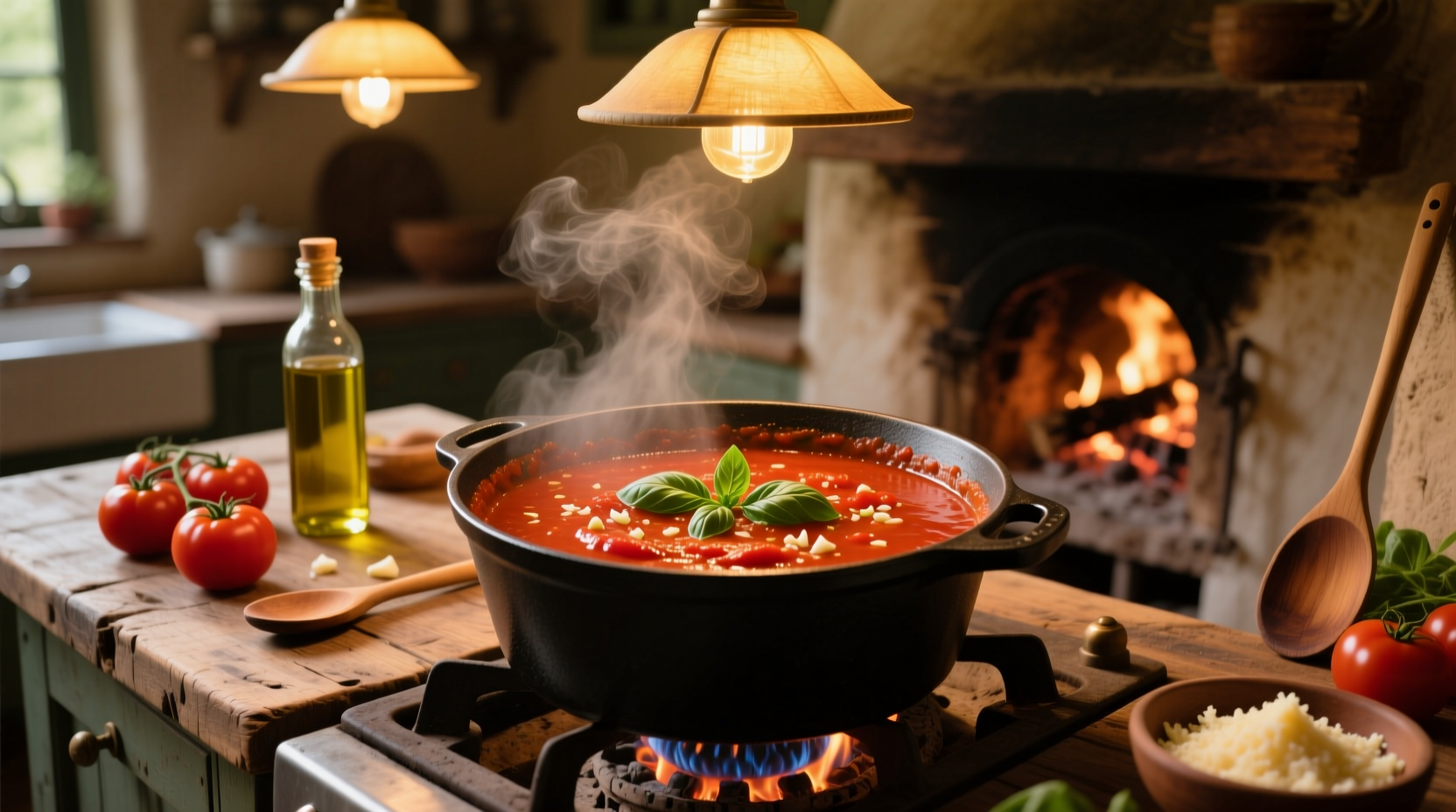
Make a delicious basic homemade tomato sauce in just 30 minutes with 6 simple ingredients. This authentic Italian-style sauce requires no sugar, uses pantry staples, and delivers restaurant-quality flavor for pasta, pizza, or dipping.
Creating a perfect basic homemade tomato sauce doesn't require special skills or exotic ingredients. As a chef who's cooked in both Michelin-starred restaurants and home kitchens, I've found that the simplest recipes often yield the most authentic flavors. This straightforward approach to tomato sauce gives you complete control over ingredients while delivering rich, balanced flavor that store-bought versions can't match.
Why This Basic Tomato Sauce Works Every Time
Most commercial tomato sauces contain unnecessary additives and sugar to mask inferior ingredients. When you make your own basic homemade tomato sauce, you control the quality and flavor profile. The secret lies in understanding how tomatoes transform during cooking - their natural sugars concentrate while acids mellow, creating perfect balance without added sweeteners.
| Tomato Variety | Best For | Flavor Profile |
|---|---|---|
| San Marzano DOP | Classic Italian sauces | Sweet, low acidity, meaty flesh |
| Roma | Everyday cooking | Balanced sweetness, firm texture |
| Plum | Thicker sauces | Concentrated flavor, less juice |
| Canned Whole Peeled | Year-round consistency | Preserved peak-season flavor |
Essential Ingredients for Authentic Flavor
The magic of a basic homemade tomato sauce comes from quality ingredients working together. You only need six components:
- 28 oz (800g) canned whole peeled San Marzano tomatoes (DOP certified preferred)
- 2 tablespoons extra virgin olive oil
- 3-4 fresh garlic cloves, lightly crushed
- 1 small onion, finely diced
- Handful of fresh basil leaves
- Kosher salt to taste
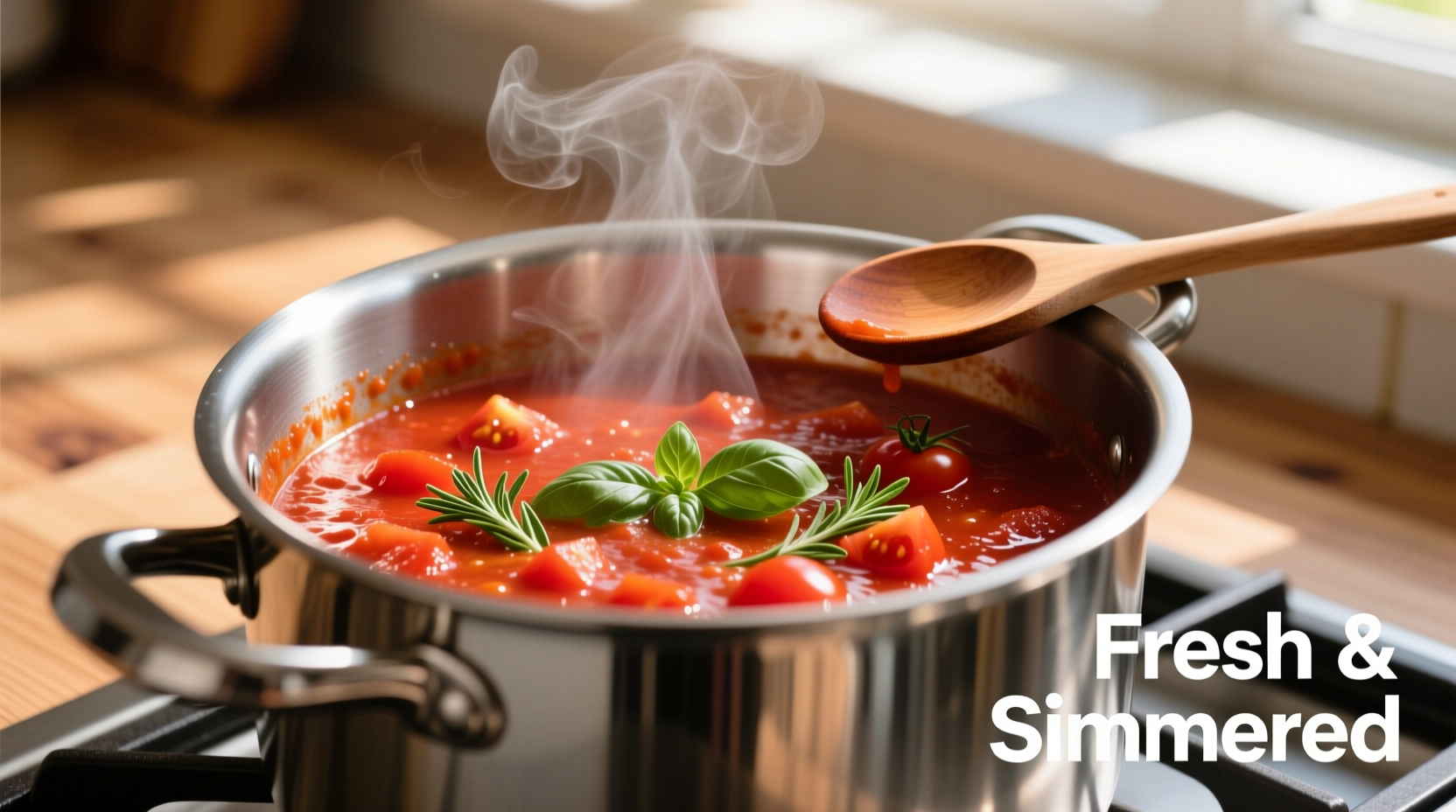
Step-by-Step Preparation Guide
Follow these professional techniques to create restaurant-quality sauce at home:
- Build the flavor foundation: Heat olive oil in a heavy-bottomed pot over medium-low heat. Add garlic and onion, cooking slowly until translucent (about 8 minutes). Don't rush this step - proper sweating develops sweetness without browning.
- Add tomatoes carefully: Pour in whole peeled tomatoes, including their juice. Use your hands to crush tomatoes directly into the pot for better texture control.
- Simmer with patience: Bring to a gentle simmer, then reduce heat to low. Add basil and a pinch of salt. Partially cover and cook for 25-30 minutes, stirring occasionally.
- Finish with finesse: Remove garlic cloves and basil stems. For smoother texture, use an immersion blender for 10-15 seconds. Adjust salt to taste.
Avoid These Common Tomato Sauce Mistakes
Even experienced cooks make these errors when preparing basic homemade tomato sauce:
- High-heat cooking: Boiling destroys delicate tomato flavors. Maintain a gentle simmer throughout.
- Adding sugar unnecessarily: Quality tomatoes don't need sugar. If your sauce tastes too acidic, add a small piece of carrot instead.
- Over-blending: Blending too much creates a foamy texture. Pulse briefly for ideal consistency.
- Using dried basil: Fresh basil provides brighter flavor that complements tomatoes perfectly.
When to Use This Basic Sauce (And When Not To)
Understanding context boundaries helps you maximize this recipe's versatility:
- Perfect for: Weeknight pasta, pizza bases, eggplant parmesan, and as a dipping sauce for breadsticks
- Modify for: Meat sauces (add cooked ground meat after step 1), arrabbiata (add red pepper flakes with garlic)
- Not ideal for: Dishes requiring thick, concentrated tomato paste or complex marinara with multiple herbs
Storage and Usage Tips
Preserve your basic homemade tomato sauce's freshness with these professional techniques:
- Cool completely before storing in airtight containers
- Refrigerate for up to 5 days or freeze in portion-sized containers for 3 months
- When reheating, add a splash of water to restore ideal consistency
- Double your batch - homemade sauce freezes exceptionally well
Simple Variations to Elevate Your Sauce
Once you've mastered the basic homemade tomato sauce, try these authentic Italian variations:
- Puttanesca style: Add 5 olives, 2 anchovy fillets, and 1 tablespoon capers with the tomatoes
- Garden fresh: Stir in 1/2 cup finely diced bell peppers and zucchini during the last 10 minutes
- Roasted garlic: Substitute regular garlic with 1 whole roasted garlic bulb for deeper flavor
Tomato Sauce Through the Ages
Understanding the historical context enhances appreciation for this simple sauce:
- 16th Century: Tomatoes introduced to Europe from the Americas, initially considered poisonous
- 18th Century: First documented tomato sauce recipes appear in Italian cookbooks
- 1840s: Antonio Latini's cookbook describes "salsa di pomodoro" as a regional specialty
- 20th Century: Canning technology makes tomato sauce accessible year-round
- Today: San Marzano tomatoes receive DOP protected status in Italy
Final Thoughts
A perfect basic homemade tomato sauce proves that exceptional flavor comes from quality ingredients and proper technique, not complexity. By mastering this fundamental recipe, you'll have a versatile kitchen staple that elevates countless dishes. Remember that the best sauces develop their flavor gradually - patience during cooking makes all the difference. Keep this simple recipe in your repertoire for those times when you need authentic Italian flavor without unnecessary ingredients.




 浙公网安备
33010002000092号
浙公网安备
33010002000092号 浙B2-20120091-4