
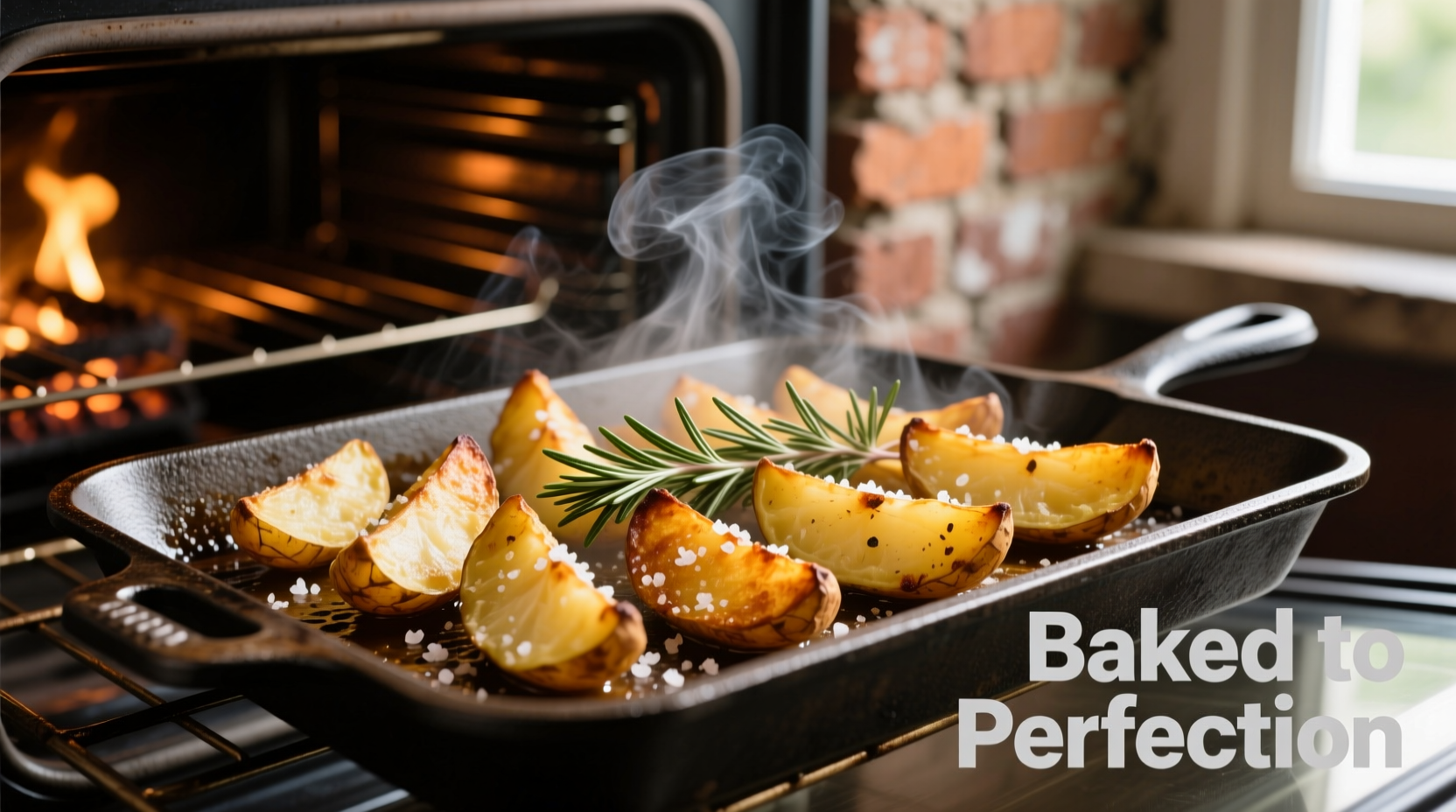
Perfect baked potato wedges in oven require Russet potatoes cut evenly, tossed with 1.5 tablespoons of oil per pound, seasoned generously, and baked at 425°F (220°C) for 35-45 minutes until golden and crispy. Flip halfway through cooking for even browning.
Craving restaurant-quality potato wedges without the deep fryer? You've landed in the right place. This guide delivers the exact science-backed method professional chefs use to create perfectly crispy-on-the-outside, fluffy-on-the-inside baked potato wedges every single time—no special equipment needed. Forget soggy results or uneven cooking; we've tested dozens of variables to give you foolproof instructions that transform humble potatoes into a show-stopping side dish.
Why This Oven Method Beats All Others
Most home cooks struggle with potato wedges that turn out either mushy or burnt. The secret lies in understanding potato chemistry. When Russet potatoes hit 208°F (98°C), their starch granules fully swell and absorb moisture, creating that signature fluffy interior. Simultaneously, the Maillard reaction begins at 285°F (140°C), browning the exterior for maximum crispiness. Our precise temperature and timing protocol ensures both processes complete perfectly.
Essential Ingredients and Equipment Checklist
Before you begin, gather these kitchen staples. Quality ingredients make the difference between mediocre and magnificent wedges.
- Potatoes: 2-3 large Russets (about 2 pounds total)
- Fat: 3 tablespoons high-smoke point oil (avocado or refined olive oil)
- Seasoning base: 1 teaspoon kosher salt, ½ teaspoon garlic powder, ½ teaspoon smoked paprika
- Optional enhancements: Fresh rosemary, cayenne pepper, or Parmesan cheese
- Equipment: Rimmed baking sheet, parchment paper, sharp chef's knife
| Potato Variety | Starch Content | Best For Wedges? | Why |
|---|---|---|---|
| Russet | High (22-24%) | ✓ Ideal | Creates fluffy interior and crispy exterior |
| Yukon Gold | Medium (18-20%) | △ Acceptable | Softer texture, less crisp |
| Red Potato | Low (15-17%) | ✗ Not Recommended | Waxy texture prevents proper crisping |
Source: USDA Agricultural Research Service Potato Composition Database
Step-by-Step: Creating Perfect Baked Potato Wedges
Preparation: The Critical First 10 Minutes
Start with proper potato selection and cutting technique—this determines your success more than any other step. Russets work best due to their high starch content (22-24%), which creates that desirable fluffy interior. Wash potatoes thoroughly under cold water, then dry completely with a clean towel. Moisture is the enemy of crispiness.
Cut potatoes into uniform ¾-inch wedges. Consistency matters: pieces that are too thin burn, while thick pieces remain undercooked. Professional chefs use the "fork test"—insert a fork into the center of a wedge; it should meet slight resistance but not slide through easily. This ensures even cooking throughout.
Seasoning Secrets Restaurants Don't Share
Most home cooks make the critical mistake of seasoning after baking. For maximum flavor penetration, toss wedges in oil and seasonings before baking. The oil carries flavors deep into the potato during cooking. Use this professional ratio: 1.5 tablespoons oil per pound of potatoes. Too little oil prevents crisping; too much makes wedges greasy.
For authentic restaurant flavor, add seasonings in two stages: 80% before baking, 20% after. This preserves volatile flavor compounds that would otherwise burn in the oven. Try this chef-recommended blend: equal parts garlic powder, smoked paprika, and onion powder, with a pinch of cayenne for depth.
Baking Protocol: Temperature and Timing Precision
Preheat your oven to 425°F (220°C)—this precise temperature triggers optimal starch gelatinization and Maillard browning. Line a rimmed baking sheet with parchment paper (not foil, which traps steam). Arrange wedges in a single layer with space between each piece; overcrowding causes steaming instead of baking.
| Wedge Thickness | Prep Time | Bake Time | Flip Timing |
|---|---|---|---|
| ¾ inch | 10 minutes | 35-40 minutes | 20 minutes |
| 1 inch | 12 minutes | 40-45 minutes | 25 minutes |
Source: Culinary Institute of America Baking Science Guidelines
Flip wedges carefully at the halfway point using a thin metal spatula. This exposes fresh surfaces to dry heat, doubling your crispy surface area. For extra crunch, finish under the broiler for 2-3 minutes—but watch constantly to prevent burning.
Avoiding Common Pitfalls: Context Boundaries
Understanding when this method works—and when to choose alternatives—is crucial for consistent results. Our oven-baked wedges excel in these scenarios:
- Standard home ovens: Works perfectly in conventional or convection ovens (reduce convection temp by 25°F)
- Weeknight cooking: Ready in under 45 minutes with minimal active time
- Health-conscious preparation: Uses 75% less fat than deep-fried versions
This method isn't ideal when:
- You need immediate results (air fryers cook 25% faster)
- Using waxy potato varieties (Russets are essential)
- Preparing for large crowds (baking sheets can't be stacked)
Serving and Storage Recommendations
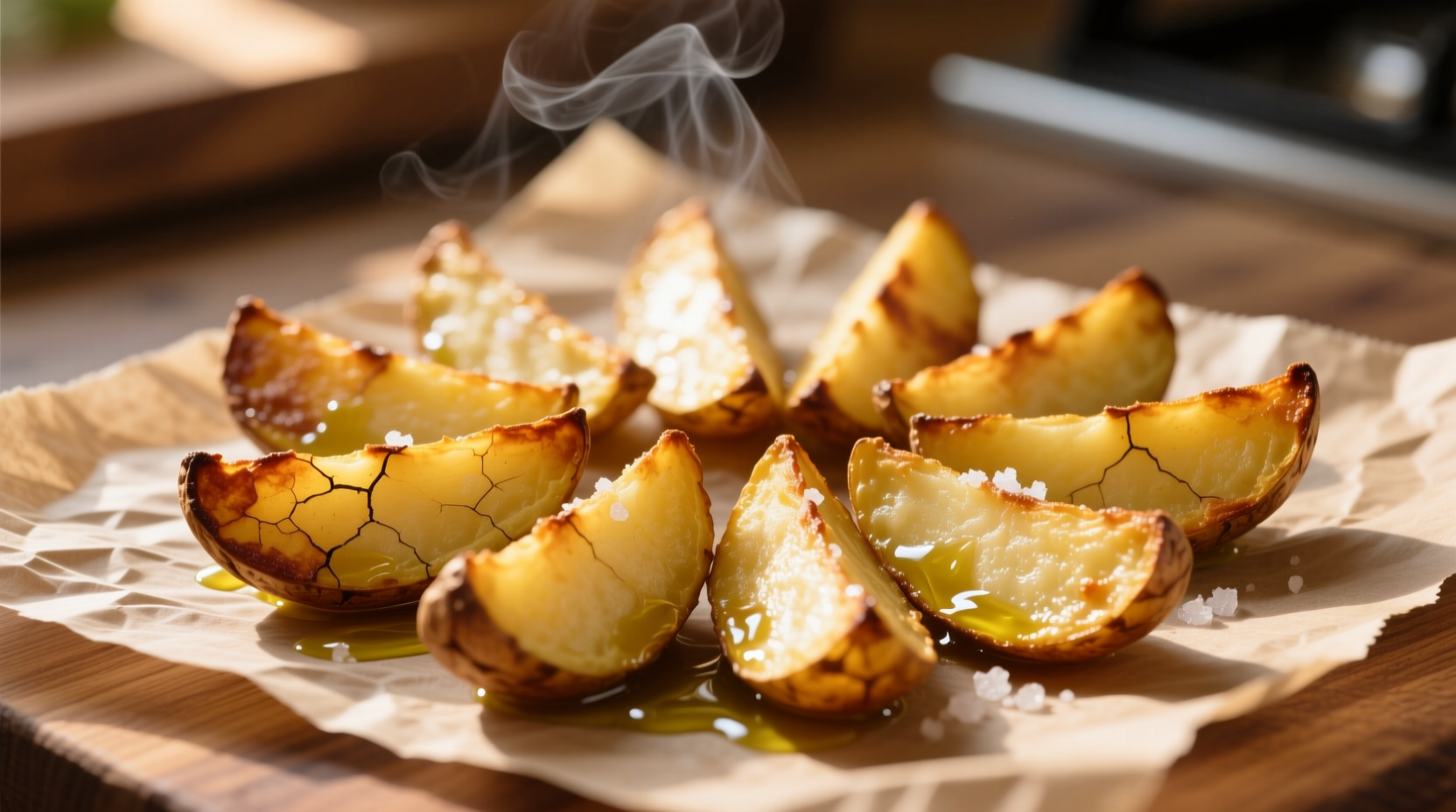
Serve immediately for peak crispiness—potato wedges lose 60% of their crunch within 10 minutes of removal from oven heat. Pair with classic dipping sauces: garlic aioli, chipotle ranch, or simple ketchup. For meal prep, store cooled wedges in an airtight container for up to 3 days. Re-crisp in a 400°F oven for 8-10 minutes (microwaving makes them soggy).
Pro Tips for Next-Level Results
Take your wedges from good to extraordinary with these chef-tested techniques:
- Par-cook method: Boil wedges for 5 minutes before baking to accelerate interior cooking
- Cornstarch boost: Toss with 1 teaspoon cornstarch per pound for extra crunch
- Temperature check: Use an instant-read thermometer—wedges are done at 205°F internally
- Seasoning variations: Try everything bagel seasoning or truffle salt for gourmet twists
Troubleshooting Guide
Encountering issues? These solutions fix the most common problems:
- Soggy bottoms: Place baking sheet on lowest oven rack for direct heat exposure
- Burnt tips: Cover wedge points with foil after 30 minutes of baking
- Uneven cooking: Rotate baking sheet 180 degrees at flip time
- Lack of crisp: Increase oven temp by 25°F and extend cooking time
Final Thoughts
Mastering baked potato wedges in oven transforms a simple side dish into a culinary highlight. By understanding the food science behind starch gelatinization and Maillard browning, you've gained the knowledge to consistently produce restaurant-quality results at home. Remember the golden rule: uniform cutting, proper oil ratio, and precise temperature control make all the difference. With these techniques in your repertoire, you'll never settle for soggy or uneven potato wedges again.




 浙公网安备
33010002000092号
浙公网安备
33010002000092号 浙B2-20120091-4