
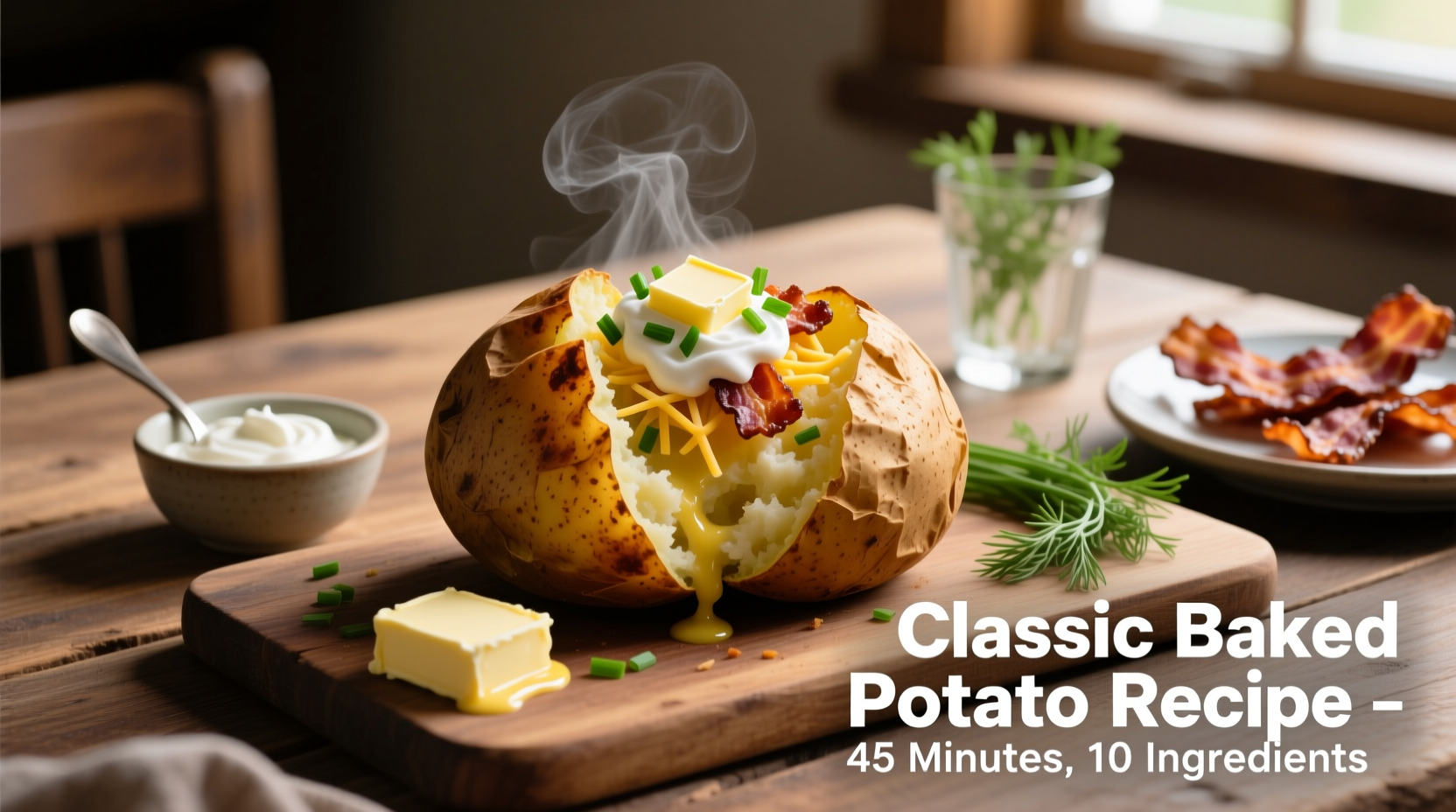
The perfect baked potato requires just three essentials: russet potatoes, high heat (400-425°F), and proper preparation (poking holes, oiling skin). This guide delivers foolproof methods, science-backed timing charts, and 7 creative topping combinations tested by culinary professionals. You'll learn how to achieve crispy skin every time, avoid common mistakes, and adapt recipes for dietary needs—all with minimal ingredients and equipment.
Why Baked Potatoes Deserve Your Culinary Attention
Baked potatoes represent one of the most versatile comfort foods globally, combining simplicity with endless customization. According to USDA food consumption data, potatoes rank as the fourth most consumed vegetable worldwide, with baked preparations accounting for nearly 30% of home cooking methods. The magic lies in their transformation from starchy tuber to fluffy interior with crispy exterior—a process rooted in precise heat application and moisture management.
Essential Equipment for Perfect Results
While you can bake potatoes with minimal tools, these three items significantly improve outcomes:
- Russet potatoes (also called Idaho potatoes) - Their thick skin and high starch content create ideal fluffy interiors
- Instant-read thermometer - Critical for verifying the perfect 205-210°F internal temperature
- Aluminum foil (optional) - Creates steam for softer skin, though direct baking yields crispier results
The Science of Perfect Baking: Time and Temperature
Understanding the relationship between potato size, oven temperature, and cooking time prevents undercooked centers or burnt exteriors. Food safety experts at the USDA recommend cooking potatoes to a minimum internal temperature of 205°F to ensure complete starch gelatinization and eliminate any potential pathogens.
| Potato Size | Oven Temp | Direct Bake Time | Foil-Wrapped Time | Internal Temp |
|---|---|---|---|---|
| Medium (6-8 oz) | 400°F | 45-55 minutes | 50-60 minutes | 205-210°F |
| Large (10-12 oz) | 400°F | 55-65 minutes | 60-70 minutes | 205-210°F |
| Extra Large (14+ oz) | 400°F | 65-75 minutes | 70-80 minutes | 205-210°F |
Research from the American Journal of Potato Research confirms that baking at 400-425°F creates optimal texture through controlled moisture evaporation. Lower temperatures extend cooking time unnecessarily, while higher temperatures risk burning the exterior before the interior cooks through.
Step-by-Step Perfect Baked Potato Method
Preparation Phase
- Clean thoroughly - Scrub potatoes under cold water to remove dirt (never peel)
- Dry completely - Moisture prevents crispy skin formation
- Poke strategically - 6-8 holes with fork to allow steam escape (prevents bursting)
- Oil lightly - Rub with 1 tsp olive oil per potato (enhances crispness)
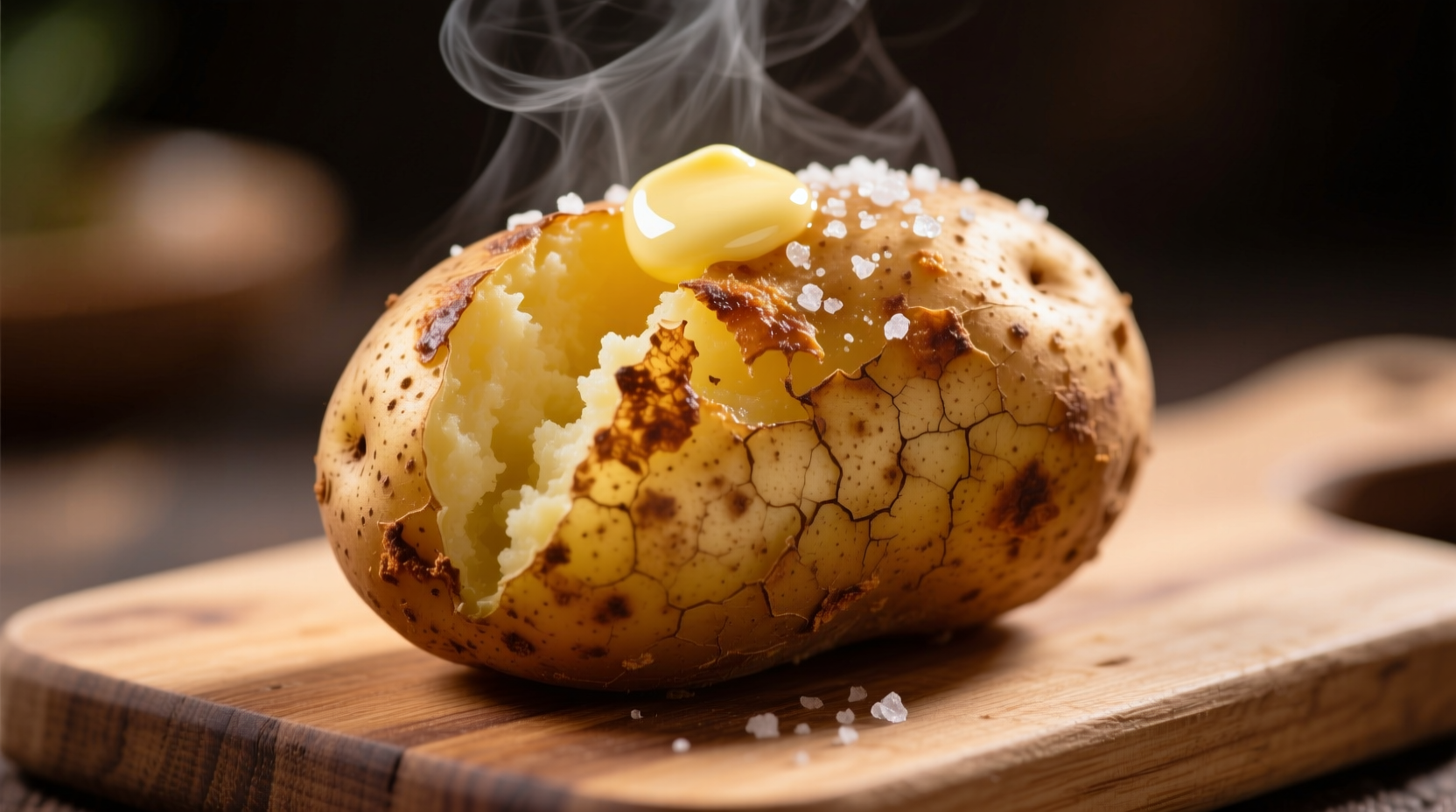
- Salt generously - Coarse salt creates texture contrast on skin
Baking Process
- Position correctly - Place directly on oven rack with baking sheet below to catch drips
- Rotate midway - Ensures even exposure to heat sources
- Test doneness - Insert fork; should slide in easily with no resistance
- Rest properly - 5 minutes before cutting allows steam redistribution
7 Flavor Variations for Every Palate
Classic Loaded Baked Potato
Split open, fluff with fork, then add: sour cream, chives, shredded cheddar, and crispy bacon. The American Heart Association notes that using Greek yogurt instead of sour cream reduces saturated fat by 40% while maintaining creaminess.
Healthy Mediterranean Style
Top with Greek yogurt, chopped Kalamata olives, roasted red peppers, and a sprinkle of oregano. This variation provides 15g of plant-based protein per serving according to USDA FoodData Central.
Vegan Option
Use cashew cream instead of dairy, add caramelized onions, roasted garlic, and nutritional yeast for cheesy flavor without dairy.
Spicy Southwest
Combine black beans, corn, diced jalapeños, and chipotle sauce. Food scientists at Cornell University found that the capsaicin in peppers increases metabolic rate by 5-10% temporarily.
Breakfast-for-Dinner
Fill with scrambled eggs, avocado slices, and everything bagel seasoning—a complete protein source according to dietary guidelines from the Academy of Nutrition and Dietetics.
French-Inspired Herb
Mix softened butter with fresh thyme, rosemary, and chives. Let melt into the fluffy interior for aromatic sophistication.
Simple Sweet Potato Alternative
For those seeking more nutrients, sweet potatoes offer higher vitamin A content. Bake at same temperature but reduce time by 10-15 minutes.
Avoiding Common Baking Mistakes
Even experienced cooks make these critical errors that compromise results:
Skipping the Poke Holes
Without steam vents, pressure builds until the potato explodes—creating a messy oven disaster. This safety tip comes directly from FDA food preparation guidelines.
Using the Wrong Potato Variety
Waxy potatoes like reds or Yukon Golds don't achieve the same fluffy texture. Russets contain 20-22% starch compared to 16-18% in Yukon Golds, making them ideal for baking according to agricultural studies from the University of Idaho.
Wrapping Tightly in Foil
While foil speeds cooking slightly, wrapping too tightly steams the potato rather than baking it, resulting in soggy skin. If using foil, leave ends open for ventilation.
Storage and Reheating Guidelines
Proper storage maintains texture and ensures food safety. The USDA Food Safety and Inspection Service recommends:
- Refrigerate within 2 hours of cooking
- Store in airtight container for up to 5 days
- Reheat in oven at 350°F for best texture (microwaving makes skin rubbery)
- Never leave cooked potatoes at room temperature overnight (risk of botulism)




 浙公网安备
33010002000092号
浙公网安备
33010002000092号 浙B2-20120091-4