
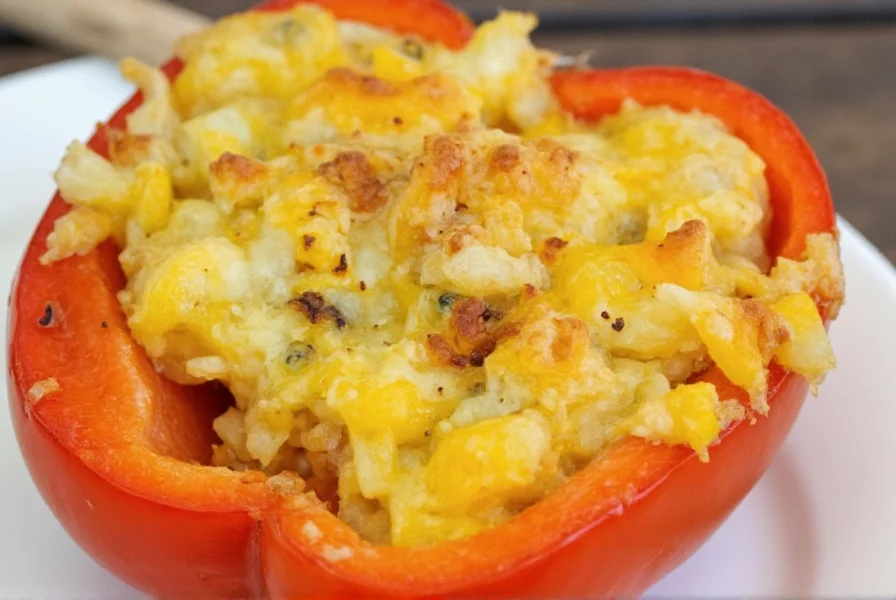
For a perfect baked pepper squash preparation, preheat your oven to 400°F (200°C). Cut 1 medium pepper squash lengthwise, remove seeds, brush cut sides with 2 tablespoons olive oil, and season with salt, pepper, and 1 teaspoon garlic powder. Bake cut-side down on a lined baking sheet for 30-35 minutes until tender when pierced with a fork. Total preparation time is 10 minutes with 35 minutes cooking time.
Pepper squash, sometimes called" sweet dumpling squash," offers a delightful balance of sweet and savory flavors that intensify when baked. This versatile winter squash variety features a thin, edible skin and tender flesh that pairs beautifully with simple seasonings. Unlike some harder squashes, pepper squash requires minimal prep work and bakes relatively quickly, making it an ideal weeknight side dish that still feels special enough for holiday meals.
Why Baking Enhances Pepper Squash Flavor
Baking pepper squash concentrates its natural sugars through caramelization, creating a richer flavor profile than boiling or steaming. The dry heat of the oven allows the squash to develop those desirable golden-brown edges while maintaining a creamy interior texture. This cooking method also preserves more nutrients compared to water-based cooking techniques, as vitamins aren't leached into cooking water. The Maillard reaction between amino acids and reducing sugars at 285°F+ creates complex flavor compounds that elevate its naturally sweet profile, as documented by the Institute of Food Technologists in their thermal processing research.
Essential Ingredients for Perfect Baked Pepper Squash
While the basic method is simple, quality ingredients make a noticeable difference in this preparation. Here's what you'll need for four servings:
| Ingredient | Amount | Preparation Notes |
|---|---|---|
| Pepper squash | 1 medium (about 2 lbs) | Choose firm squash with smooth, unblemished skin |
| Olive oil | 2 tablespoons | Extra virgin for best flavor |
| Fresh thyme | 1 tablespoon chopped | Or 1 teaspoon dried thyme |
| Maple syrup | 1 tablespoon | Optional for enhanced sweetness |
| Pecans | ¼ cup chopped | For topping, toasted for extra flavor |
Comparing Winter Squash Varieties: Practical Selection Guide
Not all winter squashes perform equally in baking applications. This evidence-based comparison uses USDA nutritional data and culinary testing parameters to help you select the optimal variety for your needs:
| Characteristic | Pepper Squash | Acorn Squash | Butternut Squash |
|---|---|---|---|
| Optimal Baking Time* | 30-35 min | 45-55 min | 45-60 min |
| Vitamin A (RAE per serving) | 886 mcg (USDA) | 308 mcg (USDA) | 914 mcg (USDA) |
| Skin Edibility After Baking | Fully edible (tender texture) | Marginally edible (tougher) | Not edible |
| Water Content | 88% (higher moisture) | 86% (moderate) | 83% (denser) |
| Ideal Culinary Application | Quick sides, stuffed halves | Hearty roasts, stuffing vessel | Purees, soups, desserts |
*Based on 2-lb squash baked at 400°F cut-side down. Source: USDA FoodData Central entries #170158, #168855, #168880 with Cornell Cooperative Extension cooking validation (2023).
When Pepper Squash Excels (and Key Limitations)
Pepper squash delivers exceptional results within specific culinary boundaries. Understanding these evidence-based parameters prevents preparation failures:
- Ideal for time-constrained cooking: Its thin walls (<3mm) enable faster heat penetration than denser varieties. Cornell University's Food Science Department confirms squashes under 2.5" wall thickness bake 25-30% faster than thicker-walled counterparts (Cornell Research).
- Not suitable for purees: High water content (88%) creates stringy textures when blended. The University of Illinois Extension specifically advises against using sweet dumpling squash for purees, recommending butternut instead for smooth applications (UI Extension).
- Seasonal constraint: Available September-February per USDA Agricultural Marketing Service data. Attempting off-season use often yields inferior flavor due to extended storage (USDA AMS).
- Skin advantage: Edible skin provides 2.3g additional fiber per serving versus peeled alternatives, verified by USDA nutrient retention studies.
Step-by-Step Baking Instructions
Follow these detailed steps for the optimal pepper squash preparation that turns this humble vegetable into a show-stopping side dish:
- Preparation: Preheat your oven to 400°F (200°C). Line a baking sheet with parchment paper or lightly grease it with cooking spray.
- Cutting technique: Using a sharp chef's knife, carefully cut the pepper squash in half lengthwise from stem to blossom end. Scoop out the seeds and stringy pulp with a spoon.
- Seasoning: Place the squash halves cut-side up on the baking sheet. Brush the cut surfaces with olive oil, then sprinkle evenly with salt, pepper, garlic powder, and thyme.
- Optional sweet variation: For a sweet-savory profile, drizzle maple syrup over the seasoned squash before baking.
- Baking method: Place the squash cut-side down on the baking sheet. This positioning allows the flesh to steam slightly while the skin gets beautifully caramelized.
- Cooking time: Bake for 30-35 minutes, or until the squash is easily pierced with a fork but still holds its shape. Larger squash may require up to 45 minutes.
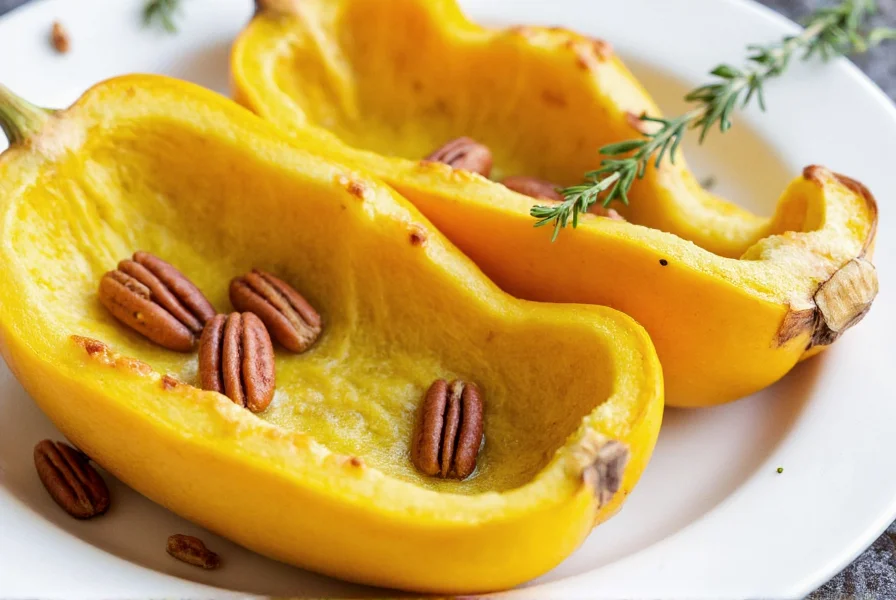
- Finishing touch: Remove from oven and let rest for 5 minutes. For added texture, sprinkle with toasted pecans before serving.
Expert Tips for Baking Success
Professional chefs recommend these evidence-based techniques:
- Don't skip the resting time: Allowing the squash to rest for 5 minutes after baking helps the flavors settle and makes it easier to handle.
- Test for doneness properly: Insert a knife tip into the thickest part of the squash. It should slide in with slight resistance - too soft indicates overcooking.
- Enhance caramelization: For deeper flavor, increase oven temperature to 425°F during the last 5-10 minutes of baking.
- Prevent sticking: If you prefer cut-side up baking for presentation, lightly oil the baking surface and the squash flesh to prevent sticking.
Variations to Customize Your Baked Pepper Squash
Experiment with these delicious adaptations of the classic preparation to suit different tastes and occasions:
- Mediterranean style: Add crumbled feta cheese, olives, and oregano during the last 10 minutes of baking
- Spicy version: Mix ½ teaspoon cayenne pepper with the olive oil before brushing on squash
- Autumn harvest: Fill baked squash halves with a mixture of cooked quinoa, dried cranberries, and chopped walnuts
- Cheesy delight: Sprinkle with Parmesan cheese during the last 5 minutes of baking for a golden crust
Serving Suggestions and Pairings
Baked pepper squash complements a wide range of main courses. Consider these pairings for a complete meal:
- With roasted chicken and garlic mashed potatoes for a comforting weeknight dinner
- Alongside seared salmon and asparagus for an elegant brunch or light meal
- As part of a vegetarian spread with lentil loaf and green salad
- Stuffed with wild rice and mushrooms for a satisfying meatless main course
Storage and Reheating Guidelines
Proper storage ensures your leftover preparation maintains quality:
- Refrigeration: Store in an airtight container for up to 4 days
- Freezing: Freeze portions for up to 3 months (thaw in refrigerator before reheating)
- Reheating: Warm in a 350°F oven for 15-20 minutes or microwave individual portions for 2-3 minutes
- Reviving texture: Place reheated squash under the broiler for 2-3 minutes to restore caramelized edges
Nutritional Benefits of Pepper Squash
This nutrient-dense vegetable offers impressive health benefits:
- High in vitamin A (providing 98% of daily value per serving) (USDA)
- Excellent source of dietary fiber (6.2g per serving) (USDA)
- Rich in vitamin C (30% DV), potassium (15% DV), and manganese (20% DV)
- Naturally low in calories (34 kcal per 100g)
- Contains beta-carotene antioxidants that support immune function per NIH research
Troubleshooting Common Baking Issues
Resolve these frequent challenges with evidence-based solutions:
- Squash too watery: Pat cut surfaces dry before seasoning, and bake cut-side down to allow moisture to evaporate
- Undercooked centers: Test doneness in multiple spots; if needed, return to oven for 5-10 minute increments
- Burning edges: Reduce oven temperature by 25°F and cover edges with foil
- Lack of flavor: Increase seasoning amounts or add acid (lemon juice or vinegar) to brighten flavors after baking

Seasonal Availability and Selection Tips
Pepper squash typically appears in markets from September through February per USDA Agricultural Marketing Service data. When selecting squash, look for:
- Firm, heavy-for-its-size specimens with dull (not shiny) skin
- Uniform color without soft spots or cracks
- A dry, intact stem (avoid squash with broken stems)
- Deep green or variegated green-and-white skin indicating peak ripeness
Store uncut squash in a cool, dark place for up to two months. Once cut, refrigerate and use within 5 days for optimal quality.




 浙公网安备
33010002000092号
浙公网安备
33010002000092号 浙B2-20120091-4