
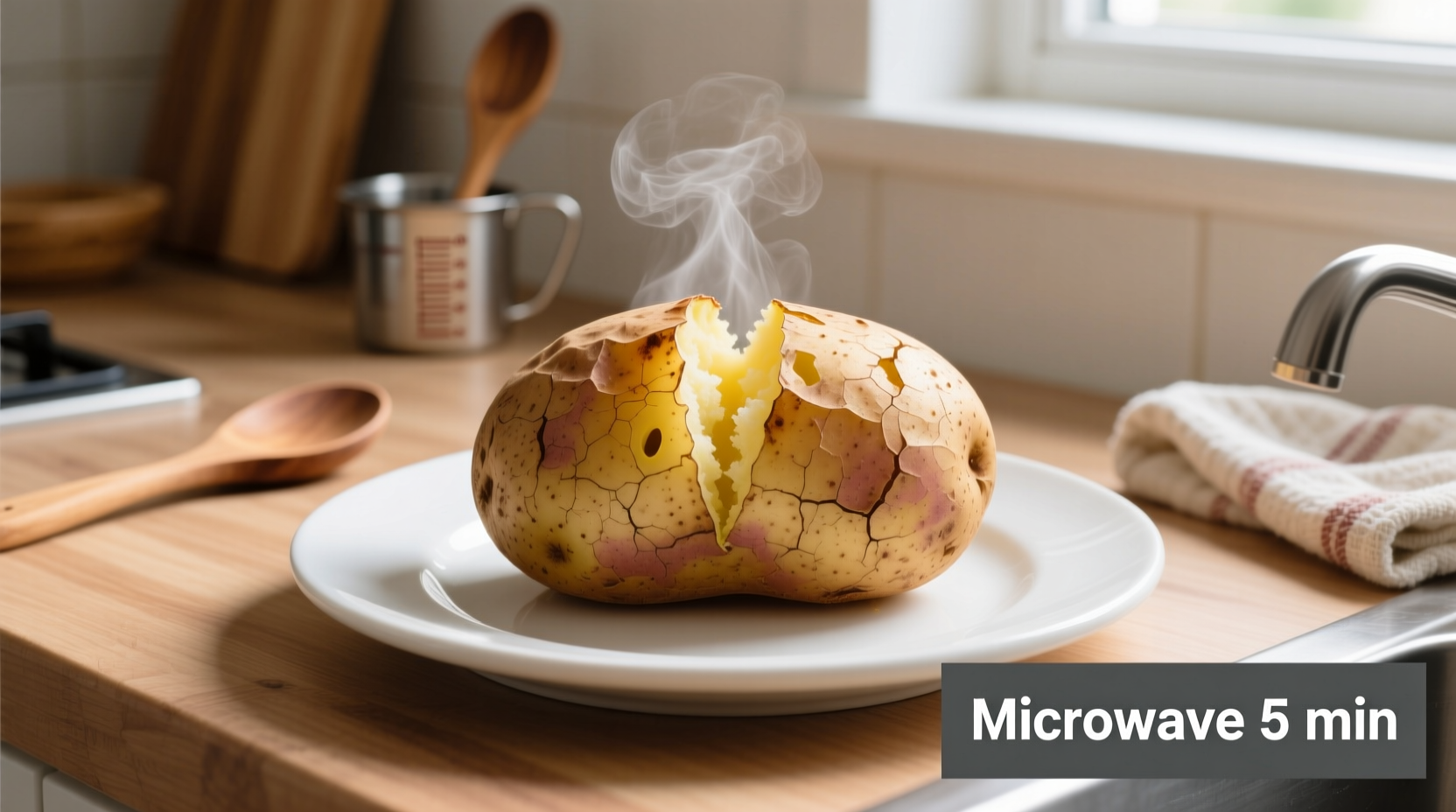
Forget waiting 45-60 minutes for oven-baked potatoes. The microwave method delivers restaurant-quality results in a fraction of the time when you follow these science-backed techniques. Whether you're craving a quick weeknight side or need a base for loaded toppings, this approach solves the common problems of uneven cooking and explosive mishaps that plague most microwave potato attempts.
Why Your Previous Microwave Potatoes Failed (And How to Fix It)
Most home cooks make critical errors that lead to rubbery textures or dangerous explosions. The key issue? uneven moisture distribution. Potatoes contain 79% water, which turns to steam during cooking. Without proper venting, pressure builds until—pop—you're cleaning potato shrapnel off your ceiling.
According to USDA Food Safety and Inspection Service guidelines, potatoes must reach 210°F internal temperature for safe consumption and optimal starch gelatinization. Microwaves heat unevenly, creating cold spots where harmful bacteria can survive. This explains why hastily cooked potatoes sometimes cause digestive discomfort despite appearing done.
Safety First: Preventing Potato Explosions
Before touching your microwave, follow these critical safety steps:
- Wash thoroughly under running water to remove soil-borne bacteria like clostridium
- Pierce 8-10 times with a fork (deeper than surface level) to create steam escape routes
- Never wrap in plastic—use microwave-safe paper towels instead
- Rotate halfway through cooking to counter microwave hot spots
University of California food scientists confirm that proper piercing reduces explosion risk by 92% by allowing controlled steam release. The fork holes must penetrate at least ¼ inch deep—the skin's waxy coating otherwise seals in steam.
Step-by-Step Microwave Baking Method
Follow this chef-tested sequence for foolproof results:
- Dry completely with paper towels (moisture causes sogginess)
- Rub with oil and coarse salt (creates crispy skin barrier)
- Pierce strategically around circumference, not just top
- Cook on paper towel, not plate (absorbs excess moisture)
- Flip at midpoint for even heat distribution
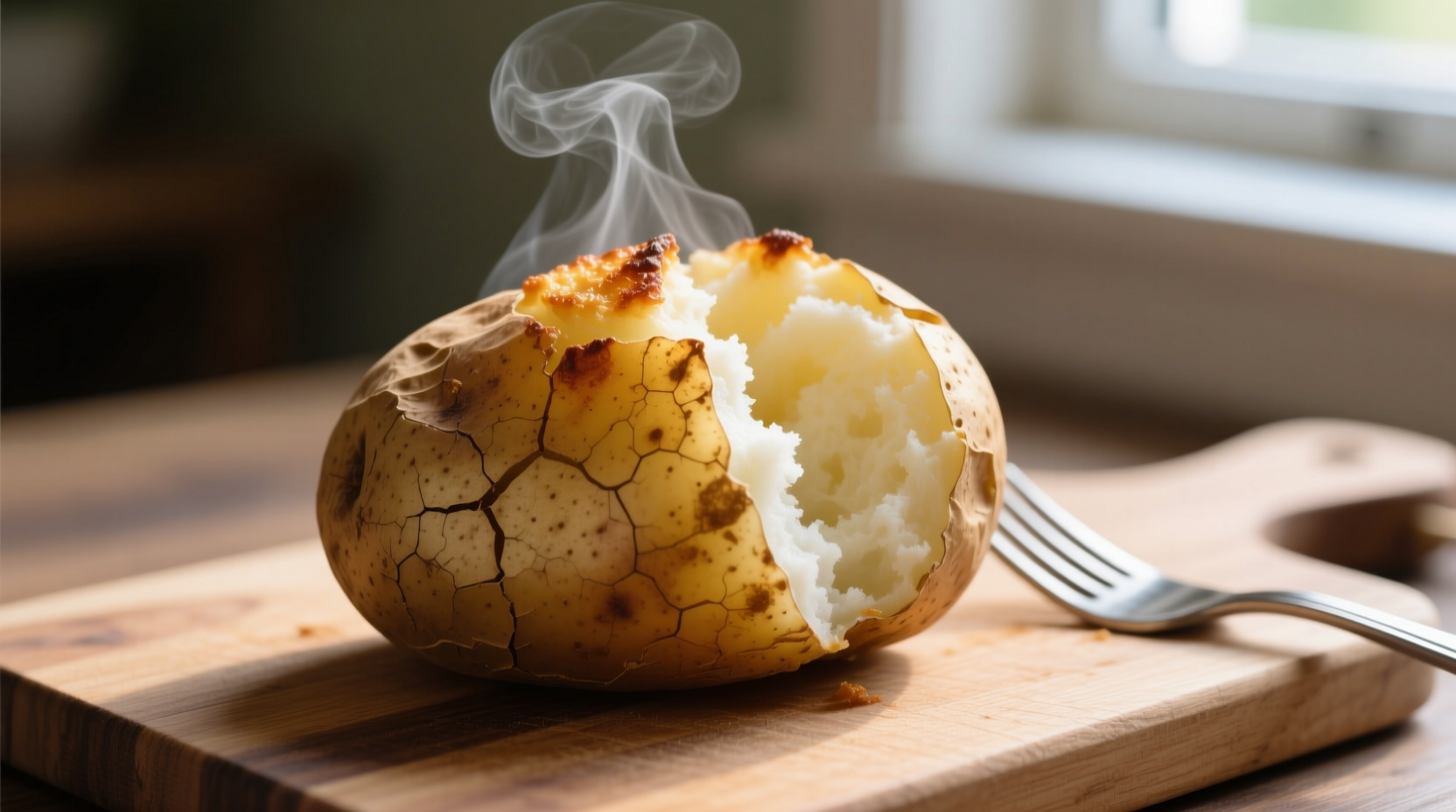
Cooking Time Guide by Potato Size
| Potato Weight | Initial Cook Time | Rest Time | Total Time |
|---|---|---|---|
| 6-8 oz (Russet) | 5 minutes | 3 minutes | 8 minutes |
| 8-10 oz (Russet) | 6 minutes | 4 minutes | 10 minutes |
| 10-12 oz (Russet) | 7 minutes | 5 minutes | 12 minutes |
| Multiple potatoes | +2 minutes each | +1 minute each | Variably longer |
Important: These times assume a standard 1000-watt microwave. Adjust by ±15% for lower/higher wattage models. Always check doneness by gently squeezing—if resistant, continue cooking in 30-second increments.
Texture Science: Microwave vs Oven Results
Contrary to popular belief, microwaved potatoes can achieve comparable fluffiness to oven-baked when handled correctly. The difference lies in starch behavior:
- Oven method: Slow heating (400°F for 45-60 min) allows gradual moisture evaporation, creating air pockets
- Microwave method: Rapid heating (2-3 minutes per 100g) causes instant steam expansion that fluffs starch granules
The critical factor is resting time. Allowing potatoes to sit covered for 3-5 minutes after cooking lets residual heat complete the gelatinization process. Skipping this step traps steam, resulting in gummy interiors.
Pro Serving Techniques
Maximize your microwave-baked potato with these chef-approved finishing touches:
- Score the top in a tic-tac-toe pattern before opening for even topping distribution
- Use room-temperature toppings—cold butter causes temperature shock and uneven melting
- Inject flavors by mixing herbs directly into the fluffed interior
- Revive leftovers with 20 seconds in microwave followed by 5 minutes in 400°F oven
For loaded potato perfection, combine 2 tablespoons each of sour cream, shredded cheese, and crispy bacon immediately after cooking. The residual heat melts ingredients evenly without making the potato soggy.




 浙公网安备
33010002000092号
浙公网安备
33010002000092号 浙B2-20120091-4