
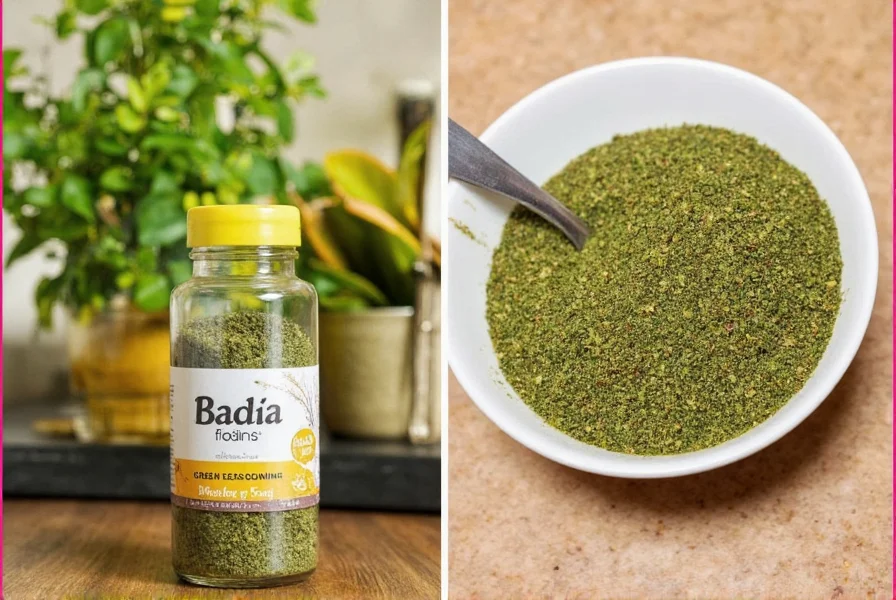
Badia Green Seasoning is a popular Latin American spice blend primarily made of cilantro, oregano, garlic, salt, and pepper. This herb-forward seasoning enhances dishes with fresh, aromatic flavors without overpowering heat, making it essential for authentic Puerto Rican, Dominican, and Cuban cooking. Unlike many commercial seasonings, it contains no artificial additives or unnecessary fillers.
What Exactly Is Badia Green Seasoning?
Badia Green Seasoning is a versatile spice blend that has become a staple in Latin American kitchens. Produced by Badia Spices, a family-owned company established in 1967, this seasoning delivers consistent flavor quality across its product line. The "green" in its name refers to its herb-dominant profile rather than any colorant.
The complete ingredient list includes:
- Dried cilantro (the primary flavor)
- Dried oregano
- Garlic powder
- Salt
- Black pepper
- Monosodium glutamate (MSG)
- Extractives of paprika
- Silicon dioxide (anti-caking agent)
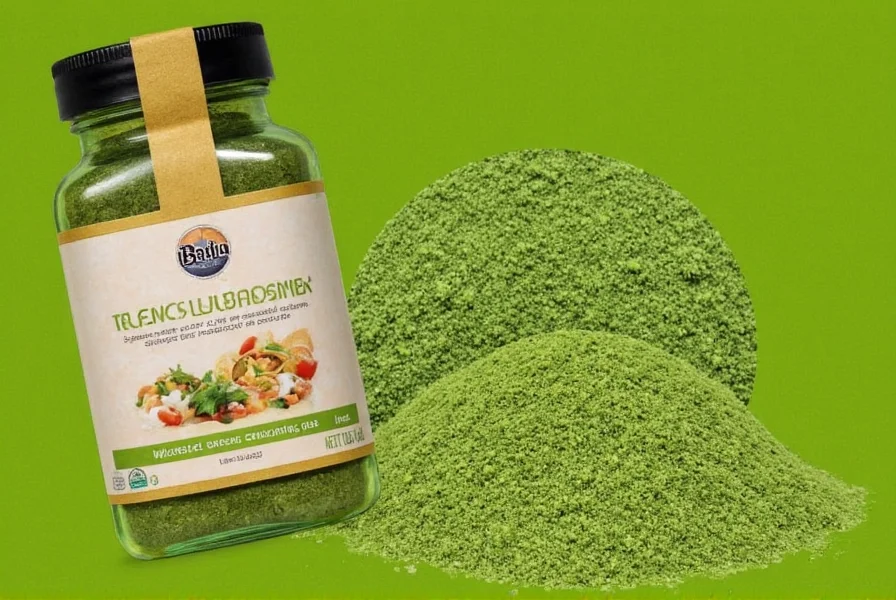
Badia Green Seasoning vs Adobo: Key Differences
Many home cooks confuse Badia Green Seasoning with Adobo, but they serve different flavor purposes. Here's how they compare:
| Feature | Badia Green Seasoning | Adobo Seasoning |
|---|---|---|
| Primary Flavor Profile | Herb-forward (cilantro dominant) | Garlic-forward with stronger pepper notes |
| Color | Bright green appearance | Tan to brown color |
| Heat Level | No significant heat | Mild to moderate heat |
| Best For | Fish, chicken, rice, vegetables | Meats, stews, beans |
| Sodium Content | 480mg per 1/4 tsp | Varies by brand (typically higher) |
How to Use Badia Green Seasoning: Proven Applications
For maximum flavor impact, follow these specific usage guidelines:
For Proteins
- Chicken: Rub 1 teaspoon per pound before grilling or roasting
- Fish: Sprinkle 1/2 teaspoon per fillet 15 minutes before cooking
- Steak: Combine with 1 tbsp olive oil to create a paste for marinating
For Sides & Vegetables
- Rice: Add 1/2 teaspoon to 1 cup of uncooked rice
- Beans: Stir in 1 teaspoon during last 10 minutes of cooking
- Vegetables: Toss 1/4 teaspoon with 1 pound of vegetables before roasting
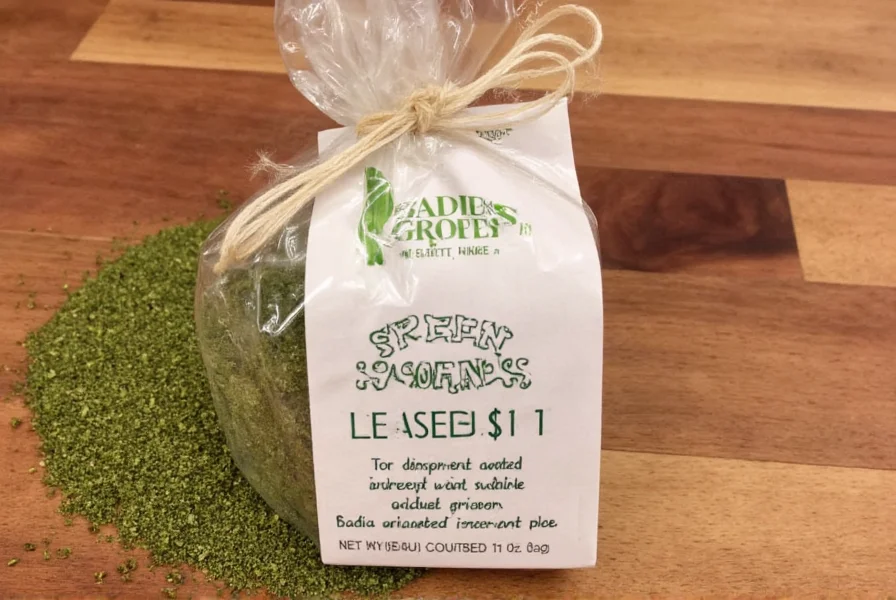
Where to Buy Badia Green Seasoning (2025 Guide)
Badia Green Seasoning is widely available in these locations:
- Grocery stores: Walmart, Target, Publix, and Kroger carry it in the international or spice aisle
- Latin markets: Most Hispanic grocery stores stock it prominently
- Online: Amazon, Badia's official website, and specialty spice retailers
- Price range: $2.50-$4.50 for a 4oz container (most common size)
Badia Green Seasoning Substitute Options
If you can't find Badia Green Seasoning, these alternatives work well:
| Substitute | Ratio | Adjustments Needed |
|---|---|---|
| Homemade blend (see below) | 1:1 | None |
| Sazón with Achiote | 3/4:1 | Reduce additional salt |
| Adobo + extra cilantro | 1/2 Adobo + 1/4 tsp dried cilantro | Add more cilantro for herb flavor |
| Italian seasoning + garlic | 1/2 Italian + 1/4 tsp garlic powder | Add cilantro for authentic flavor |
Homemade Badia Green Seasoning Recipe
Make your own with this authentic-tasting blend:
- 2 tablespoons dried cilantro
- 1 tablespoon dried oregano
- 1 tablespoon garlic powder
- 2 teaspoons onion powder
- 1 teaspoon salt
- 1/2 teaspoon black pepper
- 1/4 teaspoon cumin
- 1/4 teaspoon paprika
Mix thoroughly and store in an airtight container for up to 6 months.
Frequently Asked Questions
What is Badia Green Seasoning made of?
Badia Green Seasoning contains dried cilantro, oregano, garlic powder, salt, black pepper, MSG, paprika extractives, and silicon dioxide as an anti-caking agent. The cilantro provides the dominant flavor with supporting notes from oregano and garlic.
Is Badia Green Seasoning spicy?
No, Badia Green Seasoning contains no chili components and is not spicy. It delivers a savory, herbaceous flavor profile focused on cilantro and oregano without heat. If you prefer some heat, combine it with a pinch of cayenne pepper.
How does Badia Green Seasoning differ from Goya Adobo?
Badia Green Seasoning is cilantro-forward with bright herbal notes, while Goya Adobo is garlic-forward with stronger black pepper presence. Green Seasoning works best for dishes where you want fresh herb flavors to shine, while Adobo provides deeper, earthier seasoning.
Can I use Badia Green Seasoning in place of Adobo?
Yes, but with adjustments. Use 3/4 teaspoon of Green Seasoning for every 1 teaspoon of Adobo called for in a recipe, and add extra garlic powder to compensate for the difference in flavor profiles.
What dishes is Badia Green Seasoning best for?
It excels in seafood preparations, chicken dishes, rice recipes, vegetable sides, and egg dishes. It's particularly authentic in Puerto Rican arroz con pollo, Dominican pastelón, and Cuban mojo marinades when combined with citrus.
Does Badia Green Seasoning contain MSG?
Yes, Badia Green Seasoning contains monosodium glutamate (MSG) as the fourth ingredient after salt. If you need an MSG-free option, look for specialty Latin seasoning brands that specifically state 'no MSG' on the label.
How long does Badia Green Seasoning last?
Properly stored in a cool, dry place with the lid tightly sealed, Badia Green Seasoning maintains peak flavor for 18-24 months. After this period, it remains safe to use but gradually loses potency. Check the "best by" date on the container for specific guidance.
Is Badia Green Seasoning gluten-free?
Yes, Badia Green Seasoning is naturally gluten-free as it contains only herbs, spices, salt, and MSG with no grain-based fillers. The manufacturer confirms it's processed in a facility that doesn't handle gluten-containing products.




 浙公网安备
33010002000092号
浙公网安备
33010002000092号 浙B2-20120091-4