
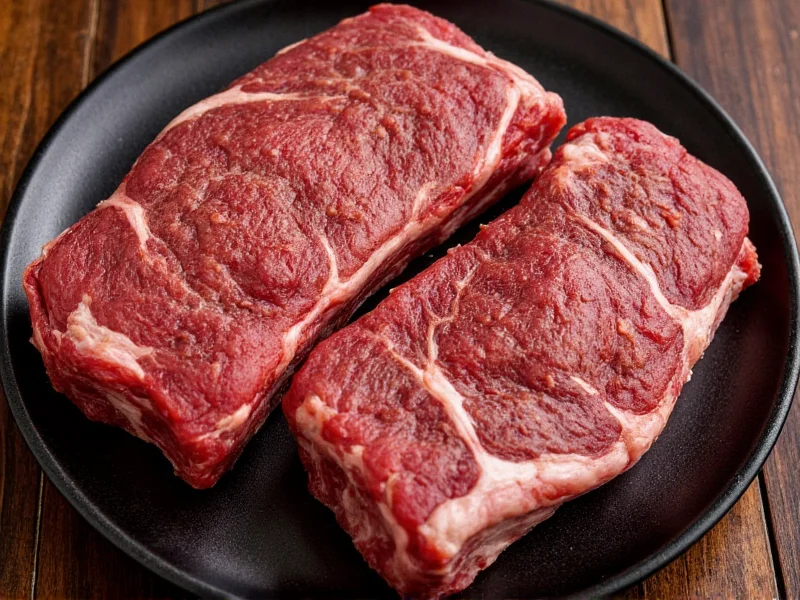
Understanding the distinction between back ribs and short ribs proves essential for both home cooks and professional chefs. These two popular beef cuts serve different culinary purposes despite sharing the "rib" designation. Let's examine their characteristics, cooking applications, and how to select the right cut for your recipe.
Anatomical Origins and Butchering Differences
Back ribs, technically known as beef back ribs, derive from the section where the rib bones connect to the spine, specifically between the loins and rib primal cuts. Butchers remove these after separating the loin from the rib section, resulting in curved bones with significant meat coverage both between and on top of the bones.
Short ribs come from the plate section (lower rib cage), typically ribs six through ten. Unlike back ribs, short ribs contain substantial connective tissue and marbling because these muscles work harder during the animal's life. Butchers cut them either English style (parallel to the bone) or flanken style (across the bones), creating distinctive rectangular pieces with bone segments.
Physical Characteristics Comparison
| Characteristic | Back Ribs | Short Ribs |
|---|---|---|
| Source Location | Top of rib cage, near spine | Lower rib cage/plate section |
| Bone Structure | Curved, shorter bones | Straight, rectangular bone segments |
| Meat Distribution | Meat primarily between bones | Meat surrounding each bone segment |
| Fat Content | Leaner, less marbling | Higher marbling, more connective tissue |
| Average Weight | 1.5-2.5 lbs per rack | 1.5-3 lbs per serving |
| USDA IMPS Code | 123 | 124 |
These cuts are formally designated under the USDA's Institutional Meat Purchase Specifications (IMPS) as #123 for back ribs and #124 for short ribs, ensuring standardized identification throughout commercial supply chains (USDA AMS, 2015).
Flavor and Texture Profiles
The difference between back ribs and short ribs becomes most apparent when cooked. Back ribs offer a milder beef flavor with a relatively tender texture when properly prepared. Their leaner composition means they cook faster but can become dry if overcooked. The meat separates cleanly from the bone when done correctly.
Short ribs deliver a richer, more intense beef flavor due to their higher fat content. When slow-cooked properly, the connective tissue transforms into gelatin, creating an exceptionally tender, almost buttery texture that falls off the bone. The marbling contributes significantly to their succulence, making them ideal for dishes requiring deep flavor development.
Optimal Cooking Methods
Mastering cooking methods for short ribs vs back ribs separates satisfactory results from exceptional ones. Back ribs respond well to indirect grilling, smoking, or oven roasting at moderate temperatures (225-275°F). Many cooks use the 3-2-1 method: three hours uncovered, two hours wrapped in foil with liquid, and one hour uncovered with sauce. This technique prevents the lean meat from drying out while developing flavor.
Short ribs demand slow, moist cooking methods like braising, stewing, or slow roasting. The ideal temperature range sits between 275-325°F for extended periods (3-6 hours). This low-and-slow approach breaks down collagen into gelatin without squeezing out precious moisture. Korean galbi (marinated grilled short ribs) represents one exception where flanken-cut short ribs work with quicker cooking.
Contextual Limitations: When Each Cut Fails
Understanding the constraints of each cut prevents culinary disasters. Back ribs become excessively dry and stringy when subjected to prolonged moist-heat cooking. As confirmed by Penn State Extension's meat science guidelines, "dry-heat methods are essential for back ribs to preserve moisture and texture" (Penn State Extension, 2023).
Conversely, short ribs remain tough and chewy when cooked with dry heat alone (unless cut flanken-style). University of Nebraska-Lincoln food scientists emphasize that "short ribs must be cooked with moist heat to tenderize the abundant connective tissue" (UNL Food, 2022). Attempting to grill unmarinated English-cut short ribs typically yields inedible results due to insufficient collagen breakdown.
Culinary Applications and Recipe Suitability
When deciding which is better back ribs or short ribs for your meal, consider the desired outcome. Back ribs shine in traditional barbecue applications where you want distinct rib pieces with sauce. They work well for casual gatherings, finger foods, and recipes emphasizing rubs and sauces. Popular preparations include honey-glazed back ribs, dry-rubbed smoked ribs, and barbecue-style oven-baked ribs.
Short ribs excel in dishes where meat literally falls off the bone and integrates with cooking liquids. They form the foundation of French pot-au-feu, Korean galbi-jjim, Italian brasato al Barolo, and hearty beef stews. Their rich flavor permeates broths and sauces, making them ideal for cold-weather comfort foods and elegant braised dishes.
Purchasing Considerations and Value Assessment
Understanding back rib vs short rib pricing helps make informed choices. Back ribs typically cost $4-7 per pound, while short ribs range from $6-10 per pound. Though short ribs appear more expensive, their higher meat-to-bone ratio often provides better value. A full rack of back ribs contains approximately 30% bone by weight, whereas short ribs offer 60-70% edible meat.
When selecting either cut, look for:
- Bright red meat (not brown or gray)
- Minimal liquid in packaging (indicates freshness)
- Good marbling for short ribs, moderate fat for back ribs
- Firm texture that springs back when pressed
Substitution Guidelines and Practical Tips
While not perfect substitutes, you can sometimes interchange these cuts with adjustments. When using back ribs instead of short ribs, increase cooking time slightly and add extra moisture. For short ribs replacing back ribs, reduce cooking duration significantly to prevent disintegration. The difference in connective tissue means direct substitution rarely works without technique modifications.
Professional butchers recommend these practical tips:
- Remove the membrane from back ribs for better tenderness
- Season short ribs generously the night before cooking
- Always cook short ribs fat-side up when braising
- Rest both cuts for 10-15 minutes before serving
Conclusion: Making the Right Choice for Your Culinary Goals
The choice between back ribs and short ribs ultimately depends on your cooking method and desired outcome. Back ribs provide the classic rib experience with less cooking time, making them ideal for weeknight meals and outdoor grilling. Short ribs deliver unparalleled richness and tenderness through slow cooking, perfect for special occasions and flavor-intensive dishes. Recognizing these fundamental differences between back ribs and short ribs ensures your next beef preparation achieves maximum deliciousness.




 浙公网安备
33010002000092号
浙公网安备
33010002000092号 浙B2-20120091-4