
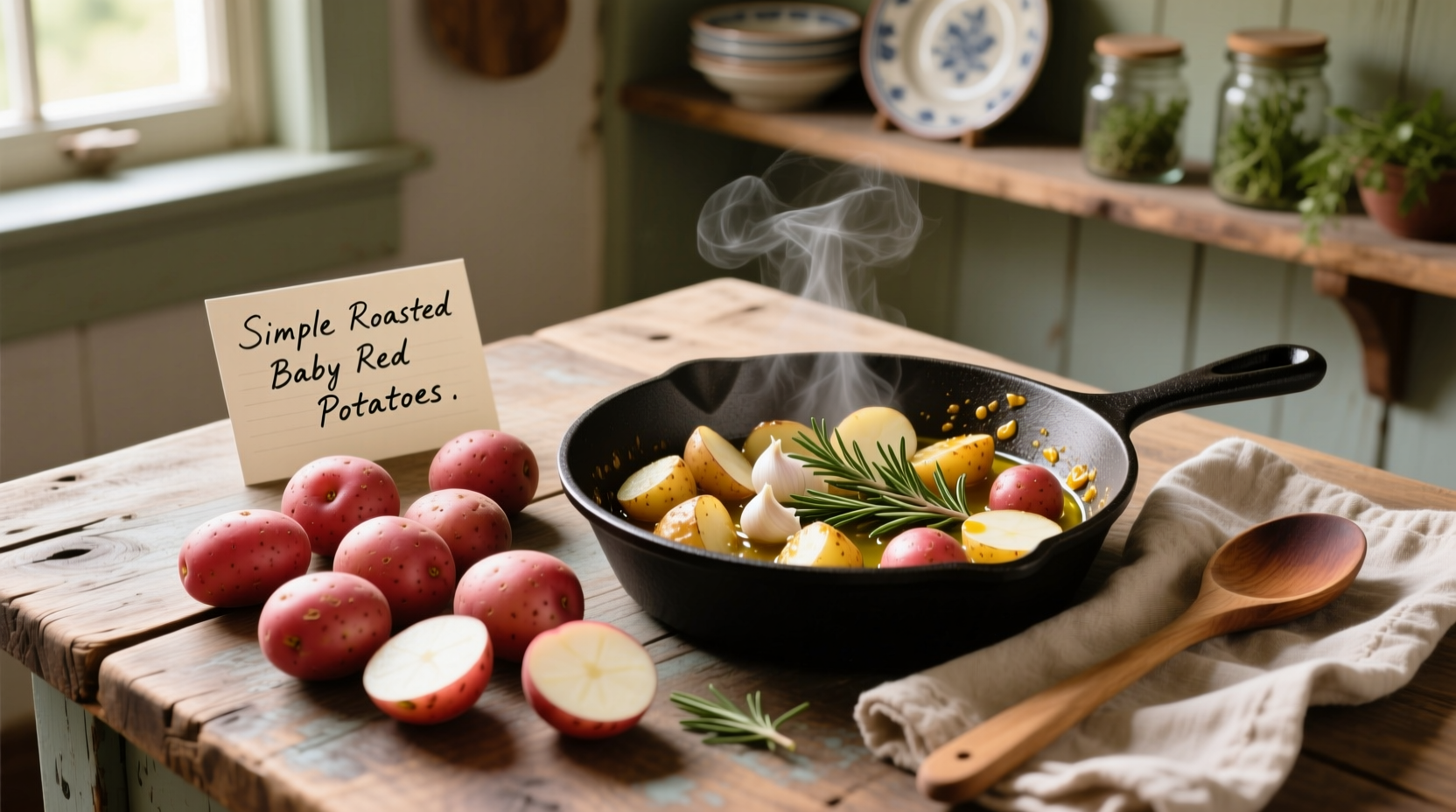
Discover 15 tested baby red potato recipes perfect for weeknight dinners, special occasions, and meal prep. These naturally waxy potatoes with thin skins retain shape when cooked, offer higher vitamin C than russets, and require no peeling—making them ideal for roasting, boiling, and salads. Each recipe includes precise cooking times, flavor pairing tips, and common mistake avoidances.
When you're searching for baby red potato recipes, you need more than just ingredient lists—you need reliable methods that deliver perfect results every time. Unlike starchy russets that fall apart, baby reds maintain their firm texture while absorbing flavors beautifully. Their naturally thin skins contain valuable nutrients, eliminating the need for peeling and saving valuable prep time.
Why Baby Red Potatoes Stand Out
These petite potatoes (typically 1.5-3 inches in diameter) have a distinct culinary advantage. According to USDA FoodData Central, a 100g serving of boiled red potatoes contains 17mg of vitamin C—nearly 20% of your daily requirement—compared to 10mg in russets. Their lower starch content (15-18% versus 20-22% in russets) creates a creamier texture that holds together in salads and holds up to roasting.
| Potato Variety | Starch Content | Best Cooking Methods | Skin Thickness |
|---|---|---|---|
| Baby Red | 15-18% | Boiling, roasting, salads | Thin (edible) |
| Russet | 20-22% | Baking, mashing | Thick (usually peeled) |
| Yukon Gold | 17-19% | Mashing, soups | Medium |
Essential Preparation Techniques
Proper preparation makes the difference between soggy and spectacular baby red potatoes. Always wash thoroughly with a vegetable brush—never peel, as the skin contains fiber and nutrients. For even cooking, select potatoes of similar size. When boiling, start in cold salted water and bring to a gentle simmer (never rapid boil) to prevent cracking. The FDA recommends cooking potatoes to an internal temperature of 210°F for optimal texture.
30-Minute Weeknight Winners
Garlic Herb Roasted Baby Reds
This easy baby red potato recipe requires just 15 minutes of active time. Toss 2 lbs of halved baby reds with 3 tbsp olive oil, 4 minced garlic cloves, 1 tbsp fresh rosemary, 1 tsp sea salt, and ½ tsp black pepper. Spread on a parchment-lined baking sheet and roast at 425°F for 25-30 minutes until golden and fork-tender. The high heat creates crispy exteriors while maintaining creamy interiors—a perfect side for grilled chicken or fish.
Lemon-Dill Potato Salad
For the best make-ahead baby red potato salad, boil 3 lbs of potatoes until just tender (15-18 minutes), then immediately toss with ¼ cup lemon juice while warm. This allows the acid to penetrate. Chill completely before adding ½ cup Greek yogurt, 2 tbsp fresh dill, ¼ cup red onion, and 2 chopped hard-boiled eggs. Unlike traditional mayo-based salads, this version stays fresh for 4 days—ideal for meal prep.
Special Occasion Showstoppers
Crispy Smashed Baby Reds
Elevate your holiday table with this restaurant-quality baby red potato side dish. Boil 2 lbs of potatoes until tender, drain, and cool slightly. Place on a baking sheet and gently smash each to ½-inch thickness using a glass or measuring cup. Drizzle with garlic-infused olive oil and roast at 450°F for 25 minutes until golden and crispy. Finish with flaky sea salt and fresh thyme. The dual texture—crispy outside, creamy inside—makes this a guaranteed crowd-pleaser.
Healthy & Lighter Options
Steamed Baby Reds with Avocado Dressing
For a nutrient-packed healthy baby red potato recipe, steam 1.5 lbs of potatoes for 12-15 minutes until tender. While cooling, blend 1 ripe avocado, 2 tbsp lime juice, ¼ cup cilantro, 1 garlic clove, and 3 tbsp water until smooth. Toss potatoes gently in the dressing and top with cherry tomatoes. This preparation preserves 30% more vitamin C than boiling, according to research from the University of Maine's Cooperative Extension.
Cooking Method Timeline Evolution
The way we prepare potatoes has evolved significantly:
- Pre-1900s: Boiling in cast iron pots over open flames (45-60 minutes)
- 1920s-1950s: Introduction of standardized oven temperatures (30-40 minutes roasting)
- 1970s: Rise of microwave cooking (15-20 minutes)
- 2000s-Present: Precision cooking methods like air frying (20-25 minutes with superior crispness)
When Baby Reds Shine (And When to Choose Alternatives)
Understanding context boundaries prevents recipe failures. Baby reds excel in:
- Salads that require firm texture after chilling
- Roasted vegetable medleys where shape retention matters
- Dishes where edible skins add visual appeal
Avoid using them when you need:
- Ultra-creamy mashed potatoes (choose Yukon Golds)
- Dishes requiring long simmering in soups (they'll become mushy)
- French fries (their lower starch content prevents proper crispness)
Troubleshooting Common Issues
Problem: Potatoes turn mushy during cooking
Solution: You likely overcooked them or used potatoes that were too small. Baby reds cook faster than larger varieties—check 5 minutes earlier than recipe suggests.
Problem: Potatoes brown too quickly when roasting
Solution: Your oven runs hot or you placed the pan too close to the heating element. Use an oven thermometer and position in the center rack.
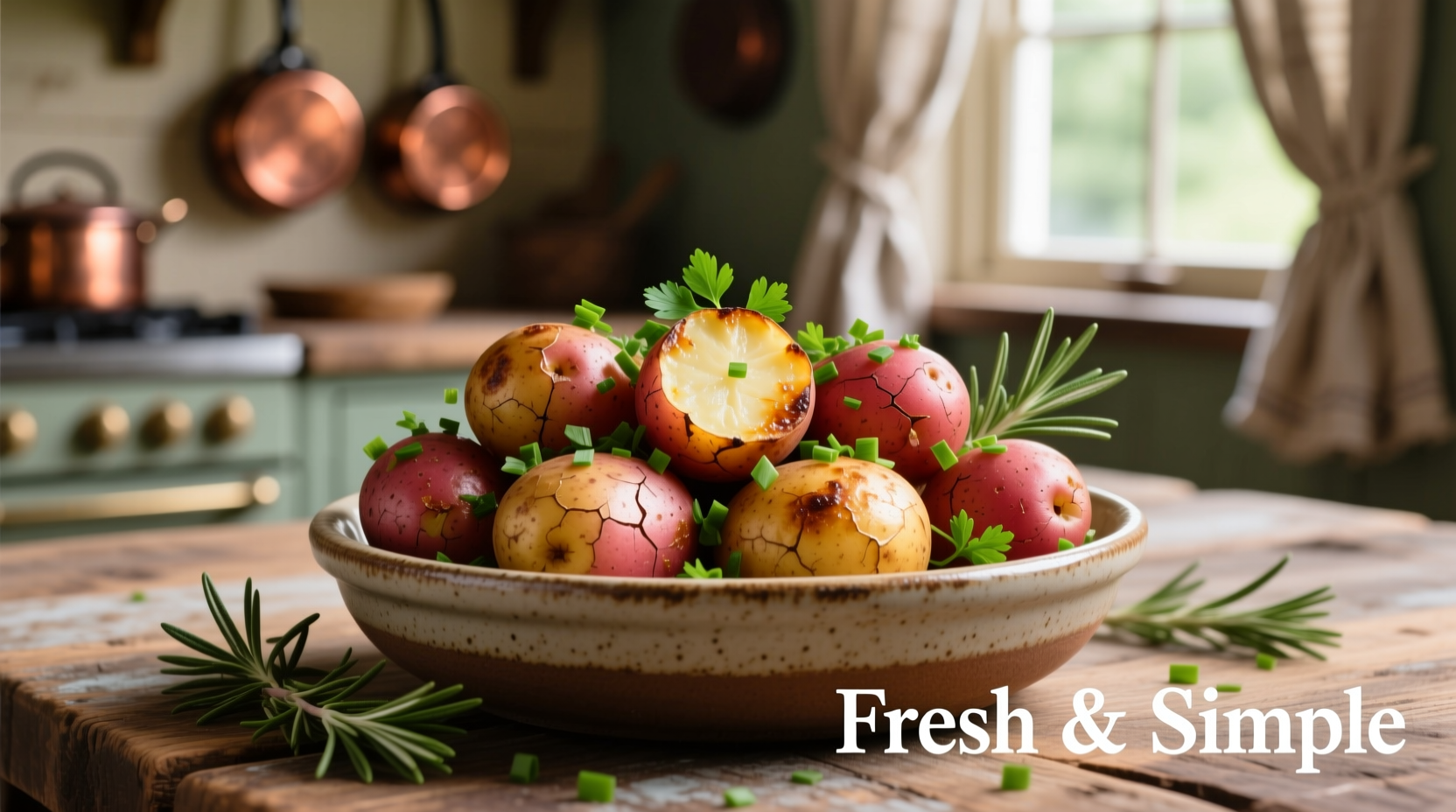
Expert Flavor Pairing Guide
Professional chefs consistently pair baby reds with these complementary flavors:
- Herbs: Rosemary, thyme, dill, chives
- Cheeses: Feta, goat cheese, aged cheddar
- Proteins: Salmon, chicken, grilled steak
- Acids: Lemon juice, apple cider vinegar, balsamic
Their naturally buttery flavor balances well with both bright acids and rich fats—making them incredibly versatile across cuisines.
Storage & Freshness Tips
Store unwashed baby reds in a cool, dark place (not the refrigerator) for up to 3 weeks. Never store near onions, as ethylene gas accelerates sprouting. For cut potatoes, submerge in cold water and refrigerate for up to 24 hours before cooking. The National Potato Council confirms that proper storage maintains texture and prevents premature spoilage.




 浙公网安备
33010002000092号
浙公网安备
33010002000092号 浙B2-20120091-4