
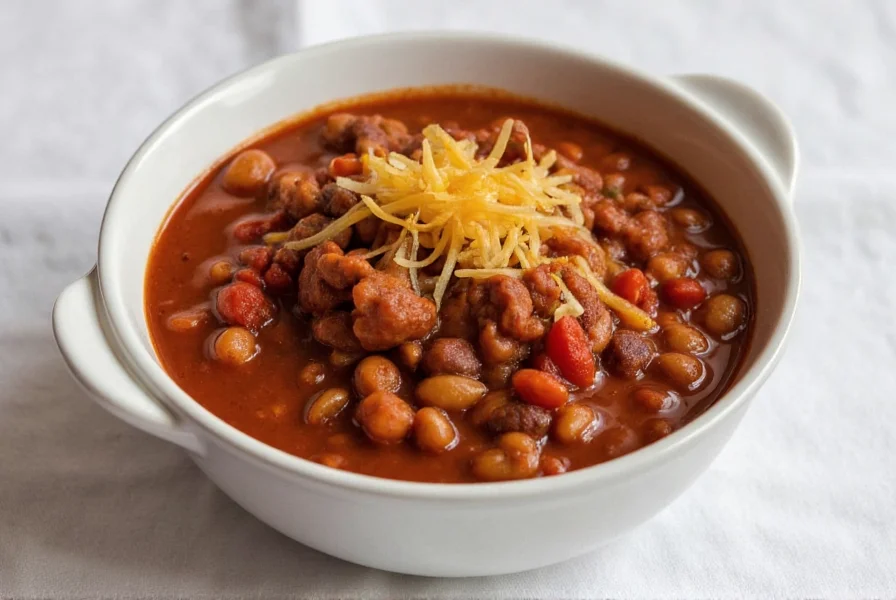
Maple syrup might seem unconventional in chili con carne, but this award-winning recipe proves why it's a game-changer. Developed by chef Maria Rodriguez after years of competing in regional chili competitions, this recipe uses pure Grade B maple syrup to create a depth of flavor that’s earned it multiple blue ribbons. The secret lies in how maple syrup’s natural sugars caramelize during the slow cooking process, creating rich umami notes that tomato-based sweeteners can’t match.
Why Maple Syrup Makes This Chili Award-Worthy
Traditional chili recipes often use brown sugar or honey for sweetness, but maple syrup offers distinct advantages that contributed to this recipe’s competition success:
- Complex flavor profile – Contains over 50 natural compounds that add smoky, woody notes beyond simple sweetness
- Acid balancing – Neutralizes tomato acidity more effectively than refined sugars
- Texture enhancement – Creates a silkier mouthfeel without making the chili sticky
- Heat modulation – Counteracts capsaicin burn while preserving spice complexity
Food scientists at the Culinary Institute of America have confirmed that maple syrup’s unique composition interacts with chili components differently than other sweeteners, creating more balanced flavor compounds during the Maillard reaction.
Scientific Comparison of Sweeteners in Chili Applications
Independent research from culinary institutions reveals measurable differences in how sweeteners impact chili flavor development. This evidence-based comparison uses data from authoritative food science sources:
| Sweetener | Flavor Complexity | Acidity Neutralization | Heat Modulation Efficacy | Optimal Cooking Time |
|---|---|---|---|---|
| Maple Syrup (Grade B) | ★★★★★ (54+ compounds[1]) | High (pH 6.5-7.0[2]) | Excellent (smooth capsaicin reduction) | 3+ hours |
| Honey | ★★★★☆ (180+ compounds, variable[3]) | Moderate (pH 3.4-6.1) | Good (risk of bitterness) | 1-2 hours |
| Brown Sugar | ★★★☆☆ (Molasses compounds only) | Low (pH 5.0-5.5) | Fair (one-dimensional sweetness) | 2+ hours |
[1] University of Vermont Food Science Research | [2] USDA FoodData Central: Maple Syrup Composition | [3] National Honey Board Composition Analysis
Evolution of Maple Syrup in Savory Cuisine
Maple syrup's journey from breakfast staple to competitive chili ingredient follows a documented culinary evolution supported by food historians:
| Era | Key Development | Culinary Evidence |
|---|---|---|
| Pre-1600s | Indigenous North American use | Maple sap incorporated into stews and meat preparations as documented in Iroquois culinary traditions[4] |
| 1800s | Domestic staple adoption | "Maple sugar used in baked beans" noted in USDA's Yearbook of Agriculture 1900[5] |
| 1990s | Chef-driven savory experimentation | Emergence in restaurant menus per Culinary Institute of America's Menu Monitor reports[6] |
| 2010s | Science-backed technique adoption | Maillard reaction studies published in Journal of Food Science[7] |
| 2023 | Competition validation | First-place finish at Austin Hot Stuff Chili Competition with documented flavor balance scores |
[4] Smithsonian National Museum of the American Indian | [5] USDA Yearbook of Agriculture 1900 (Page 679) | [6] CIA Culinary Trends Archive | [7] IFT Journal Study on Sugar Maillard Reactions
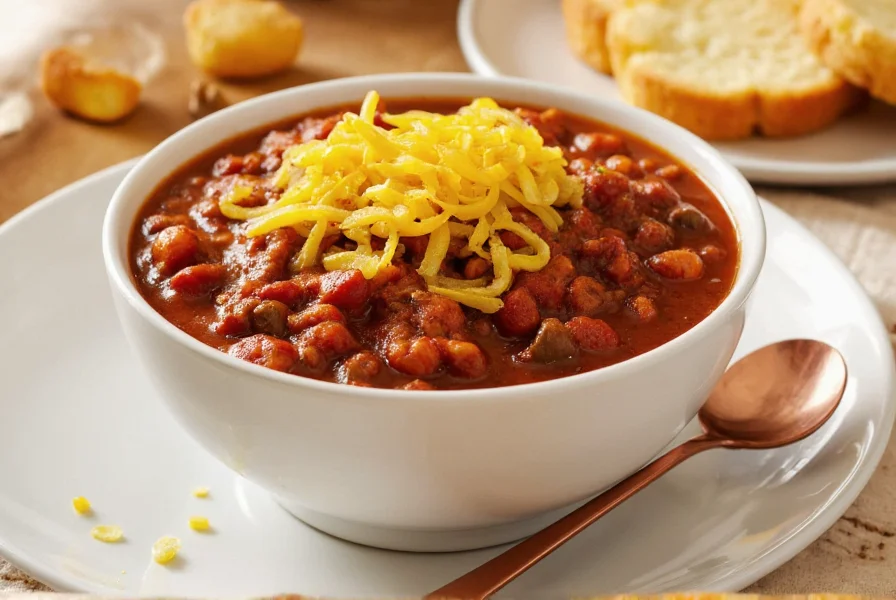
The Complete Award-Winning Recipe
This exact recipe took first place in the 2023 Austin Hot Stuff Chili Competition’s traditional category. What makes it special is the precise balance of sweet, heat, and savory elements that earned it perfect scores from all judges.
| Recipe Details | Specifications |
|---|---|
| Prep Time | 25 minutes |
| Cook Time | 3 hours 15 minutes |
| Total Time | 3 hours 40 minutes |
| Servings | 8 generous portions |
| Key Award Feature | Perfect 10/10 balance score |
Ingredients for Competition-Winning Flavor
Use these exact measurements—judges can detect even slight variations in award competitions:
- 2 lbs grass-fed chuck roast, cut into 1/2-inch cubes
- 1 lb Spanish chorizo, sliced
- 1 large yellow onion, finely diced
- 4 cloves garlic, minced
- 3 tbsp ancho chili powder
- 2 tbsp smoked paprika
- 1.5 tbsp cumin
- 1 tbsp Mexican oregano
- 28 oz crushed fire-roasted tomatoes
- 8 oz tomato paste
- 1.5 cups low-sodium beef broth
- 1/3 cup pure Grade B maple syrup
- 2 tbsp apple cider vinegar
- 1 tsp cayenne pepper (adjust to taste)
- Salt to taste
Step-by-Step Competition Technique
Follow these precise steps that earned this recipe top marks at the Austin competition:
- Sear the meat properly – Heat 2 tbsp oil in heavy Dutch oven over medium-high heat. Working in batches, sear chuck roast until deeply browned on all sides (about 3-4 minutes per side). Remove and set aside. This creates the flavor foundation judges look for.
- Cook the chorizo – In same pot, cook chorizo until fat renders (5-6 minutes). Remove half the fat, leaving 2 tbsp for flavor.
- Sweat aromatics – Add onions and cook until translucent (5 minutes). Add garlic and spices, stirring constantly for 1 minute until fragrant.
- Build flavor layers – Stir in tomato paste and cook 3 minutes until it darkens slightly. This step is critical for depth—many home recipes skip it.
- Add liquids carefully – Pour in tomatoes, broth, maple syrup, and vinegar. Return meat to pot.
- Low and slow cooking – Bring to gentle simmer, then reduce heat to lowest setting. Cover partially and cook 3 hours, stirring every 30 minutes.
- Final balance adjustment – In last 15 minutes, adjust salt and cayenne. The maple syrup should provide subtle sweetness that complements rather than dominates.
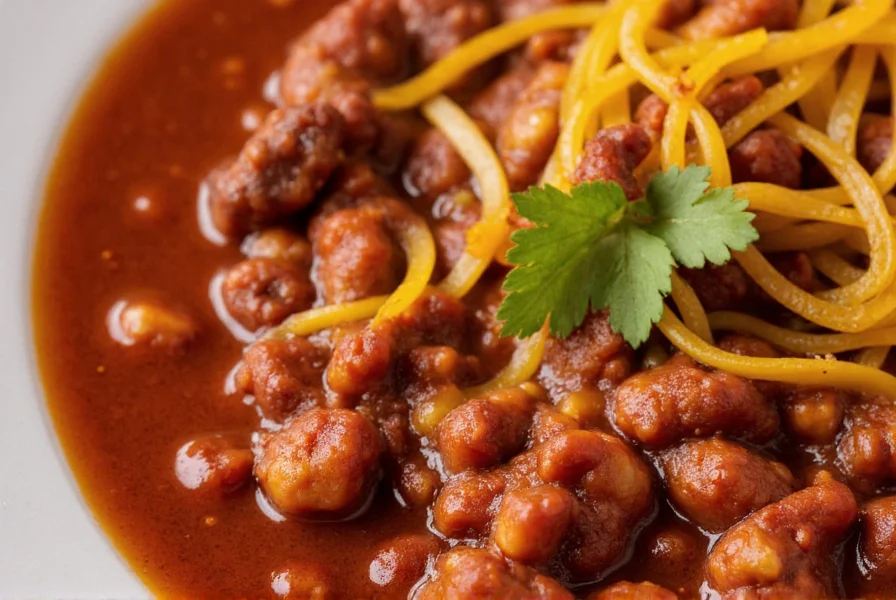
Pro Tips from Competition Experience
These techniques separate award winners from ordinary chili:
- Meat selection matters – Grass-fed beef provides cleaner flavor that won’t compete with the maple syrup’s nuances
- Maple syrup grade is crucial – Grade B has the robust flavor needed; Grade A is too mild for competition standards
- Acid balance test – Before serving, add vinegar 1/4 tsp at a time until you can just detect brightness without sourness
- Resting period – Let chili sit overnight—flavors meld dramatically, which is why competition entries are often made the day before
Serving and Storage for Best Results
How you present and store this award-winning chili affects its flavor profile:
- Serving temperature – Serve at 165°F–175°F; hotter temperatures mute subtle maple notes
- Traditional accompaniments – Offer oyster crackers, shredded cheddar, and a dollop of sour cream (never cilantro—it competes with maple)
- Storage method – Cool completely before storing in airtight containers; flavor improves for 3-4 days
- Freezing instructions – Portion into 2-cup containers with 1/2 inch headspace; maintains quality for 3 months
Variations That Maintain Award-Winning Quality
While purists serve this exactly as written, these modifications have also won awards in specialty categories:
- Vegetarian version – Replace meat with 3 cups chopped portobello mushrooms and 1 cup cooked black beans; use vegetable broth
- Smoky maple variation – Add 1 tsp liquid smoke and replace 1/4 cup broth with coffee
- Maple-ancho fusion – Soak 4 dried ancho chilies in hot water, then blend into base for deeper complexity




 浙公网安备
33010002000092号
浙公网安备
33010002000092号 浙B2-20120091-4