
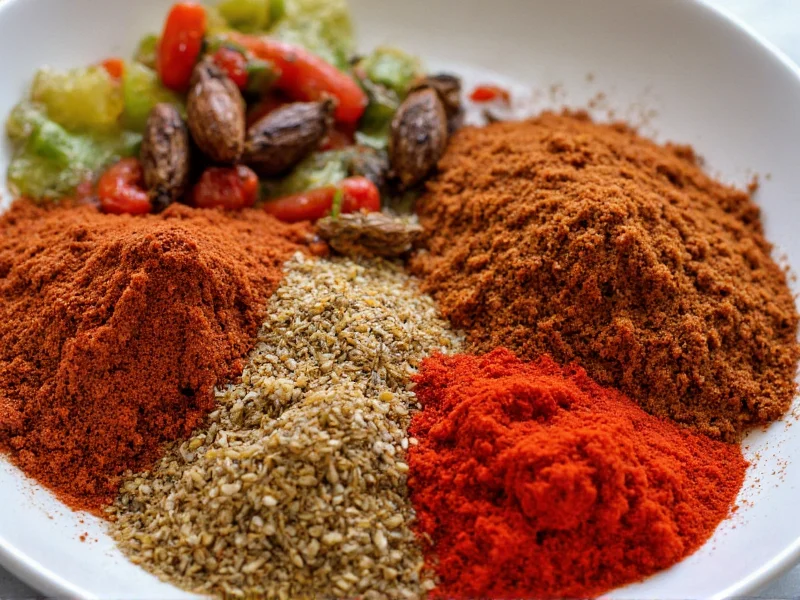
Understanding the Diversity of Asian Spices by Region
Asian spices vary dramatically across different culinary traditions, reflecting regional agricultural practices and historical trade routes. South Asian cuisine relies heavily on complex spice blends like garam masala and curry powder, while Southeast Asian cooking features fresh ingredients like lemongrass, galangal, and kaffir lime leaves. East Asian spice profiles often incorporate warming elements such as star anise and Szechuan peppercorns, creating the distinctive ma la (numbing-spicy) sensation popular in Chinese cuisine.
Essential Asian Spices and Their Culinary Applications
Understanding individual spices helps home cooks authentically recreate regional dishes. Turmeric provides earthy bitterness and vibrant color to Indian curries and rice dishes. Ginger and garlic form the aromatic base for countless Asian recipes, from stir-fries to marinades. Star anise imparts a sweet licorice note essential to Chinese five-spice powder and Vietnamese pho broth. Cardamom appears in both sweet and savory applications across South and Southeast Asia, while Szechuan peppercorns deliver their signature tingling sensation to mapo tofu and other spicy preparations.
| Spice | Primary Regions | Flavor Profile | Common Uses |
|---|---|---|---|
| Turmeric | India, Southeast Asia | Earthy, slightly bitter, peppery | Curries, rice dishes, mustard, traditional medicine |
| Star Anise | China, Vietnam | Sweet licorice, warm | Five-spice powder, pho broth, braised dishes |
| Szechuan Peppercorns | China | Citrusy, floral, numbing | Mapo tofu, hot pot, chili oils |
| Lemongrass | Thailand, Vietnam | Citrusy, floral, herbal | Curry pastes, soups, marinades, teas |
| Cardamom | India, Middle East | Sweet, floral, eucalyptus notes | Rice dishes, chai tea, desserts, spice blends |
Historical Evolution of Asian Spice Trade Routes
The development of Asian spice usage spans millennia, shaped by ancient trade networks that connected continents. Early regional spice traditions evolved through cross-cultural exchanges along routes like the Silk Road and maritime spice trails, leading to the diverse culinary landscape we recognize today. This historical context explains regional variations in spice applications and the introduction of key ingredients.
| Era | Key Development | Impact on Asian Cuisines |
|---|---|---|
| 2000 BCE | Early cultivation of turmeric and ginger in the Indus Valley Civilization | Laid foundations for Ayurvedic medicine and distinctive flavor profiles in South Asian cooking |
| 500 BCE - 500 CE | Overland spice trade via Silk Road (cinnamon, black pepper, cardamom) | Introduction of spices between India, China, and the Middle East, influencing early Chinese dynastic recipes and Indian curry traditions |
| 13th-15th Century | Maritime expansion by Arab and Chinese traders (nutmeg, cloves, mace) | Spread of Southeast Asian spices to Chinese and Indian markets, enriching regional dishes like Indonesian rendang and Thai curries |
| 16th Century | European colonial spice trade (Portuguese/Dutch control of Maluku Islands) | Introduction of New World chilies to Asia, transforming heat profiles in Indian, Thai, and Szechuan cuisines |
| 20th Century | Globalization and commercial spice blend standardization | Rise of Westernized curry powders and five-spice variants, sometimes diluting regional authenticity for mass markets |
Source: Victoria and Albert Museum, The Spice Trade
Regional Authenticity and Contextual Limitations
Understanding where specific spices are indispensable versus where substitutions work is crucial for authentic cooking. This contextual awareness prevents cultural dilution and preserves intended sensory experiences. Scientific research reveals critical boundaries where substitutions fundamentally alter a dish's sensory profile.
Take Szechuan peppercorns: their unique hydroxy-alpha-sanshool compound creates the signature ma la (numbing-spicy) sensation fundamental to Szechuan cuisine. Research from the National Institutes of Health confirms this compound activates distinct neural pathways, separate from capsaicin in chilies or piperine in black pepper. Consequently, in dishes like mapo tofu or kung pao chicken, substitutions with black pepper and citrus zest only mimic partial elements but fail to replicate the numbing effect. This makes Szechuan peppercorns irreplaceable for regional authenticity. Conversely, they are entirely absent from traditional Thai or Vietnamese cooking, where fresh herbs like lemongrass dominate. Recognizing these boundaries ensures culinary respect and prevents mismatched applications.
Source: National Institutes of Health, The tingling sensation of Szechuan peppercorn
Traditional Spice Blends Across Asian Cuisines
Regional spice blends showcase the sophisticated understanding of flavor combinations developed over centuries. Indian garam masala typically combines cardamom, cinnamon, cloves, and cumin for warming depth in meat and vegetable dishes. Chinese five-spice powder balances sweet (star anise, fennel), warm (cinnamon), and pungent (Szechuan peppercorns) elements. Thai curry pastes incorporate fresh ingredients like galangal, lemongrass, and kaffir lime leaves alongside dried spices for complex flavor foundations. Japanese shichimi togarashi offers seven ingredients including chili peppers, orange peel, and sesame seeds for finishing dishes.
Practical Guidance for Using Asian Spices
Proper storage maintains spice potency—keep whole spices in airtight containers away from light and heat, grinding only as needed. Toasting whole spices before use enhances their aromatic compounds. When substituting hard-to-find ingredients, consider flavor profiles rather than direct replacements; for example, regular peppercorns with a pinch of citrus zest can approximate Szechuan peppercorns' unique sensation. Fresh spices like ginger and galangal provide different flavor dimensions than their dried counterparts, so choose based on recipe requirements.
Health Considerations of Common Asian Spices
Many Asian spices have been studied for potential health benefits when consumed as part of regular dietary patterns. Turmeric contains curcumin, which research suggests may have anti-inflammatory properties. Ginger shows promise in supporting digestive health and reducing nausea. Garlic compounds may contribute to cardiovascular wellness. However, these benefits occur within the context of balanced diets—spices alone don't constitute medical treatments. Always consult healthcare professionals for health concerns rather than relying on dietary approaches alone.
Authentic Sourcing and Sustainability
Finding authentic Asian spices requires attention to sourcing. Specialty Asian markets often provide fresher, more authentic options than standard grocery stores. Look for whole spices when possible, as they retain flavor longer than pre-ground versions. Consider sustainability factors—vanilla and cardamom production can impact local ecosystems, while fair trade options support ethical labor practices. Building relationships with knowledgeable vendors helps identify quality products and learn proper usage techniques specific to different regional cuisines.




 浙公网安备
33010002000092号
浙公网安备
33010002000092号 浙B2-20120091-4