
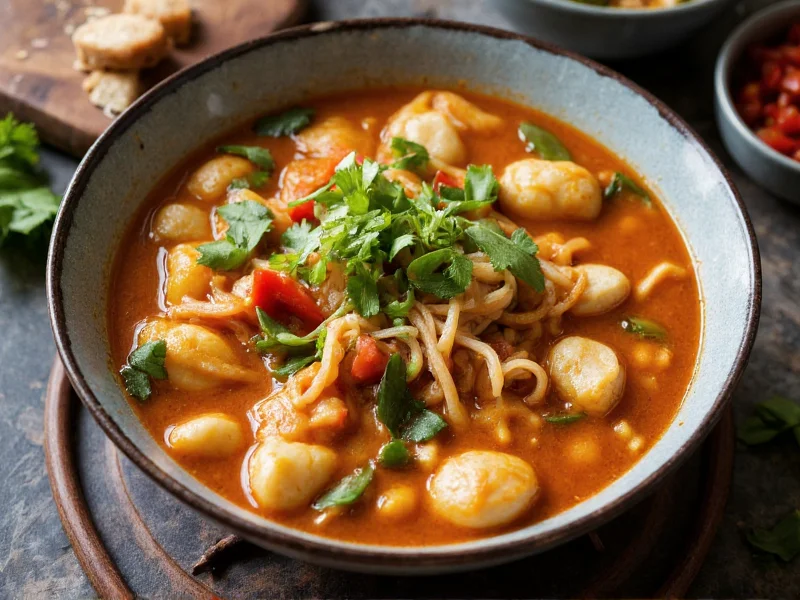
Asian cuisine offers some of the world's most comforting and nutritionally balanced soup recipes, each reflecting centuries of culinary tradition. From the delicate miso soup of Japan to the fiery tom yum of Thailand, these dishes showcase how simple ingredients transform into complex, healing broths through careful technique and cultural wisdom.
Understanding Regional Asian Soup Traditions
Each Asian region has developed distinctive soup-making approaches based on local ingredients and climate needs. Japanese soups emphasize clean flavors and umami depth, often featuring dashi broth. Vietnamese pho represents culinary harmony with its carefully balanced broth simmered for hours. Thai soups incorporate bold contrasts of spicy, sour, and sweet elements. Chinese traditions focus on medicinal properties and yin-yang balance, while Korean soups often feature fermented ingredients and hearty meats.
Historical Development of Key Asian Soups
Understanding the evolution of iconic Asian soups provides context for their current forms. Two notable examples illustrate centuries of culinary adaptation:
Pho: From Street Food to Global Phenomenon
Pho emerged in northern Vietnam during the French colonial period (late 19th century), blending Vietnamese rice noodles with French beef broth techniques. Initially a street food for laborers, it evolved into Vietnam's national dish after the 1954 partition, with regional variations developing in the north (clearer broth, narrower noodles) and south (sweeter broth, wider noodles). The dish gained international prominence following the Vietnam War, with overseas Vietnamese communities adapting ingredients to local availability.
According to the Smithsonian National Museum of Asian Art, "Pho's journey from Hanoi street stalls to global menus reflects both cultural preservation and adaptation, becoming a symbol of Vietnamese identity worldwide." Source
Miso Soup: Ancient Origins to Modern Staple
Miso soup's foundation lies in Japan's dashi tradition, dating back to the Jomon period (14,000–300 BCE). The use of fermented soybean paste (miso) became widespread during the Kamakura period (1185–1333), initially as a military ration. By the Edo period (1603–1868), miso soup had become a daily staple, with regional variations emerging based on local miso production. Modern nutritional studies confirm its probiotic benefits when prepared correctly (miso added below boiling point).
Research from the University of California, Davis Fermentation Institute notes that "traditional miso fermentation produces bioactive compounds with documented health benefits, though thermal processing must be controlled to preserve these elements." Source
Essential Ingredients for Authentic Asian Soup Recipes
Creating genuine Asian soups requires understanding foundational ingredients that form the flavor base:
| Ingredient Category | Common Examples | Primary Function |
|---|---|---|
| Aromatic Bases | Ginger, garlic, shallots, lemongrass | Build flavor foundation and add complexity |
| Umami Enhancers | Miso paste, fish sauce, soy sauce, dried shiitake | Create depth and savory richness |
| Acid Components | Lime juice, rice vinegar, tamarind | Balance richness and brighten flavors |
| Spice Elements | Chili peppers, galangal, Sichuan peppercorns | Add heat and distinctive regional character |
Five Authentic Asian Soup Recipes to Try
Japanese Miso Soup with Tofu and Wakame
This traditional Japanese soup demonstrates simple asian soup recipes for beginners that deliver complex flavors. The key lies in proper dashi preparation and adding miso paste off-heat to preserve probiotics.
Ingredients: Dashi stock (4 cups), white miso paste (3 tbsp), silken tofu (½ cup cubed), rehydrated wakame (2 tbsp), sliced green onions (2 tbsp)
Method: Heat dashi to just below simmering point. Whisk miso into small amount of warm dashi, then return to pot. Add tofu and wakame, heat through without boiling. Garnish with green onions. This quick asian soup recipe takes only 15 minutes when using prepared dashi.
Vietnamese Pho Ga (Chicken Noodle Soup)
Unlike beef pho, this chicken version offers a lighter broth while maintaining the signature anise and cinnamon notes. Proper broth clarification creates the crystal-clear appearance characteristic of authentic pho.
Broth preparation: Simmer chicken bones with charred onion and ginger for 3 hours. Add spice bag (star anise, cinnamon stick, cloves, cardamom) during last hour. Strain thoroughly. Serve with rice noodles, thinly sliced chicken, and fresh herbs. This traditional asian broth recipe requires patience but yields extraordinary results.
Thai Tom Yum Goong (Hot and Sour Shrimp Soup)
The magic of tom yum lies in its perfect balance of spicy, sour, and savory elements. Using fresh lemongrass, galangal, and kaffir lime leaves makes all the difference compared to powdered substitutes.
Key technique: Simmer aromatics in broth before adding shrimp and mushrooms. Finish with lime juice and fish sauce just before serving. Avoid boiling after adding citrus to preserve bright flavor notes. This healthy asian soup recipe comes together in under 30 minutes with proper preparation.
Chinese Hot and Sour Soup
Authentic versions feature a complex interplay of vinegar, white pepper, and umami elements. The signature silky texture comes from properly incorporating the egg ribbon and cornstarch slurry.
Pro tip: Add beaten egg in a slow stream while stirring broth in one direction. This creates delicate ribbons rather than scrambled eggs. For vegetarian asian soup recipes, substitute mushroom broth and omit egg.
Korean Seolleongtang (Ox Bone Soup)
This milky-white broth requires 12-18 hours of simmering to extract collagen from beef bones. The lengthy process creates a rich, nourishing soup traditionally served with rice and kimchi.
Time-saving approach: While traditional preparation takes overnight, modern cooks can achieve good results with 6 hours using a pressure cooker. This authentic asian soup recipe rewards patience with extraordinary depth of flavor.
Mastering Asian Soup Techniques
Creating exceptional Asian soups involves more than following recipes—it requires understanding fundamental techniques:
- Broth clarification: Skim impurities during initial simmering for crystal-clear results
- Layering flavors: Add ingredients in sequence based on required cooking time
- Temperature control: Keep miso-based soups below boiling to preserve beneficial enzymes
- Balancing elements: Adjust seasoning incrementally, tasting after each addition
- Ingredient preparation: Properly slice meats and vegetables for optimal texture
Common Mistakes to Avoid
Even experienced cooks make these errors when preparing easy asian soup recipes for beginners:
- Boiling miso soup after adding the paste (destroys delicate flavors and probiotics)
- Adding all ingredients at once rather than layering flavors
- Using bottled lime juice instead of fresh (alters flavor profile significantly)
- Overcooking delicate ingredients like tofu or leafy greens
- Skipping the skimming step when making bone broths
Dietary Adaptations and Their Limitations
Traditional Asian soups can accommodate various dietary needs, but substitutions may alter authenticity or nutritional profiles. Key considerations include:
- Vegetarian/Vegan: While mushroom or kombu dashi creates a flavorful base, it lacks the complete amino acid profile of fish-based dashi. The Academy of Nutrition and Dietetics states that "plant-based proteins can be combined throughout the day to provide all of the essential amino acids your body needs." Source
- Gluten-Free: Tamari is typically gluten-free, but verify labels as some contain wheat. For individuals with celiac disease, the Celiac Disease Foundation emphasizes that "even small amounts of gluten from cross-contamination can cause intestinal damage," recommending certified gluten-free products. Source
- Low-Sodium: Reducing salt requires careful balancing, as Asian soups rely on sodium-rich ingredients for flavor. The American Heart Association advises an ideal limit of no more than 1,500 mg of sodium per day for most adults to reduce hypertension risk, but traditional broths often exceed this per serving. Source
- Keto-Friendly: Traditional Asian soups are often high in carbohydrates from noodles and sugar. To adapt, eliminate noodles and use low-carb vegetables. The Mayo Clinic explains that "ketogenic diets restrict carbohydrates to 20-50 grams per day to maintain ketosis," making traditional noodle-based soups incompatible without significant modification. Source
Storing and Reheating Asian Soups
Most Asian soups taste better the next day as flavors continue to meld. Store components separately when possible:
- Broth keeps well refrigerated for 5 days or frozen for 3 months
- Store noodles separately to prevent overcooking upon reheating
- Add delicate ingredients like tofu, greens, and citrus after reheating
- Reheat gently over medium-low heat without boiling




 浙公网安备
33010002000092号
浙公网安备
33010002000092号 浙B2-20120091-4