
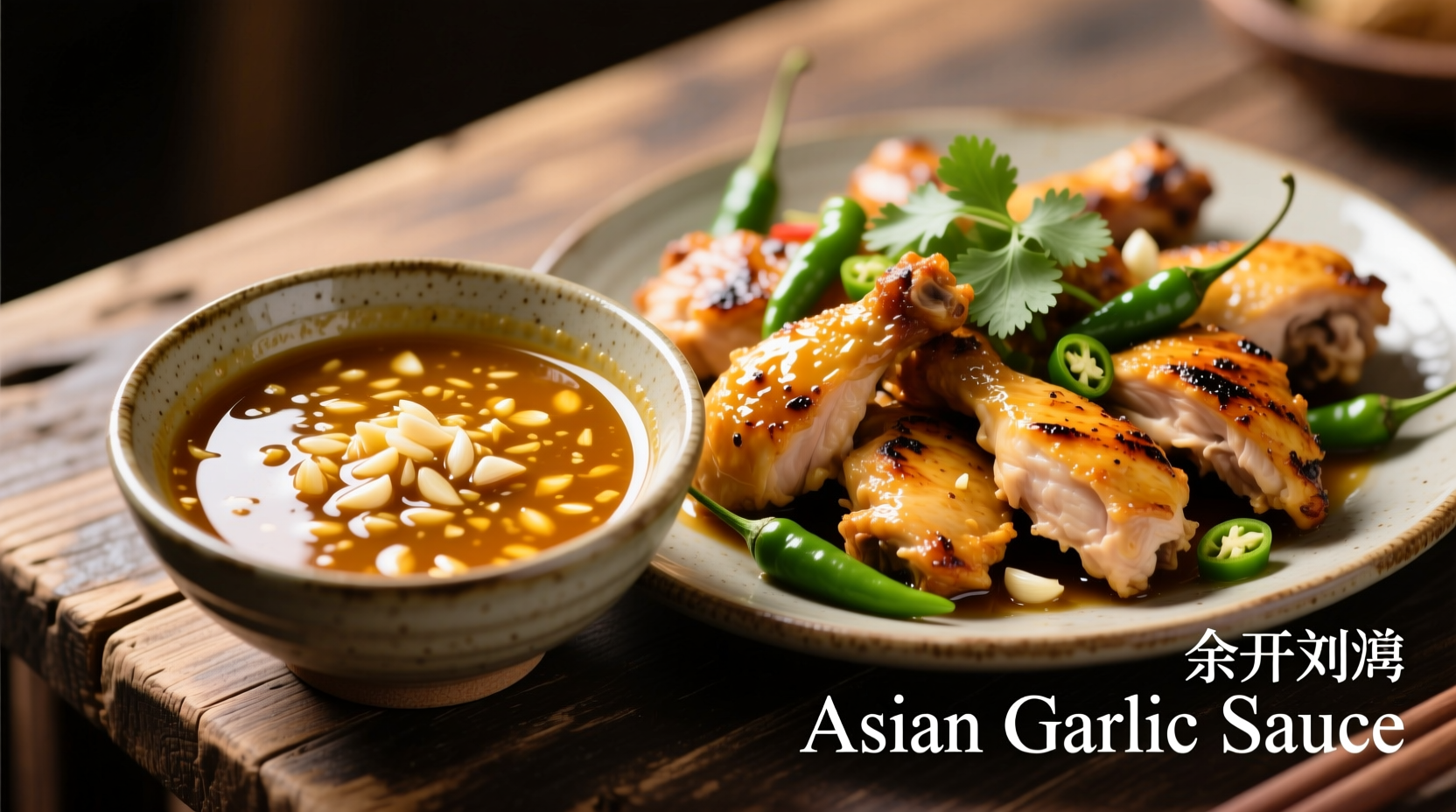
Unlock restaurant-quality Asian garlic chicken at home with this authentic, foolproof sauce recipe. Whether you're cooking for weeknight dinners or special occasions, this guide delivers the precise balance of savory, sweet, and aromatic elements that define exceptional Asian garlic sauce. Forget store-bought versions that lack depth—this homemade alternative uses fresh ingredients to elevate your chicken dishes with complex flavors that complement without overwhelming.
Why This Asian Garlic Sauce Recipe Stands Out
Most garlic sauces rely heavily on garlic powder and bottled seasonings, sacrificing authentic flavor complexity. Professional kitchens achieve depth through three key techniques: fresh garlic preparation, layered seasoning, and proper emulsification. This recipe incorporates those professional methods while remaining accessible for home cooks.
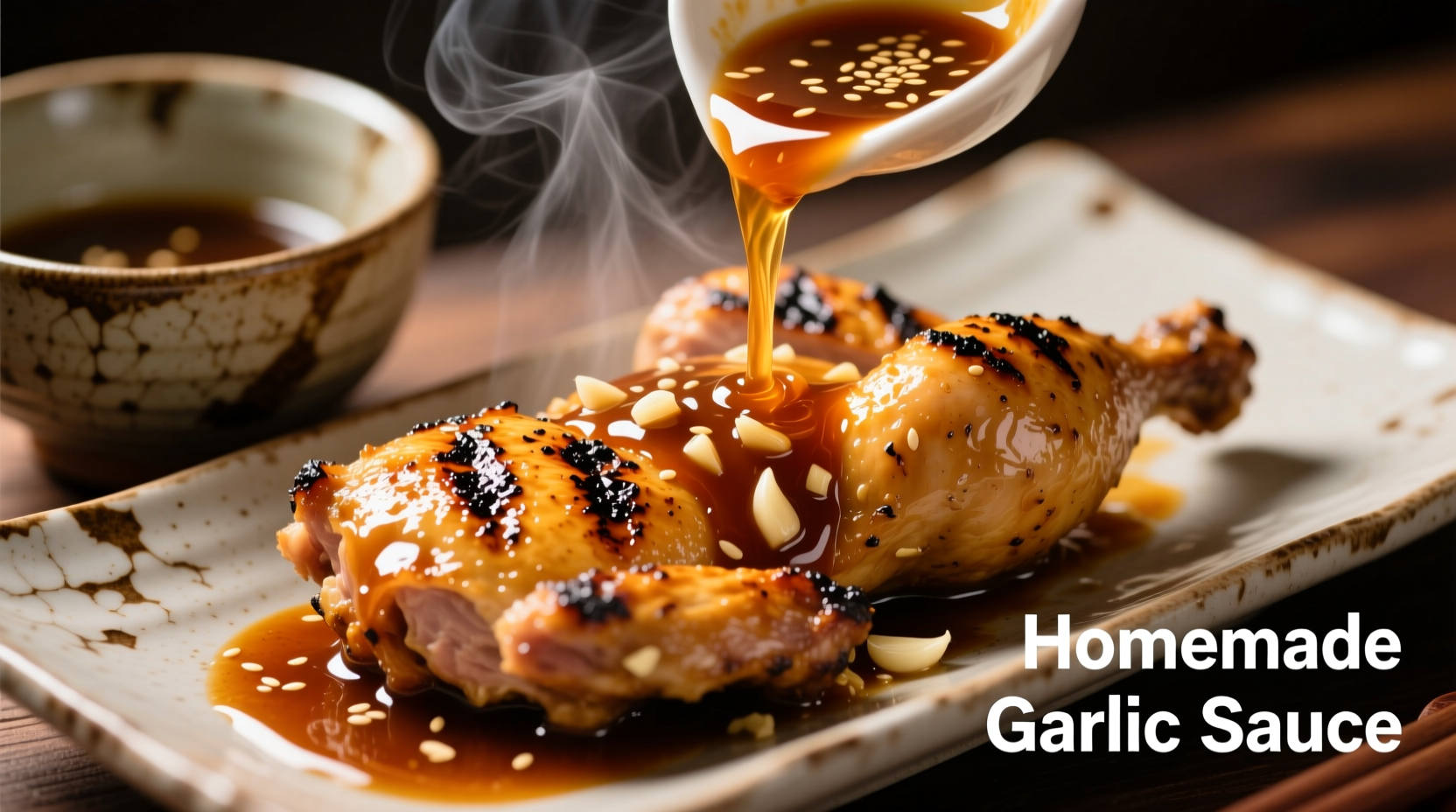
The Evolution of Asian Garlic Sauce: A Culinary Timeline
Garlic-based sauces have evolved significantly across Asian cuisines. While garlic has been used in Chinese cooking for over 2,000 years (according to historical records from the Han Dynasty), the modern stir-fry garlic sauce emerged during the Qing Dynasty (1644-1912) when wok cooking became widespread. The version popular in Western restaurants today reflects adaptations made in 20th century Chinese-American kitchens.
| Era | Key Development | Modern Equivalent |
|---|---|---|
| Ancient China (206 BCE-220 CE) | Garlic used medicinally and as preservative | Foundational use of garlic in Asian cooking |
| Qing Dynasty (1644-1912) | Wok cooking popularizes quick garlic stir-fries | Base technique for modern garlic sauces |
| Early 1900s | Chinese immigrants adapt recipes in America | Sweetened versions for Western palates |
| 1970s-Present | Restaurant-style bottled sauces become popular | Modern commercial Asian garlic sauces |
Essential Ingredients for Authentic Flavor
The magic of exceptional Asian garlic sauce lies in ingredient quality and preparation technique. Here's what you need and why each component matters:
Fresh Garlic: The Non-Negotiable Foundation
Use 4-6 fresh garlic cloves (about 2 tablespoons minced) for optimal flavor. USDA research confirms fresh garlic contains allicin, the compound responsible for both its distinctive flavor and health benefits, which diminishes significantly in pre-minced or powdered forms. Mince garlic finely by hand—food processors create uneven pieces that burn easily.
Soy Sauce Selection Guide
- Light soy sauce (2 tablespoons): Provides saltiness without darkening the sauce excessively
- Dark soy sauce (1 tablespoon): Adds color and subtle caramel notes (optional for deeper flavor)
The Sweetness Balance
Brown sugar (1 tablespoon) works better than white sugar because its molasses content enhances caramelization when cooking. For gluten-free options, use coconut sugar or honey (though honey burns more easily).
Step-by-Step Sauce Preparation
Follow these professional techniques to achieve restaurant-quality results:
Garlic Preparation Technique
- Peel and slice garlic cloves lengthwise
- Place flat side down and gently crush with knife side
- Minced finely using a rocking motion
This method releases optimal flavor compounds while preventing bitterness from over-processing.
Sauce Mixing Protocol
Combine in this exact order to ensure proper emulsification:
- Liquid components first (soy sauce, rice vinegar, sesame oil)
- Dissolve sweetener completely
- Add minced garlic last to preserve freshness
Whisk vigorously for 30 seconds to create a stable emulsion that won't separate during cooking.
Perfect Chicken Cooking Method
For best results with your Asian garlic sauce:
Protein Preparation
- Use boneless, skinless chicken thighs (more flavor and moisture retention than breasts)
- Cut into 1.5-inch pieces for even cooking
- Dry thoroughly with paper towels before cooking
Cooking Process
- Heat 1 tablespoon neutral oil (avocado or grapeseed) in wok or skillet over medium-high heat
- Cook chicken in single layer without crowding until golden (about 3-4 minutes per side)
- Remove chicken and set aside
- Add 2 tablespoons sauce to hot pan and cook 30 seconds until fragrant
- Return chicken to pan, tossing to coat evenly for 1-2 minutes until sauce caramelizes
Regional Variations to Explore
Authentic Asian garlic sauce varies significantly across regions. Understanding these differences helps you customize to your taste preferences:
| Region | Signature Characteristics | Best For |
|---|---|---|
| Cantonese | Milder garlic, subtle sweetness, light soy base | Delicate chicken dishes, steamed preparations |
| Sichuan | Bold garlic, spicy kick from chili oil, stronger vinegar | Stir-fries, robust chicken preparations |
| Korean | Garlic-heavy, gochujang addition, pear juice for sweetness | Grilled chicken, marinades |
| Thai | Fresh garlic with lemongrass, fish sauce base, palm sugar | Grilled or roasted chicken dishes |
Troubleshooting Common Sauce Problems
Avoid these frequent issues with professional solutions:
Bitter Garlic Flavor
Cause: Garlic burned during cooking
Solution: Add garlic to cooled pan before reheating, or cook sauce separately from chicken
Sauce Separation
Cause: Improper emulsification
Solution: Whisk vigorously when combining ingredients and add cornstarch slurry (1 tsp cornstarch + 2 tsp water) when cooking
Overpowering Saltiness
Cause: Too much soy sauce or improper balance
Solution: Add 1 teaspoon rice vinegar and 1/2 teaspoon sugar to counterbalance—never add more liquid
Storage and Food Safety Guidelines
Proper storage maintains both flavor and safety. According to USDA Food Safety and Inspection Service, homemade sauces containing garlic should be refrigerated within 2 hours. Store in airtight container for up to 5 days. For longer storage, freeze in ice cube trays then transfer to freezer bags for up to 3 months.
Perfect Pairings for Your Asian Garlic Chicken
Complete your meal with these authentic accompaniments:
- Rice: Jasmine rice (Thai), short-grain white rice (Chinese), or brown rice for healthier option
- Vegetables: Bok choy, snow peas, or broccoli stir-fried with minimal seasoning
- Garnishes: Thinly sliced scallions, toasted sesame seeds, or fresh cilantro
Advanced Flavor Enhancements
Elevate your Asian garlic sauce with these professional chef techniques:
Umami Boosters
- Add 1/2 teaspoon fish sauce (even in vegetarian versions—it disappears during cooking)
- Include 1 dried shiitake mushroom steeped in warm water, then finely chopped
Aromatic Layering
"Bloom" your garlic by cooking it briefly in oil before adding liquids—this extracts maximum flavor compounds. Add 1 teaspoon grated ginger along with the garlic for complementary aromatic notes.




 浙公网安备
33010002000092号
浙公网安备
33010002000092号 浙B2-20120091-4