
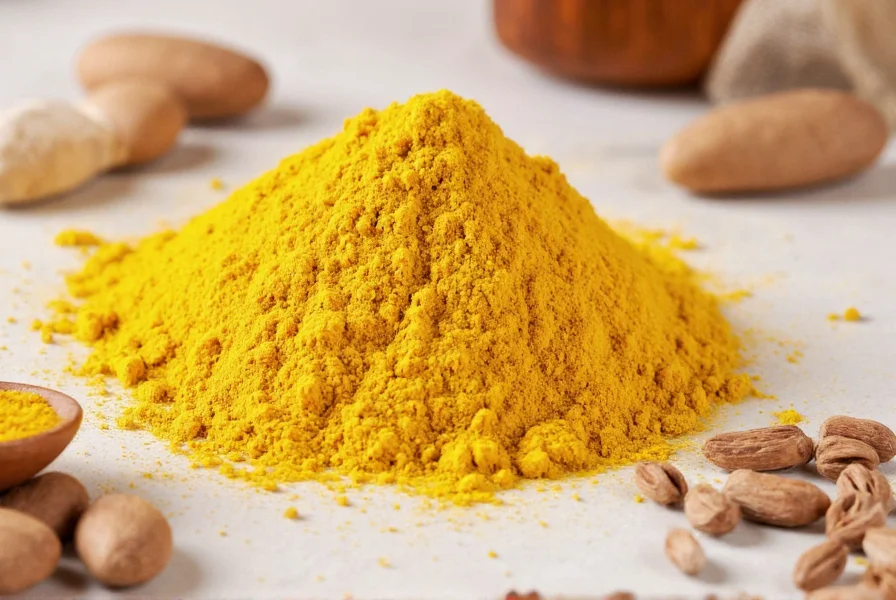
For centuries, this ancient spice has been a cornerstone of Indian cooking, especially in vegetarian and Jain culinary traditions where onion and garlic are prohibited. The transformation that occurs when asafoetida powder meets heat is nothing short of culinary alchemy—its initially overpowering sulfuric aroma mellows into a rich, savory depth that elevates simple ingredients.
What Exactly Is Asafoetida Powder?
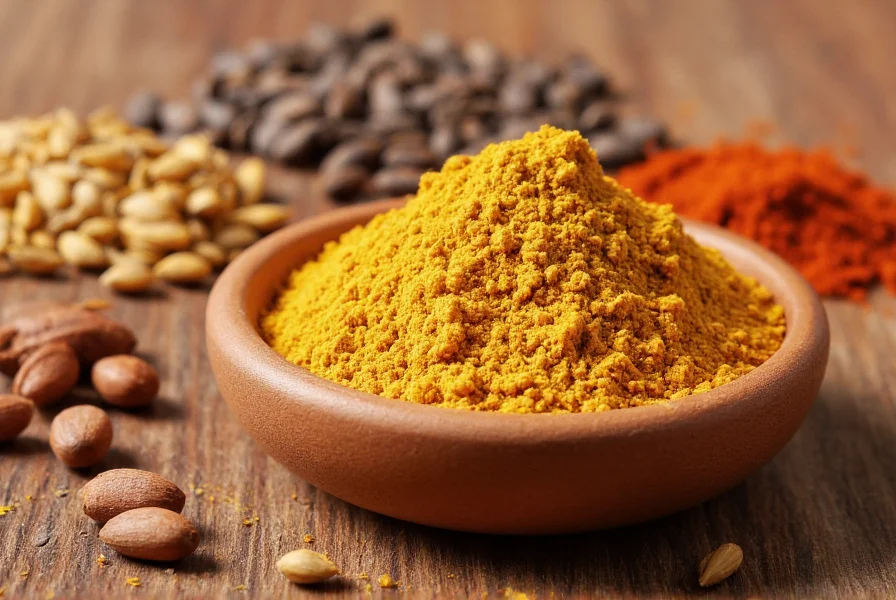
Asafoetida (Ferula assa-foetida) is a gum resin extracted from the roots of several species of the Ferula plant, which grows wild in Afghanistan, Iran, and parts of Central Asia. The raw resin appears as a sticky, amber-colored substance that's mixed with flour or rice powder (typically 10-20% resin to 80-90% carrier) to create the familiar yellowish powder found in spice racks worldwide. This processing makes the potent resin easier to handle and measure for home cooks.
Historical Evolution and Global Adoption
| Time Period | Key Development | Documented Evidence |
|---|---|---|
| 6th century BCE | First medicinal use recorded in Persian medical texts | NCBI Historical Review |
| 3rd century CE | Appears in Chinese herbal compendium Mingyi Bielu as abdominal pain treatment | NCBI Historical Review |
| 10th century | Integrated into Ayurvedic medicine via Persian trade routes | NCBI Historical Review |
| 16th century | European explorers document widespread use in Indian vegetarian cuisine | NCBI Historical Review |
| 19th century | British colonial records note role in preventing legume-related flatulence | NCBI Historical Review |
The distinctive smell—often compared to rotten eggs or sulfur—comes from its high concentration of sulfur compounds. However, when exposed to heat in oil or ghee, these compounds transform, producing flavors reminiscent of leeks, garlic, and onion without actually containing any alliums. This chemical transformation explains why asafoetida powder is considered essential in many vegetarian dishes where traditional flavor bases are restricted.
Culinary Applications of Asafoetida Powder
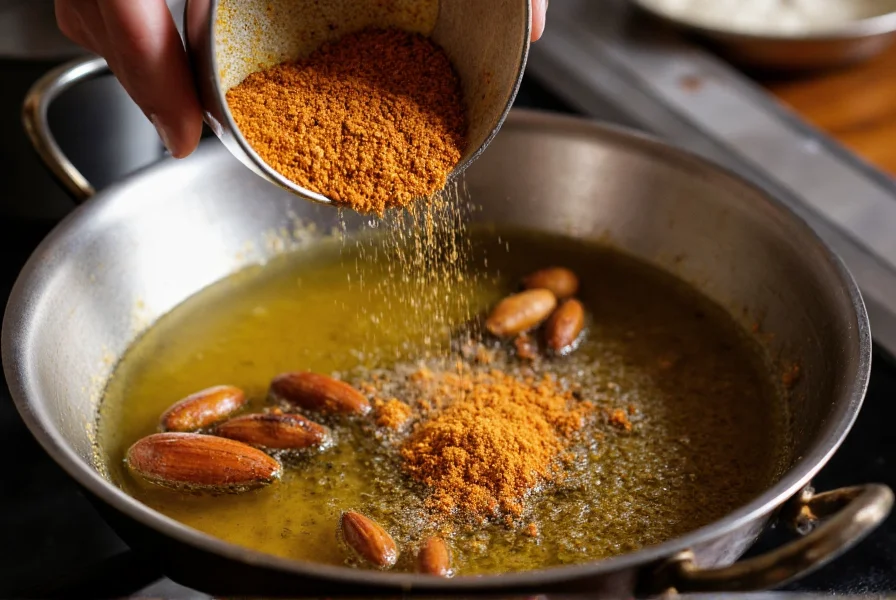
Understanding how to properly use asafoetida powder separates novice cooks from those who've mastered its potential. The key technique involves tempering—adding the powder to hot oil or ghee at the beginning of cooking. This critical step allows the sulfur compounds to mellow while distributing flavor throughout the dish.
| Dish Type | Recommended Amount | Best Added |
|---|---|---|
| Dal (lentil dishes) | 1/4 teaspoon | During tempering with cumin seeds |
| Vegetable curries | 1/8-1/4 teaspoon | With other whole spices in hot oil |
| Flatbreads | Pinch | Mixed into dough |
| Soups and stews | 1/8 teaspoon | When sautéing aromatics |
Overusing asafoetida powder creates an unpleasant medicinal flavor, while too little won't provide the desired depth. The ideal amount varies based on the resin concentration in your specific product—higher quality powders with greater resin content require less quantity.
Health Considerations: Traditional Uses vs. Scientific Validation
| Claimed Benefit | Traditional Application | Current Scientific Support | Evidence Source |
|---|---|---|---|
| Digestive aid (reduces gas) | Routine addition to lentils in Indian cuisine | Validated in vitro; limited human trials show modest reduction in bloating | NCBI Review |
| Anti-inflammatory | Treatment for arthritis and respiratory issues | Animal studies confirm effects; no robust human clinical trials | NCBI Review |
| Antimicrobial properties | Traditional food preservative and wound treatment | Lab studies confirm activity against pathogens; not validated for human use | NCBI Review |
Contextual Limitations and Safety Boundaries
Asafoetida powder's effectiveness is constrained by specific scenarios and physiological factors:
- Raw consumption: Should never be used in uncooked applications (e.g., chutneys or salads) due to gastrointestinal irritation risk from volatile compounds. (NCBI Review)
- Allergy considerations: Contraindicated for individuals with Apiaceae family allergies (carrots, celery, parsley) due to cross-reactivity potential. The European Food Safety Authority identifies it as a potential allergen source. (EFSA Opinion)
- Dosage sensitivity: Exceeding 500 mg daily may cause headache or tachycardia, particularly in individuals with cardiovascular conditions. (NCBI Review)
For those with digestive sensitivities, the small amounts typically used in cooking make asafoetida powder generally well-tolerated. However, individuals with iodine allergies should exercise caution, as some asafoetida products contain iodine-based anti-caking agents. Those following a low-FODMAP diet for IBS management may find asafoetida powder beneficial as a flavor enhancer that doesn't trigger symptoms like garlic and onion often do.
Storage and Quality Considerations for asafoetida powder
Proper storage dramatically affects asafoetida powder's shelf life and potency. Exposure to air causes the volatile compounds to evaporate, diminishing both the initial pungency and the desirable cooked flavor. For maximum freshness:
- Store in an airtight container away from light and heat
- Keep away from strong-smelling spices that might contaminate it
- Refrigeration extends shelf life to 18-24 months (vs 6-12 months at room temperature)
- Check for fading color or diminished aroma as signs of degradation
When shopping for asafoetida powder, look for products with a clear resin-to-carrier ratio. Higher quality versions contain 20-30% resin (darker yellow color), while lower quality versions may contain as little as 4-5% resin (paler color). Pure asafoetida resin without fillers exists but requires special handling and precise measurement that's challenging for most home cooks.
Effective Substitutes for asafoetida powder
Finding suitable asafoetida powder substitutes depends on your specific dietary needs and flavor goals. While no single ingredient perfectly replicates its unique transformation during cooking, these alternatives work in various contexts:
- Garlic and onion combo - For non-vegetarian diets, 1 minced garlic clove + 1/4 cup minced onion provides similar umami
- Fennel seeds - Offers mild licorice notes that complement similar dishes (use 1/2 teaspoon crushed)
- Butter substitute - For vegan applications, 1/2 teaspoon vegan butter + pinch of garlic powder
- Seaweed flakes - Kombu or dulse provides umami depth without alliums (use sparingly)
When substituting in traditional Indian recipes, remember that asafoetida serves both flavor and functional purposes—it helps prevent gas from legumes. None of these alternatives provide this specific benefit, so digestive enzymes might be necessary when making substitutions in lentil dishes.
Common Misconceptions About Asafoetida Powder
Many home cooks avoid asafoetida powder due to misconceptions about its strong raw odor. Understanding these myths helps unlock its culinary potential:
- Myth: The strong smell remains in cooked dishes
Reality: Proper tempering transforms the sulfur compounds into savory flavors - Myth: Asafoetida powder is just for religious dietary restrictions
Reality: Its flavor-enhancing properties benefit all cuisines, not just vegetarian cooking - Myth: All asafoetida products are the same
Reality: Quality varies significantly based on resin concentration and freshness
Professional chefs often describe asafoetida powder as the " MSG of Indian cuisine"—not because of similar composition, but because of its ability to enhance savory notes in plant-based dishes. When used correctly, it creates depth that would otherwise require animal products or alliums.
Practical Tips for Cooking with Asafoetida Powder
Mastering asafoetida powder requires attention to timing and technique. These professional tips ensure optimal results:
- Add to hot oil before other spices to allow proper blooming
- Cover the pan immediately after adding to contain the initial vapor
- Use a dedicated small spoon to prevent cross-contamination with other spices
- For sensitive palates, start with 1/8 teaspoon and adjust upward
- Combine with turmeric for enhanced color and flavor synergy
When experimenting with asafoetida powder in non-traditional recipes, consider its role as a flavor catalyst rather than a dominant taste. In Western dishes like roasted vegetables or bean soups, a tiny amount (1/16 teaspoon) can add complexity without making the dish taste "Indian." This versatility explains why innovative chefs worldwide are rediscovering this ancient spice.




 浙公网安备
33010002000092号
浙公网安备
33010002000092号 浙B2-20120091-4