
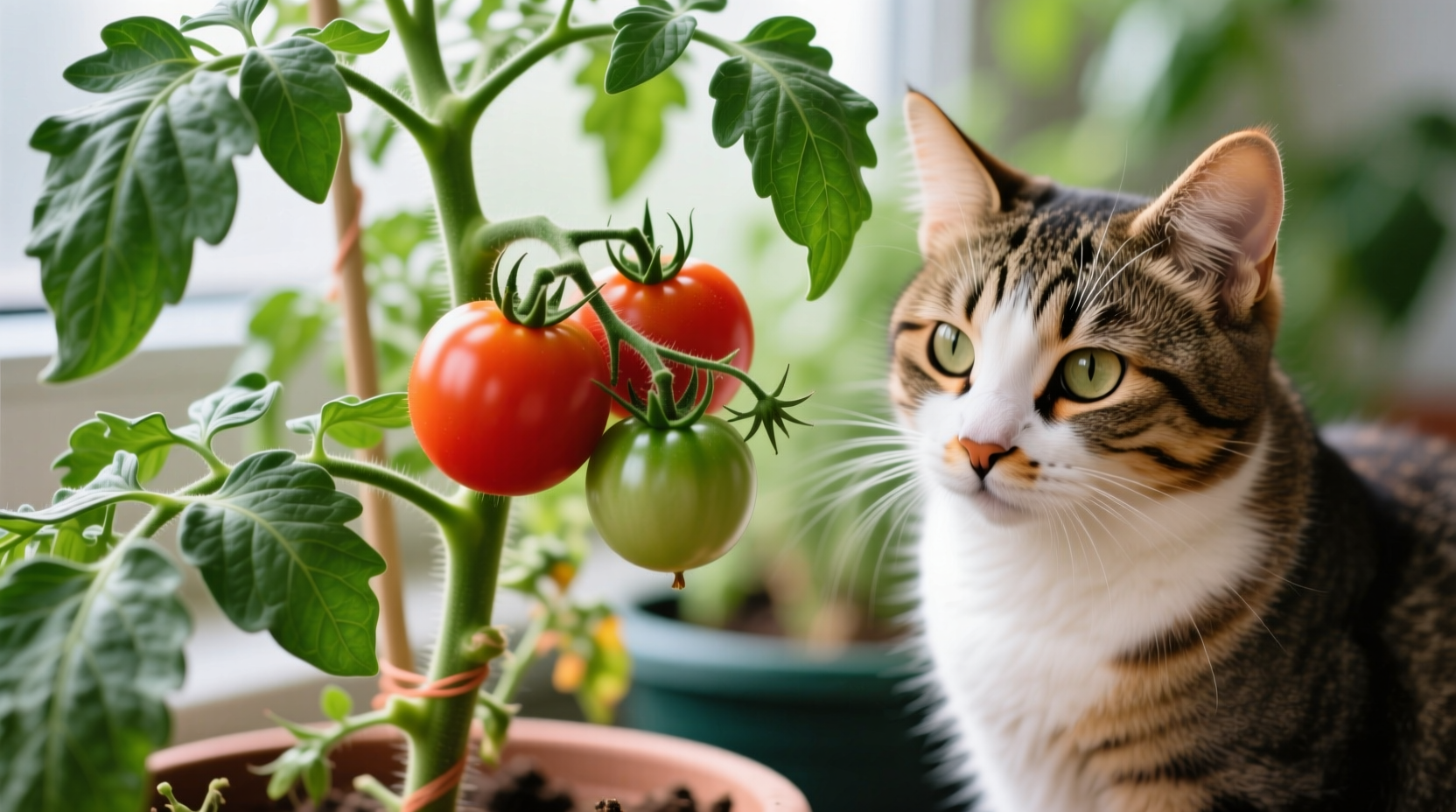
Understanding Tomato Plant Toxicity for Cat Owners
If you're growing tomatoes in your garden or keeping them as houseplants, it's crucial to understand the risks to your feline companions. Many cat owners wonder are tomato plants poisonous to cats, and the answer requires understanding which parts pose the greatest danger.
Why Tomato Plants Are Toxic to Cats
Tomato plants (Solanum lycopersicum) belong to the nightshade family, which includes other toxic plants like potatoes and eggplants. The primary toxic compounds in tomato plants are:
- Solanine - Found throughout the plant
- Tomatine - Concentrated in leaves, stems, and unripe fruit
These glycoalkaloids protect the plant from pests but can disrupt a cat's nervous system and gastrointestinal tract when ingested. Cats lack certain enzymes that would help them process these compounds, making them particularly vulnerable.
| Plant Part | Toxicity Level | Key Compounds | Safety Recommendation |
|---|---|---|---|
| Leaves & Stems | High | Tomatine, Solanine | Avoid completely - most dangerous parts |
| Unripe Green Tomatoes | High | Tomatine | Keep away from cats |
| Ripe Red Tomatoes | Low | Minimal tomatine | Small amounts generally safe but not recommended |
| Tomato Products (sauce, paste) | Variable | Depends on preparation | Avoid due to potential additives |
Symptoms of Tomato Plant Poisoning in Cats
Recognizing the signs of tomato plant toxicity early can save your cat's life. Symptoms typically appear within 2-10 hours after ingestion and may include:
- Vomiting and diarrhea
- Excessive drooling
- Lethargy or weakness
- Confusion or disorientation
- Dilated pupils
- Loss of appetite
- Abnormal heart rate
- In severe cases: tremors or seizures
The ASPCA Animal Poison Control Center confirms that tomato plant ingestion can lead to serious health complications in cats, particularly when larger quantities of the toxic parts are consumed.
What to Do If Your Cat Eats Tomato Plant Parts
If you suspect your cat has ingested any part of a tomato plant, follow these immediate steps:
- Remove remaining plant material from your cat's mouth and environment
- Contact your veterinarian immediately or the ASPCA Animal Poison Control Center (888-426-4435)
- Have this information ready for the vet:
- Approximate amount ingested
- Which plant parts were consumed
- Time of ingestion
- Current symptoms
- Do not induce vomiting unless specifically instructed by a professional
Professional treatment may include activated charcoal to absorb toxins, IV fluids to prevent dehydration, and medications to control symptoms. Most cats recover fully with prompt treatment, but severe cases can be life-threatening.
Preventing Tomato Plant Exposure for Cats
For cat owners who enjoy gardening, prevention is the best approach to keep your feline friend safe:
- Elevate tomato plants in hanging baskets or raised beds out of reach
- Create physical barriers around garden areas with chicken wire or fencing
- Provide cat-safe alternatives like catnip or wheatgrass in separate areas
- Supervise outdoor time when cats are near garden spaces
- Consider container gardening on patios or balconies inaccessible to cats
According to veterinary toxicology studies, the concentration of tomatine decreases significantly as tomatoes ripen. While ripe red tomatoes are generally considered safe in very small amounts, they offer no nutritional benefit to cats and could still cause digestive upset. It's best to avoid offering any tomato products to your cat.
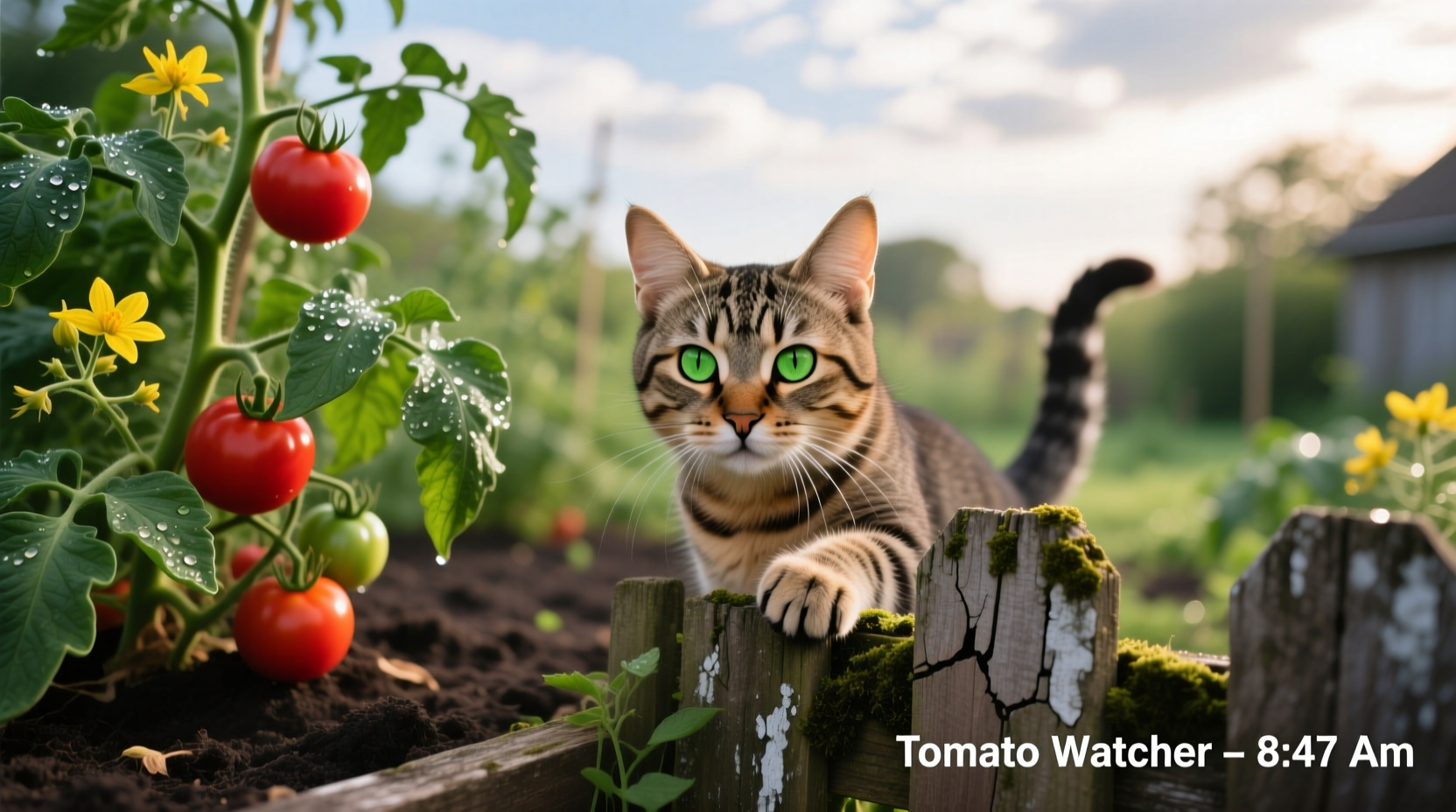
Safe Plant Alternatives for Cat-Friendly Gardens
If you want to maintain a garden that's both beautiful and safe for your cat, consider these non-toxic alternatives:
- Marigolds (Tagetes species)
- Blueberries (Vaccinium species)
- Thyme (Thymus vulgaris)
- Basil (Ocimum basilicum)
- Zinnias (Zinnia elegans)
- Calendula (Calendula officinalis)
Always verify plant safety through the ASPCA's comprehensive plant toxicity database before adding new plants to your garden or home.
When to Seek Emergency Veterinary Care
While mild exposure might only cause temporary digestive upset, certain symptoms require immediate veterinary attention:
- Continuous vomiting or diarrhea lasting more than 4 hours
- Difficulty breathing
- Seizures or tremors
- Extreme lethargy or inability to stand
- Signs of abdominal pain
Remember that are tomato plants poisonous to cats isn't just a theoretical question—it's a real safety concern for pet owners. The severity of symptoms depends on the amount consumed and your cat's size and health status. When in doubt, always consult a professional rather than waiting for symptoms to develop.
Common Questions About Tomato Plants and Cats
Many cat owners have specific concerns about tomato plant exposure. Here are answers to frequently asked questions based on veterinary guidance:




 浙公网安备
33010002000092号
浙公网安备
33010002000092号 浙B2-20120091-4