
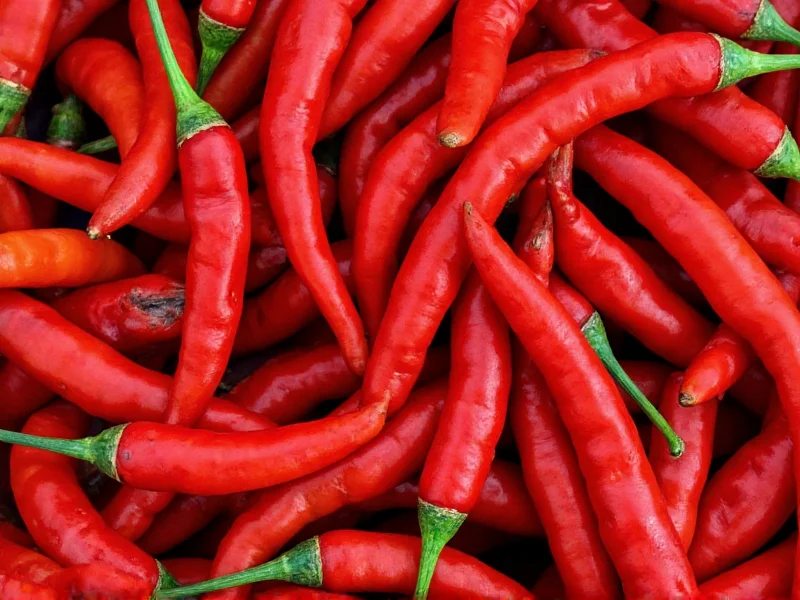
When exploring how spicy are Thai chilies really are, it's essential to understand their position on the Scoville scale—the standard measurement for chili pepper heat. Thai chilis, also known as bird's eye chilis or prik kee noo in Thailand, deliver a sharp, immediate heat that builds quickly and lingers longer than many other hot peppers.
Thai Chili Heat Level Explained
The spiciness of Thai chilis comes from capsaicin, the chemical compound responsible for the burning sensation we associate with hot peppers. What makes Thai bird's eye chili heat level particularly noteworthy is its consistency across varieties—most authentic Thai chilis fall within that 50,000-100,000 SHU range, though some regional varieties can exceed 100,000 SHU.
Unlike larger peppers where heat can vary dramatically based on growing conditions, Thai chilis maintain relatively consistent heat levels due to their genetic makeup. This reliability makes them a favorite among chefs who need predictable heat in their dishes.
| Pepper Variety | Scoville Heat Units | Heat Comparison |
|---|---|---|
| Thai Chili | 50,000-100,000 | 10-40x hotter than jalapeño |
| Jalapeño | 2,500-8,000 | Baseline for medium heat |
| Habanero | 100,000-350,000 | Slightly to significantly hotter |
| Cayenne | 30,000-50,000 | Slightly milder than Thai chili |
| Serrano | 10,000-25,000 | 2-5x milder than Thai chili |
Different Types of Thai Chilis and Their Heat Profiles
While most people refer to "Thai chilis" as a single entity, Thailand actually has several varieties with subtle differences in heat and flavor:
- Prik Kee Noo (Bird's Eye Chili) - The most common variety found internationally, typically red or green, with consistent high heat
- Prik Chee Fah (Sky Pointing Chili) - Longer and slightly milder than bird's eye, often used in Thai curries
- Prik Yuak (Cayenne-type) - Less common in Western markets but used in some regional Thai dishes
Interestingly, the color of Thai chilis doesn't reliably indicate heat level. Both green and red Thai chilis can be equally hot, though red varieties tend to have slightly more developed flavor notes while green ones deliver a sharper, more vegetal heat.
Historical Journey of Thai Chilis
Despite their deep integration into Thai cuisine today, chilies are not native to Southeast Asia. Historical evidence shows that Thai chilis arrived in Thailand through Portuguese traders in the 16th century, after Christopher Columbus brought chilies from the Americas to Europe. According to research by New Mexico State University's Chile Pepper Institute, the first recorded introduction of chilies to Asia occurred around 1542 via Portuguese ships docking in Goa, India, from where they spread rapidly across the continent.
By the late 18th century, Thai culinary records began documenting chili use, with royal court recipes incorporating these fiery peppers. The integration was so complete that by the 19th century, chilies became indispensable in Thai cooking—replacing traditional local spices like Sichuan pepper. This historical shift transformed Thai cuisine's flavor profile, establishing the balance of spicy, sour, sweet, and salty that defines it today.
Source: Bosland, P.W. (2016). The History and Dispersal of Capsicum. New Mexico State University. https://aces.nmsu.edu/pubs/_h/h-230.pdf
Why Thai Chilis Feel Different Than Other Hot Peppers
The unique heat experience of Thai chilis comes from more than just their Scoville rating. Unlike habaneros that produce a slow-building, fruity heat concentrated in the back of the throat, Thai chilis deliver an immediate, sharp burn that affects the entire mouth. This is due to the specific capsaicinoid profile—they contain higher proportions of dihydrocapsaicin, which creates a more intense, faster-acting sensation.
When cooking with Thai chilis, remember that are Thai chilis hotter than jalapenos is almost always yes—typically by a factor of 10-40 times. A single Thai chili can easily substitute for an entire jalapeño in recipes, so adjust accordingly to avoid overwhelming heat.
Handling Thai Chilis Safely in the Kitchen
Working with such potent peppers requires proper precautions:
- Always wear gloves when handling Thai chilis, especially when cutting or seeding them
- Avoid touching your face, particularly eyes, during and after handling
- Wash hands thoroughly with soap and water (not just rinsing) after handling
- Use separate cutting boards for hot peppers to prevent cross-contamination
- Remove seeds and white membranes for slightly less heat (though Thai chilis remain hot even without these parts)
If you accidentally get Thai chili oil on your skin, wash with dish soap or apply milk to neutralize the capsaicin. For eye exposure, flush immediately with water and seek medical attention if irritation persists.
When Thai Chilis Aren't the Right Choice: Contextual Limitations
While versatile, Thai chilis have important limitations that cooks should understand. Their extreme heat makes them unsuitable for dishes targeting children or individuals with gastrointestinal sensitivities. The National Center for Biotechnology Information (NCBI) notes that capsaicin can exacerbate conditions like irritable bowel syndrome (IBS) and peptic ulcers, recommending avoidance for affected individuals.
Culinary context also matters: Thai chilis overpower subtle flavors in dishes like cream-based sauces or delicate seafood preparations. Traditional Thai cooking itself demonstrates this awareness—many regional dishes use milder peppers (like Prik Chee Fah) for specific applications, reserving bird's eye chilis for dishes where intense heat is essential.
Additionally, food safety guidelines from the USDA emphasize that capsaicin exposure risks increase with improper handling, making Thai chilis inadvisable for novice cooks without proper protective measures. Always consider your audience's heat tolerance and health conditions before incorporating these potent peppers.
Source: NCBI. (2018). Capsaicin: Current Understanding of Its Mechanisms and Therapy of Pain and Other Disorders. https://www.ncbi.nlm.nih.gov/pmc/articles/PMC6164548/
Thai Chili Substitutes When You Can't Find Them
If you're wondering about Thai chili substitutes for recipes, several options exist depending on your heat tolerance:
- Serrano peppers - About 1/3 to 1/2 the heat of Thai chilis, good for milder versions of Thai dishes
- Fresh red cayenne - Closest heat match, though slightly different flavor profile
- Habanero (use sparingly) - Much hotter, so use 1/4 to 1/2 of a habanero per Thai chili called for
- Dried arbol chilis - Soak in hot water first, then use in similar quantities
- Crushed red pepper flakes - Use 1/4 teaspoon per fresh Thai chili (less precise but accessible)
Remember that no substitute perfectly replicates the unique flavor of fresh Thai chilis, which have a bright, slightly floral note beneath the heat. For authentic Thai cuisine, seeking out the real ingredient is worth the effort.
How Thai People Use These Fiery Peppers
In Thailand, where Thai chili pepper varieties are integral to the cuisine, these peppers are used with remarkable precision. Thai cooks understand that the heat serves a purpose beyond just making food spicy—it enhances other flavors, stimulates appetite, and provides the characteristic "phrik" (spicy) element that balances sweet, sour, salty, and bitter tastes in Thai cooking.
Most Thai dishes use Thai chilis judiciously. A traditional Thai meal might include multiple dishes with varying heat levels, allowing diners to customize their spice experience. Street food vendors often serve chilis on the side, letting customers add heat according to their tolerance.




 浙公网安备
33010002000092号
浙公网安备
33010002000092号 浙B2-20120091-4