
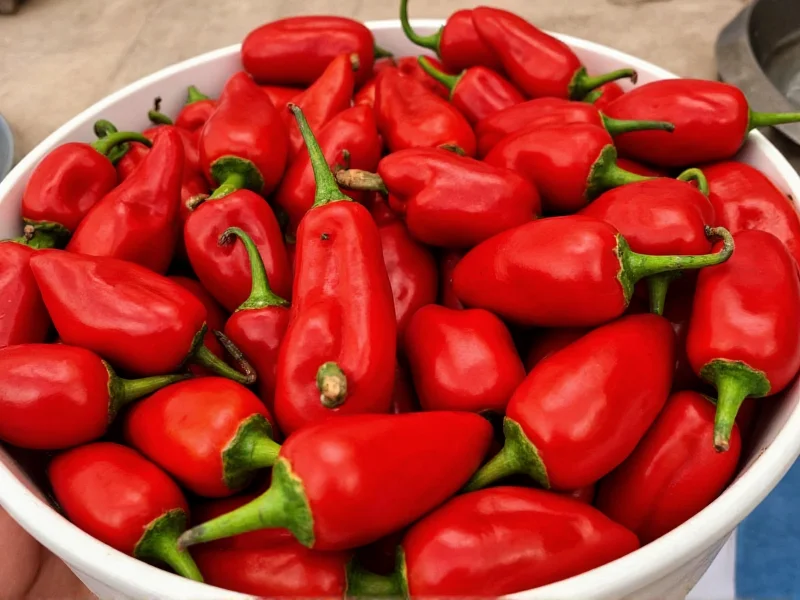
When exploring are pasilla peppers spicy, it's essential to understand their precise position on the heat spectrum. These dried chilaca peppers—often called chile negro in Mexico—provide a subtle kick that enhances dishes without overwhelming them. Unlike their fiery cousins like habaneros or ghost peppers, pasilla peppers deliver what culinary experts describe as a 'slow-building warmth' that complements rather than dominates.
Understanding Pasilla Pepper Heat Levels
The Scoville scale measures capsaicin concentration, the compound responsible for pepper heat. Pasilla peppers sit comfortably in the lower-moderate range:
| Pepper Variety | Scoville Heat Units (SHU) | Heat Comparison |
|---|---|---|
| Pasilla | 1,000–2,500 | Mild to moderate |
| Jalapeño | 2,500–8,000 | Moderate |
| Serrano | 10,000–23,000 | Hot |
| Habanero | 100,000–350,000 | Very hot |
This pasilla pepper heat level comparison shows why they're considered approachable for those new to spicy foods. Their heat develops gradually, allowing the rich, complex flavors to shine through. Many chefs prefer pasillas specifically because their mild spiciness of pasilla peppers won't mask other ingredients.
Flavor Profile Beyond the Heat
While answering how spicy are pasilla peppers, we must consider their full flavor profile. These peppers offer:
- Earthy, tobacco-like notes
- Pronounced raisin and prune sweetness
- Subtle smokiness
- Chocolate undertones
- Leather and dried fruit complexity
The name "pasilla" means "little raisin" in Spanish, referencing both their wrinkled appearance and sweet characteristics. This explains why many people ask are pasilla peppers hotter than jalapenos—they're actually milder, with jalapeños starting at the upper range of pasilla's heat level.
Culinary Applications of Pasilla Peppers
Chefs value pasilla peppers for their balanced heat and rich flavor. They work exceptionally well in:
- Moles (particularly mole negro)
- Adobo sauces
- Stews and braises
- Marinades for meats
- Vegetable dishes requiring depth
When rehydrating dried pasillas—a common preparation method—their heat remains stable while their complex flavors intensify. This makes them ideal for cooking with pasilla peppers for beginners, as their manageable heat allows new cooks to experiment without fear of creating inedibly spicy dishes.
Substitutes When Pasilla Peppers Aren't Available
If you're wondering what pepper is similar to pasilla, consider these alternatives:
- Ancho peppers: Slightly sweeter with comparable heat (1,000–2,000 SHU)
- Guajillo peppers: Brighter fruitiness with similar mild heat (2,500–5,000 SHU)
- Mulato peppers: Richer, chocolatey notes with comparable heat (2,500–3,000 SHU)
For those specifically seeking milder alternatives to pasilla peppers, bell peppers provide zero heat but lack the complex flavor profile. Poblano peppers (1,000–2,000 SHU) offer the closest fresh alternative, though they're typically used fresh rather than dried like pasillas.
Selecting and Storing Pasilla Peppers
When choosing pasilla peppers, look for:
- Deep, purplish-brown color (avoid faded specimens)
- Flexible texture (brittle peppers indicate age)
- Intact skin without cracks or holes
- Rich, earthy aroma
Store dried pasillas in an airtight container away from light and heat. Properly stored, they maintain quality for 6-12 months. For extended storage, keep them in the freezer where they'll retain flavor for up to two years. This addresses common concerns about how long do pasilla peppers last when properly stored.
Common Misconceptions About Pasilla Heat
Several myths persist about are dried pasilla peppers spicy. Let's clarify:
- Myth: Drying increases heat significantly
Reality: While concentration occurs, pasillas remain mild-to-moderate - Myth: All dark chilies are extremely hot
Reality: Color doesn't correlate directly with heat level - Myth: Removing seeds eliminates all heat
Reality: While seeds contain concentrated capsaicin, the pepper flesh still provides warmth
Understanding these facts helps cooks accurately gauge how hot are pasilla peppers compared to other varieties and use them effectively in recipes.




 浙公网安备
33010002000092号
浙公网安备
33010002000092号 浙B2-20120091-4