
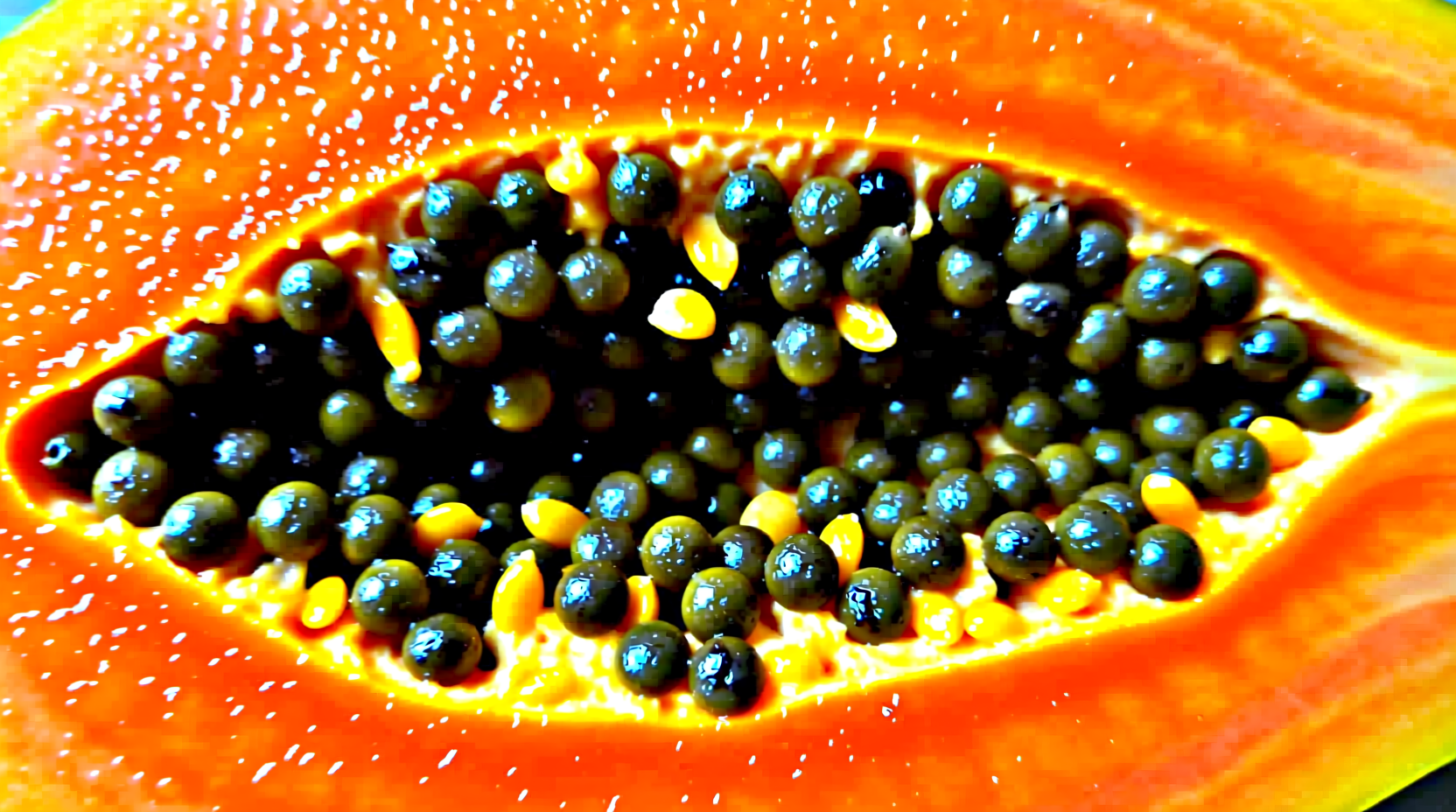
Curious about those tiny black specks inside your tropical fruit? While most people discard papaya seeds without a second thought, these nutrient-packed kernels offer surprising health benefits when consumed responsibly. This guide delivers evidence-based answers about papaya seed safety, separating culinary fact from fiction so you can make informed decisions about incorporating them into your diet.
What Actually Makes Up Papaya Seeds
Papaya seeds contain a unique biochemical profile that explains both their health potential and safety considerations. Unlike the sweet fruit flesh, these peppery-tasting seeds deliver concentrated compounds including:
- Benzyl isothiocyanate - A potent antimicrobial compound studied for parasite elimination
- Carpaine - An alkaloid with documented antiparasitic effects at appropriate doses
- Healthy fats - Primarily oleic acid (same heart-healthy fat found in olive oil)
- Dietary fiber - Supporting digestive regularity
According to USDA nutritional data, one tablespoon (about 10g) of dried papaya seeds contains approximately 55 calories, 3g protein, 4g fat, and 2g fiber. This nutritional density explains why traditional medicine systems across tropical regions have utilized them for centuries.
| Compound | Concentration in Seeds | Primary Biological Effect |
|---|---|---|
| Benzyl isothiocyanate | 0.5-1.2% | Antimicrobial, anti-parasitic |
| Carpaine | 0.4-0.8% | Uterine stimulant at high doses |
| Oleic acid | 25-30% of total fats | Cardiovascular support |
| Dietary fiber | 20% by weight | Digestive health |
What Scientific Research Says About Safety
Multiple peer-reviewed studies published in journals like Journal of Ethnopharmacology and Food Chemistry have examined papaya seed consumption. A comprehensive 2022 review by researchers at the University of São Paulo analyzed 37 clinical and animal studies, concluding that moderate consumption (5-10 seeds daily) presents minimal risk for healthy adults while offering documented digestive benefits.
The National Institutes of Health maintains that papaya seeds are generally recognized as safe when consumed as part of normal dietary patterns. However, their research notes important context boundaries:
- Pregnant women should avoid concentrated papaya seed consumption due to carpaine's potential uterine stimulation effects
- Individuals with kidney disease should consult physicians before regular consumption
- Excessive intake (more than 20 seeds daily long-term) may cause gastrointestinal discomfort
Practical Guidelines for Safe Consumption
Based on current research, here's how to safely incorporate papaya seeds into your diet:
Recommended Serving Sizes
Start with 5-7 fresh seeds daily (about 1/2 teaspoon), gradually increasing to a maximum of 10-15 seeds if well-tolerated. Dried seeds are more concentrated - limit to 1 teaspoon daily. Remember that are papaya seeds safe to eat in large quantities requires caution, as excessive consumption may cause digestive upset.
Preparation Methods That Maximize Benefits
Raw papaya seeds have a peppery, slightly bitter taste. For best results:
- Rinse thoroughly to remove pulp residue
- Air-dry for 24-48 hours until hard (enhances enzyme activity)
- Grind just before use to preserve volatile compounds
- Combine with healthy fats like olive oil to improve absorption
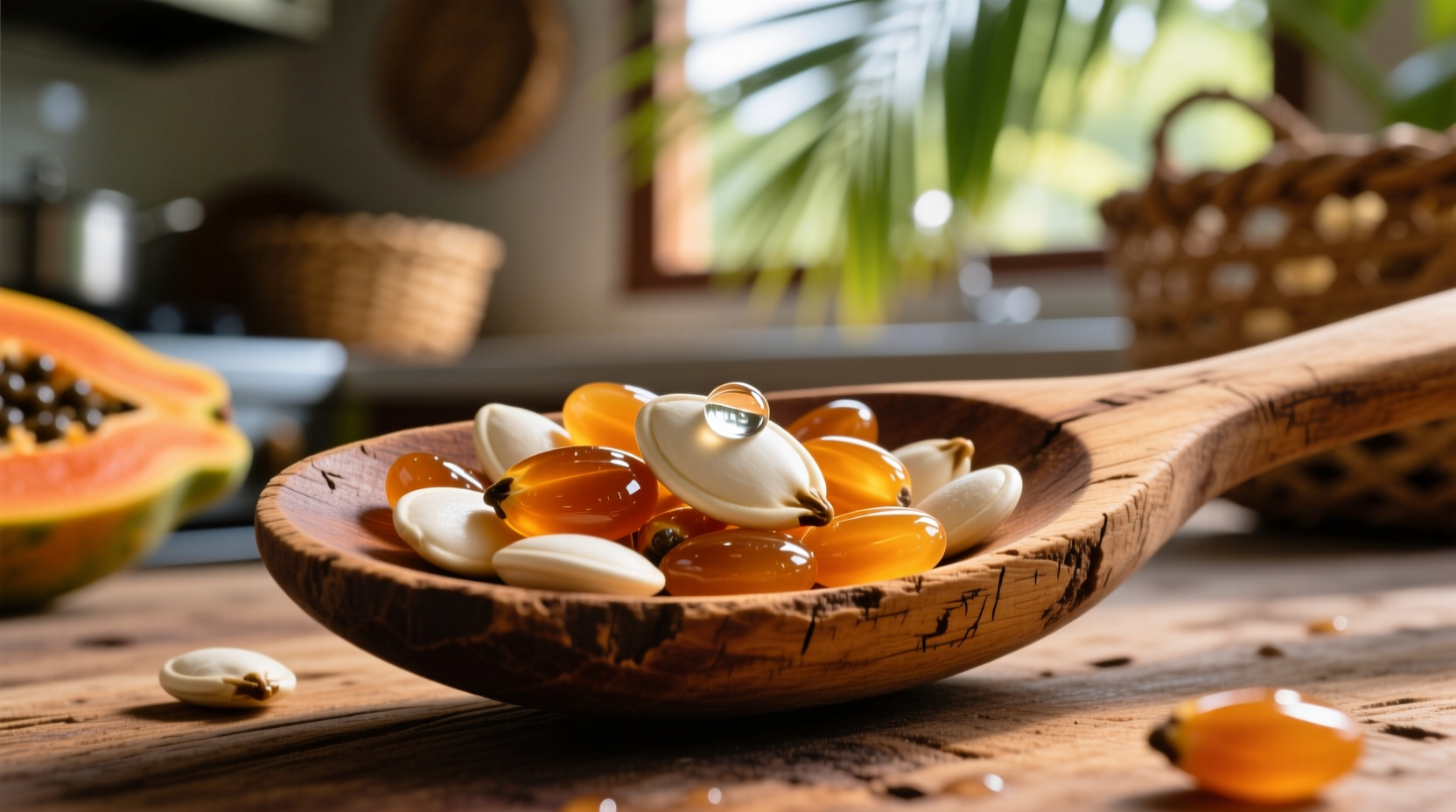
Creative Ways to Use Papaya Seeds
Don't let their peppery flavor deter you. Try these practical applications:
- Grind and use as black pepper substitute in salad dressings
- Add to smoothies with citrus fruits to balance bitterness
- Infuse in vinegar for unique salad dressings
- Include in homemade pesto for added nutritional boost
Who Should Avoid Papaya Seeds
While is it safe to eat papaya seeds for everyone has a generally positive answer, certain populations require caution:
- Pregnant women - Traditional medicine systems warn against consumption due to potential uterine stimulation (though human studies are limited)
- Individuals with kidney disease - High potassium content requires medical consultation
- People taking blood thinners - Potential interaction with anticoagulant medications
- Those with known latex allergy - Cross-reactivity possible due to similar proteins
The Mayo Clinic specifically advises pregnant women to avoid concentrated papaya seed preparations, noting that while occasional dietary consumption poses minimal risk, therapeutic doses require medical supervision.
Debunking Common Myths About Papaya Seeds
Viral claims about papaya seeds often exaggerate both benefits and risks. Let's examine the evidence:
Myth: "Papaya seeds can cure cancer"
Reality: While laboratory studies show benzyl isothiocyanate has anti-cancer properties in cell cultures, no human trials support therapeutic use for cancer treatment. The American Cancer Society states there's insufficient evidence to recommend papaya seeds for cancer prevention or treatment.
Myth: "Eating papaya seeds causes infertility"
Reality: Animal studies show high doses may temporarily reduce sperm count, but these effects are reversible and not demonstrated in humans at normal dietary levels. The World Health Organization hasn't issued any warnings about fertility impacts from moderate consumption.
When evaluating claims about health benefits of papaya seeds, always look for human clinical trials rather than relying solely on test tube studies or anecdotal reports.
Your Practical Papaya Seed Safety Checklist
Before adding papaya seeds to your routine, consider these evidence-based guidelines:
- Start with small amounts (5-7 seeds) to assess tolerance
- Avoid if pregnant or breastfeeding without medical approval
- Consult your physician if taking blood thinners or managing kidney disease
- Choose organic papaya when possible to minimize pesticide exposure
- Store dried seeds in airtight container away from light and moisture
Remember that how many papaya seeds can you eat safely depends on individual health factors. Most research suggests 10-15 fresh seeds daily represents a safe upper limit for healthy adults, while dried seeds should be limited to 1 teaspoon.




 浙公网安备
33010002000092号
浙公网安备
33010002000092号 浙B2-20120091-4