
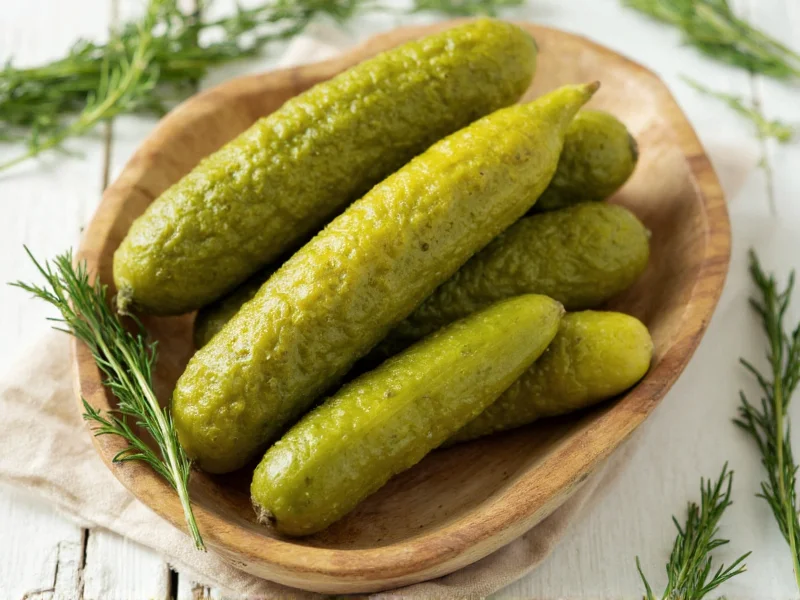
Yes, traditional dill pickles are a fermented food created through lacto-fermentation, where cucumbers soak in a saltwater brine that allows beneficial bacteria to convert sugars into lactic acid. However, most commercial dill pickles found in grocery stores today are actually quick-pickled using vinegar and are not fermented.
Understanding whether dill pickles qualify as fermented food requires examining both traditional preparation methods and modern commercial practices. This distinction matters for food enthusiasts, health-conscious consumers, and anyone exploring gut-healthy dietary options. Let's explore the science behind pickle production and clarify common misconceptions about this popular condiment.
The Science of Fermentation in Pickle Making
Fermentation occurs when microorganisms like bacteria or yeast break down food components, typically converting sugars into acids, gases, or alcohol. In traditional dill pickle production, this happens through lacto-fermentation—a process where Leuconostoc and Lactobacillus bacteria naturally present on cucumbers convert vegetable sugars into lactic acid.
This natural fermentation process creates the characteristic tangy flavor while preserving the cucumbers. The lactic acid produced lowers the pH, creating an environment inhospitable to harmful bacteria while promoting beneficial probiotic cultures. This biological transformation fundamentally distinguishes fermented pickles from their vinegar-pickled counterparts.
Traditional Fermented Dill Pickles vs. Vinegar-Based Pickles
Many consumers don't realize there are two completely different methods for making dill pickles:
| Characteristic | Traditional Fermented Dill Pickles | Vinegar-Based "Dill" Pickles |
|---|---|---|
| Preservation Method | Natural lactic acid from bacterial fermentation | Added acetic acid (vinegar) |
| Production Time | 2-6 weeks for full fermentation | Ready in hours or days |
| Probiotic Content | Contains live beneficial bacteria | No live probiotics (pasteurized) |
| Storage Requirements | Refrigeration required after opening | Shelf-stable until opened |
| Label Identification | "Naturally fermented," "raw," "unpasteurized" | "Pasteurized," lists vinegar as primary ingredient |
How Traditional Fermented Dill Pickles Are Made
The authentic fermentation process for dill pickles follows these steps:
- Preparation: Fresh cucumbers (typically pickling varieties) are washed and trimmed
- Brine Creation: A saltwater solution (typically 3-5% salt by weight) is prepared—no vinegar is used
- Addition of Flavorings: Dill weed, dill seeds, garlic, and spices are added to the jar
- Submersion: Cucumbers are completely submerged in brine to create anaerobic conditions
- Fermentation: At room temperature (65-75°F), natural bacteria convert sugars to lactic acid over 1-6 weeks
- Maturation: Flavors develop and acidity increases as fermentation progresses
- Refrigeration: Once desired tartness is achieved, pickles are refrigerated to slow fermentation
This traditional method creates the complex flavor profile and probiotic benefits associated with genuinely fermented dill pickles. The process requires careful attention to salt concentration, temperature control, and proper submersion to prevent spoilage.
Why Most Store-Bought Dill Pickles Aren't Actually Fermented
Commercial food production has largely replaced traditional fermentation with a quicker vinegar-based method. When examining are dill pickles a fermented food in the modern marketplace, the reality is that approximately 95% of dill pickles sold in supermarkets undergo this accelerated process:
- Cucumbers are submerged in a vinegar solution (typically 5-6% acetic acid) with salt and preservatives
- Dill flavor comes from dill oil or artificial flavoring rather than fresh dill
- The process takes hours or days instead of weeks
- Products are pasteurized to extend shelf life, killing any potential beneficial bacteria
- These pickles are shelf-stable until opened
This commercial approach meets consumer demand for consistent flavor, longer shelf life, and lower production costs—but sacrifices the probiotic benefits and complex flavor development of true fermentation. When researching how to identify truly fermented pickles, check labels for terms like "naturally fermented," "raw," "unpasteurized," or "contains live cultures." Avoid products listing vinegar as the primary ingredient.
Health Implications of Fermented vs. Vinegar Pickles
The distinction between fermented and vinegar-based dill pickles carries meaningful health implications. Genuine fermented dill pickles offer several potential benefits that their vinegar-pickled counterparts lack:
- Probiotic Content: Naturally fermented pickles contain live cultures that may support gut microbiome diversity
- Digestive Enzymes: The fermentation process creates enzymes that aid digestion
- Nutrient Availability: Fermentation can increase the bioavailability of certain nutrients
- Lower Glycemic Impact: The fermentation process modifies carbohydrates in ways that may affect blood sugar response
However, it's important to note that research on the specific health benefits of fermented pickles remains limited compared to other fermented foods like yogurt or kimchi. When exploring health benefits of fermented dill pickles, maintain realistic expectations while acknowledging their place within a diverse diet of fermented foods.
How to Find or Make Truly Fermented Dill Pickles
If you're seeking authentic fermented dill pickles, consider these options:
- Specialty Food Stores: Look for refrigerated sections containing products from artisanal producers
- Farmer's Markets: Many small-batch fermenters sell traditionally made pickles
- Reading Labels Carefully: Avoid products listing vinegar; seek "unpasteurized" or "contains live cultures"
- DIY Fermentation: Making your own allows complete control over the fermentation process
When attempting how to make fermented dill pickles at home, remember that proper salt concentration (typically 3-5% by weight), adequate submersion of cucumbers, and appropriate temperature (65-75°F) are critical for successful fermentation. The process requires patience—true flavor development takes weeks, not days.
Common Misconceptions About Dill Pickles and Fermentation
Several persistent myths surround dill pickles and fermentation:
- Misconception: All pickles are fermented
Reality: "Pickling" refers to any preservation in acid, which can be achieved through fermentation OR direct vinegar addition - Misconception: The "dill" flavor indicates fermentation
Reality: Dill flavoring can be added to both fermented and vinegar-based pickles - Misconception: Bubbly pickles mean they're spoiled
Reality: Gentle bubbling in refrigerated fermented pickles indicates active cultures (a good sign!) - Misconception: Fermented pickles must be sour
Reality: Properly fermented pickles develop complex flavors beyond simple sourness
Understanding these distinctions helps clarify the answer to are dill pickles fermented or pickled—they can be either, depending on production methods. The term "dill pickle" refers to flavor profile, not production method.
Conclusion: Navigating the World of Dill Pickles
The question "are dill pickles a fermented food" reveals an important distinction between traditional food preservation methods and modern commercial practices. While authentic dill pickles are indeed fermented through lacto-fermentation, most products labeled as "dill pickles" in supermarkets today use vinegar-based quick pickling methods.
For consumers interested in the potential gut health benefits of fermented foods, seeking out genuinely fermented dill pickles—either through specialty producers or homemade preparation—provides access to live probiotic cultures and the complex flavors developed through natural fermentation. When evaluating how to identify truly fermented pickles, always check labels for vinegar content and processing methods rather than relying solely on the "dill" designation.
Frequently Asked Questions
Are all dill pickles fermented?
No, not all dill pickles are fermented. Traditional dill pickles made through lacto-fermentation are fermented, but most commercial dill pickles use vinegar for quick pickling and are not fermented. The term 'dill' refers to flavoring, not the preservation method.
How can I tell if my dill pickles are fermented?
Check the ingredient list: fermented dill pickles will list cucumbers, water, salt, and dill (with no vinegar as a primary ingredient). Look for terms like 'naturally fermented,' 'raw,' 'unpasteurized,' or 'contains live cultures' on the label. Fermented pickles must be refrigerated and typically have a more complex, tangy flavor compared to vinegar pickles.
Do fermented dill pickles have probiotics?
Yes, properly fermented dill pickles that haven't been pasteurized contain live probiotic bacteria, primarily Lactobacillus species. These beneficial microorganisms develop during the fermentation process. However, most commercial 'dill pickles' are pasteurized and contain no live probiotics.
Why are most store-bought dill pickles not fermented?
Commercial producers favor vinegar-based pickling because it's faster (hours instead of weeks), creates consistent flavor, allows for shelf-stable products, and has lower production risks. The vinegar method meets consumer expectations for uniform taste and longer shelf life, though it sacrifices the probiotic benefits of true fermentation.
How long does it take to ferment dill pickles?
Traditional dill pickle fermentation takes 2-6 weeks at room temperature (65-75°F). The exact time depends on temperature, salt concentration, and desired tartness. Warmer temperatures speed fermentation but increase spoilage risk, while cooler temperatures produce slower, more complex flavor development.




 浙公网安备
33010002000092号
浙公网安备
33010002000092号 浙B2-20120091-4