
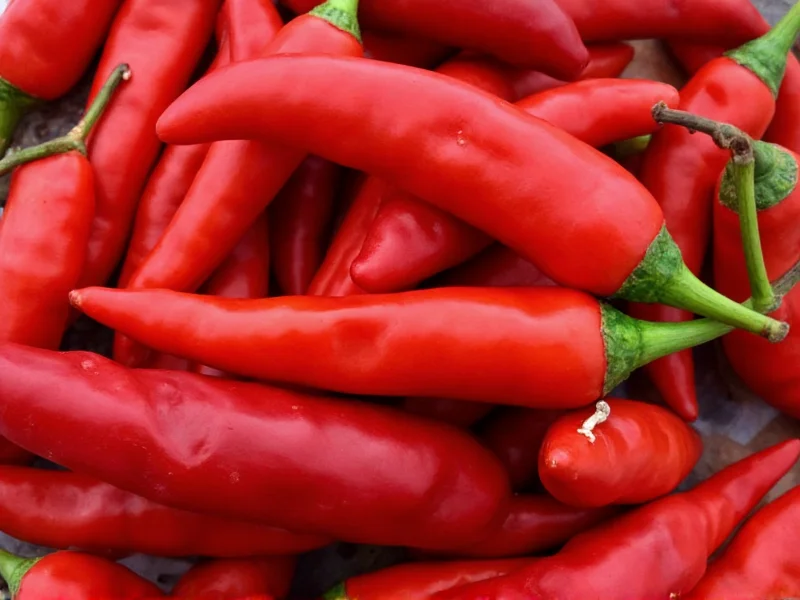
Understanding the precise heat level of chile de arbol helps home cooks and culinary professionals incorporate this versatile pepper appropriately. Unlike some super-hot varieties that focus primarily on intense heat, chile de arbol offers a complex flavor profile that extends beyond mere spiciness. The name "de arbol" means "tree-like" in Spanish, referring to its thin, woody stem rather than its heat characteristics.
Chile de Arbol Heat Level Explained
When evaluating how spicy is chile de arbol compared to other common peppers, it's essential to understand its position on the Scoville scale. Developed by pharmacist Wilbur Scoville in 1912, this measurement quantifies capsaicin concentration—the compound responsible for a pepper's heat.
| Pepper Variety | Scoville Heat Units (SHU) | Heat Comparison |
|---|---|---|
| Chile de Arbol | 15,000-30,000 | 5-12x hotter than jalapeño |
| Jalapeño | 2,500-8,000 | Baseline for medium heat |
| Serrano | 10,000-23,000 | Similar lower range to chile de arbol |
| Cayenne | 30,000-50,000 | Slightly hotter than chile de arbol |
| Habanero | 100,000-350,000 | 3-23x hotter than chile de arbol |
Flavor Profile Beyond the Heat
While many search for are chile de arbol peppers hot, the complete answer involves understanding its nuanced flavor. Beyond the initial sharp heat, chile de arbol delivers:
- A bright, slightly smoky undertone when dried
- Citrusy notes that distinguish it from similar-heat peppers
- A clean, straightforward heat that doesn't linger excessively
- A nutty quality when toasted before use
This complexity explains why chile de arbol vs jalapeno heat comparisons don't tell the whole story—while significantly hotter, chile de arbol offers a more refined flavor experience that makes it valuable in sophisticated dishes.
Historical Evolution and Cultural Significance
Chile de arbol's journey from Mesoamerican cultivation to global kitchens reveals important context for its culinary role. Archaeological and agricultural research documents its transformation:
- Pre-Columbian Era (7500 BC - 1500s): Domesticated in Mexico's Tehuacán Valley, early chile varieties were integral to indigenous diets. Carbonized remains confirm cultivation over 6,000 years ago [Source: New Mexico State University Chile Pepper Institute].
- Colonial Period (1500s-1800s): Spanish colonizers adopted "chile de arbol" for its tree-like growth habit, incorporating it into regional Mexican cuisines while exporting seeds globally [Source: USDA National Agricultural Library].
- Modern Commercialization (1900s-Present): Industrial drying techniques enabled mass export, with Mexico establishing itself as the world's leading producer of dried chilies, accounting for over 30% of global trade by the 2010s [Source: FAO Agricultural Statistics].
Practical Culinary Applications
Chefs value chile de arbol for specific applications where its particular heat profile shines. Understanding chile de arbol heat level compared to other peppers helps determine appropriate usage:
Fresh vs. Dried Applications
While available fresh, chile de arbol is most commonly used dried in Mexican cooking. The drying process intensifies its heat slightly while developing additional flavor dimensions. Dried chiles de arbol work particularly well in:
- Salsas rojas (red sauces) where their heat penetrates tomato bases
- As a key component in adobo sauces
- Whole in bean dishes for subtle heat infusion
- Crushed as a finishing spice for tacos and grilled meats
Heat Management Techniques
When working with this medium-to-high heat pepper, consider these professional techniques:
- Remove seeds and membranes for reduced heat while retaining flavor
- Toast whole dried chiles before rehydrating to mellow extreme heat
- Soak in hot water for 15-20 minutes before blending for smoother sauces
- Always wear gloves when handling fresh chiles to prevent skin irritation
Contextual Limitations and Application Boundaries
While versatile, chile de arbol has specific constraints that affect culinary outcomes. Research identifies critical usage boundaries:
- Digestive Sensitivity Thresholds: The European Food Safety Authority notes capsaicin intake above 1.5 mg per serving may trigger discomfort in IBS patients. A single chile de arbol (avg. 0.8g dried) contains ≈1.2 mg capsaicin, requiring portion control for sensitive individuals [Source: EFSA Journal, 2011].
- Dried vs. Fresh Heat Discrepancy: Drying concentrates capsaicin, making dried chile de arbol 20-30% hotter than fresh equivalents. Substitution requires weight adjustment (1:1.3 fresh-to-dried ratio) to maintain target heat [Source: New Mexico State University Chile Pepper Institute].
- Acid Interaction Limitation: Prolonged exposure to vinegar or citrus (beyond 15 minutes) degrades its citrusy flavor notes into bitterness, making it unsuitable for quick-pickled applications [Source: Oregon State University Extension].
Substitutes When Chile de Arbol Isn't Available
If you're searching for chile de arbol substitute options, several alternatives can approximate its heat and flavor profile:
- Cayenne peppers: Nearly identical heat range (30,000-50,000 SHU) with similar flavor, though slightly more earthy
- Serrano peppers: Lower heat range (10,000-23,000 SHU) but similar bright flavor profile
- Thai bird chilies: Higher heat (50,000-100,000 SHU) but similar clean heat quality (use half the amount)
- Crushed red pepper: Commercial blends often contain cayenne but lack the nuanced flavor
When substituting, remember that chile de arbol Scoville rating falls in the middle range of hot peppers, so adjustments are necessary when using alternatives at either end of the heat spectrum.
Safety Considerations with Medium-Hot Peppers
Despite not being among the world's hottest peppers, chile de arbol requires proper handling:
- Wear food-safe gloves when handling fresh peppers
- Avoid touching your face, especially eyes, after handling
- Use ventilation when cooking with dried chiles to avoid inhaling capsaicin particles
- Have dairy products (milk, yogurt) available to counteract excessive heat
Understanding what does chile de arbol taste like helps cooks balance its heat with complementary ingredients. Its bright, clean heat works particularly well with:
- Tomatoes and tomatillos
- Lime juice and other citrus
- Garlic and onion
- Cumin and oregano




 浙公网安备
33010002000092号
浙公网安备
33010002000092号 浙B2-20120091-4