
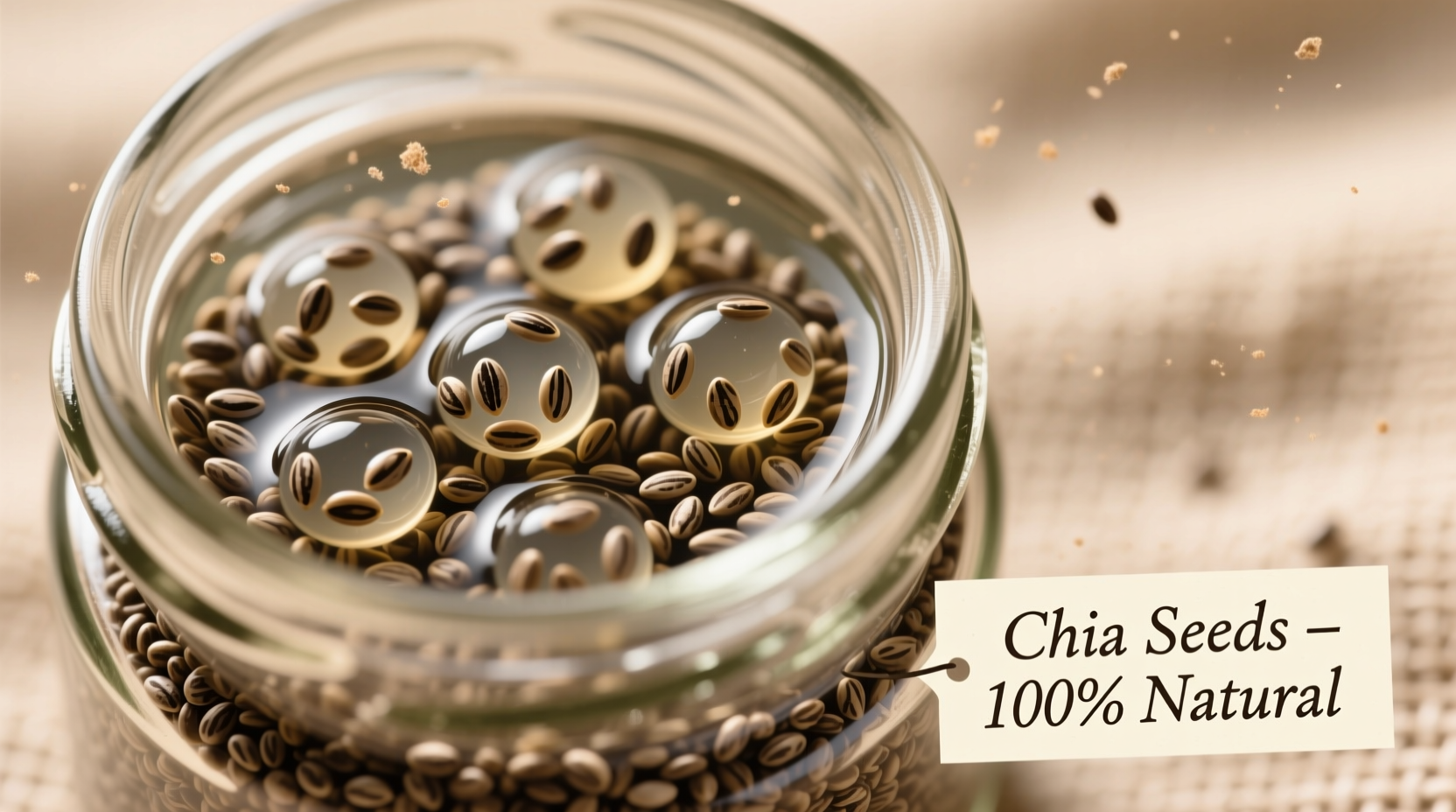
Based on current scientific evidence, chia seeds alone won't cause significant weight loss, but they can be a valuable component of a balanced weight management strategy. Multiple clinical studies show modest benefits when chia seeds are incorporated into calorie-controlled diets, primarily through increased satiety and improved digestion, but they're not a magic solution for rapid weight loss.
Chia seeds have gained popularity as a potential weight loss aid, but separating fact from marketing hype requires examining the actual scientific evidence. As someone who's documented indigenous seed traditions across Latin America for over a decade, I've seen how ancient superfoods like chia get rebranded in modern wellness culture. Let's explore what research actually says about chia seeds and weight management, without the exaggerated claims.
What Science Actually Says About Chia Seeds and Weight Loss
Multiple clinical trials have investigated chia seeds' effects on body weight. A 2017 systematic review published in Nutrition Reviews analyzed 10 randomized controlled trials involving chia seeds. The researchers found that while chia seeds demonstrated some positive effects on satiety and metabolic markers, the direct impact on significant weight loss was minimal when not combined with other dietary changes.
The most promising results came from a 2012 study in Nutrition Research where participants consuming 25 grams of chia seeds daily experienced modest weight reduction over six months—but only when combined with a reduced-calorie diet. Those eating chia seeds without dietary changes showed no significant weight loss.
| Study | Duration | Daily Chia Amount | Weight Loss Results |
|---|---|---|---|
| Nutrition Research (2012) | 6 months | 25g | Modest loss when combined with calorie control |
| Journal of Obesity (2010) | 12 weeks | 50g | No significant weight change |
| Clinical Nutrition (2015) | 8 weeks | 30g | Improved satiety but minimal weight impact |
How Chia Seeds Might Support Weight Management
While not a weight loss miracle, chia seeds offer several mechanisms that can support healthy weight management when incorporated properly:
1. High Fiber Content Promotes Satiety
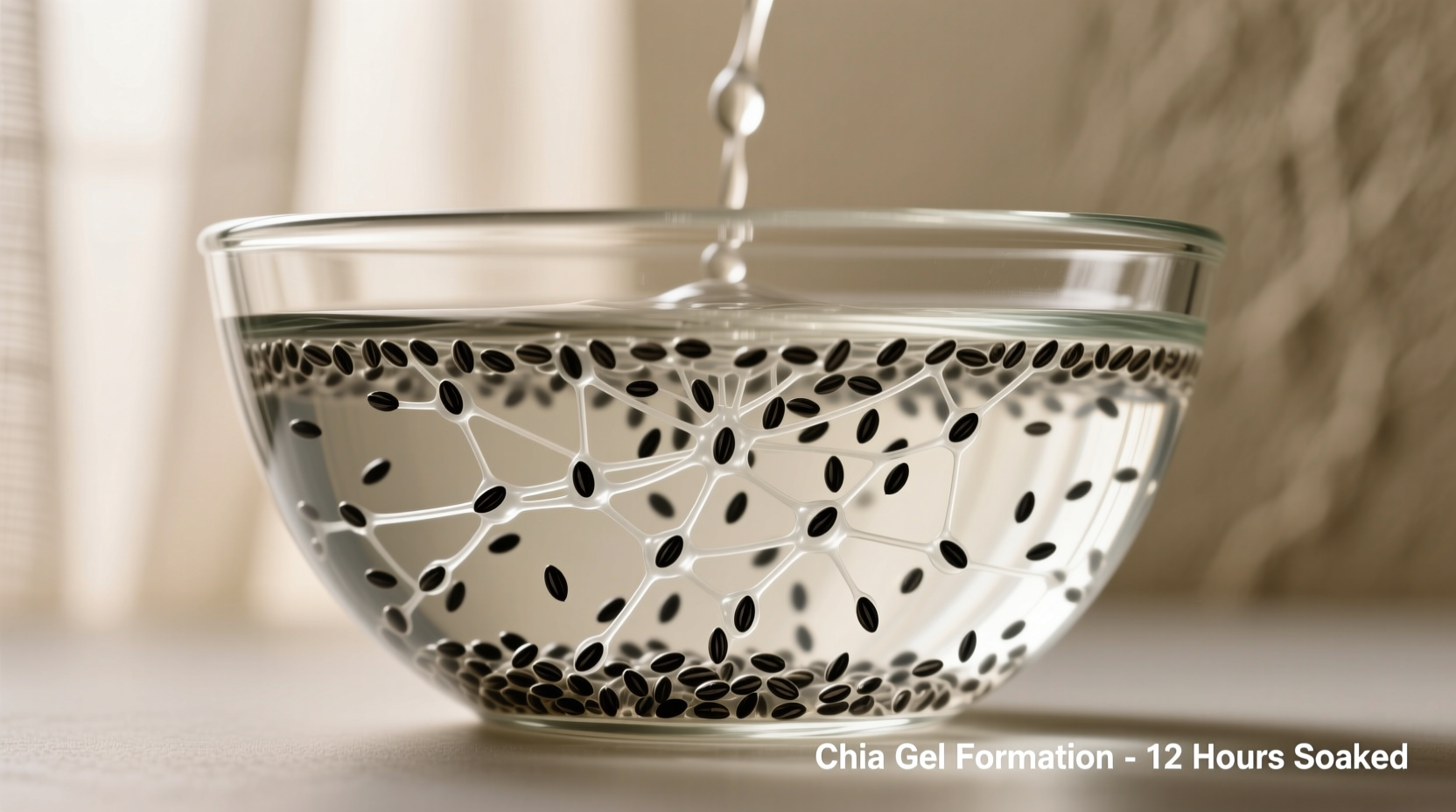
Just two tablespoons of chia seeds contain about 10 grams of fiber—nearly 40% of your daily needs. This soluble fiber absorbs up to 10 times its weight in water, forming a gel that slows digestion and helps you feel full longer. Research from the Harvard T.H. Chan School of Public Health confirms that high-fiber foods reduce overall calorie intake by increasing meal satisfaction.
2. Balanced Macronutrient Profile
Chia seeds provide a unique combination of nutrients beneficial for weight management:
- Complete plant-based protein (about 4g per 28g serving)
- Healthy omega-3 fatty acids (ALA)
- Essential minerals like calcium and magnesium
3. Blood Sugar Regulation
The fiber and healthy fats in chia seeds help moderate blood sugar spikes after meals. A study in the British Journal of Nutrition demonstrated that chia seeds reduced post-meal blood glucose levels by 39% compared to bread alone. Stable blood sugar prevents energy crashes that often lead to unhealthy snacking.
When Chia Seeds Won't Help You Lose Weight
Understanding the limitations is crucial for setting realistic expectations. Chia seeds won't support weight loss in these common scenarios:
- Added without dietary adjustments - Simply adding chia seeds to your current diet without reducing other calories provides extra calories (about 140 per ounce) that could lead to weight gain
- Used in sugary preparations - Chia pudding made with excessive sweeteners negates potential benefits
- Consumed in excessive amounts - More than 2 tablespoons daily may cause digestive discomfort without additional benefits
- Expected to replace exercise - No food substitute can replicate the metabolic benefits of physical activity
How to Effectively Incorporate Chia Seeds for Weight Management
Based on clinical evidence and traditional preparation methods I've documented across Mesoamerica, here's how to use chia seeds effectively:
Smart Consumption Strategies
- Replace higher-calorie ingredients - Use chia gel as egg substitute in baking (1 tbsp chia + 3 tbsp water = 1 egg)
- Pre-soak for maximum benefit - Soak seeds in water for 15+ minutes to activate their water-absorbing properties
- Portion control - Stick to 1-2 tablespoons daily to avoid excess calories
- Combine with protein - Add to Greek yogurt or smoothies with protein for sustained fullness
Sample Daily Incorporation
| Meal | Chia Application | Calorie Impact |
|---|---|---|
| Breakfast | 1 tbsp in oatmeal | +57 calories (replaces 100-calorie topping) |
| Lunch | 1 tbsp in salad dressing | +57 calories (reduces need for oil) |
| Snack | Chia pudding (2 tbsp seeds) | 140 calories (replaces 300-calorie snack) |
Chia Seeds vs. Other Weight Management Foods
How do chia seeds compare to other popular options? Research from the USDA FoodData Central shows key differences:
| Food | Fiber (per oz) | Protein (per oz) | Calories (per oz) | Best Weight Management Use |
|---|---|---|---|---|
| Chia seeds | 9.8g | 4.4g | 138 | Hydration-based satiety, blood sugar control |
| Flax seeds | 7.6g | 5.1g | 150 | Omega-3 boost, must be ground for absorption |
| Psyllium husk | 19.7g | 2.5g | 74 | Pure fiber supplement, minimal nutrients |
| Almonds | 3.5g | 6g | 164 | Protein/fat satiety, higher calorie density |
Chia seeds offer a unique balance—higher fiber than most nuts but lower calorie density than pure fiber supplements. Their water-absorbing capacity gives them an advantage for creating volume with fewer calories.
Realistic Timeline for Seeing Results
Based on documented research and traditional usage patterns, here's what to realistically expect when using chia seeds for weight management:
- First 3 days: Improved digestion and hydration as your body adjusts to increased fiber
- 1-2 weeks: Noticeable increase in meal satisfaction and reduced between-meal cravings
- 4-8 weeks: Potential modest weight reduction (1-3 pounds) when combined with calorie control
- 3+ months: Sustainable incorporation into healthy eating patterns with maintenance benefits
Important: Significant weight loss (more than 1-2 pounds weekly) requires comprehensive dietary changes and physical activity—not just adding chia seeds.
Practical Tips from Traditional Preparation Methods
During my research documenting pre-Columbian seed traditions, I observed preparation methods that maximize chia's benefits:
- Pre-soaking is essential - Traditional Mesoamerican preparations always soaked chia in water before consumption to activate digestive enzymes
- Combine with citrus - Ancient preparations often paired chia with lime or lemon, which research shows enhances mineral absorption
- Moderation matters - Traditional diets used chia as a supplement (1-2 tbsp daily), not a primary food source
- Hydration is key - Traditional cultures consumed chia with ample water to prevent digestive discomfort
When to Consult a Professional
While chia seeds are generally safe, consult a healthcare provider before adding them to your diet if you:
- Take blood thinners (chia's omega-3s may interact)
- Have digestive disorders like IBS
- Are on diabetes medication (chia affects blood sugar)
- Have a history of kidney stones (chia is high in oxalates)
The Mayo Clinic recommends starting with 1 teaspoon daily and gradually increasing to assess tolerance.
Final Verdict: Chia Seeds in Weight Management Strategy
Chia seeds aren't a weight loss miracle, but they can be a valuable tool when used correctly as part of a comprehensive approach. The scientific consensus shows they work best when:
- Replaced higher-calorie ingredients rather than added
- Combined with overall calorie control and physical activity
- Consumed in proper portions (1-2 tablespoons daily)
- Pre-soaked to maximize digestive benefits
For sustainable weight management, focus on overall dietary patterns rather than any single "superfood." Chia seeds can support your efforts by enhancing satiety and providing valuable nutrients, but they're just one piece of the puzzle.




 浙公网安备
33010002000092号
浙公网安备
33010002000092号 浙B2-20120091-4