
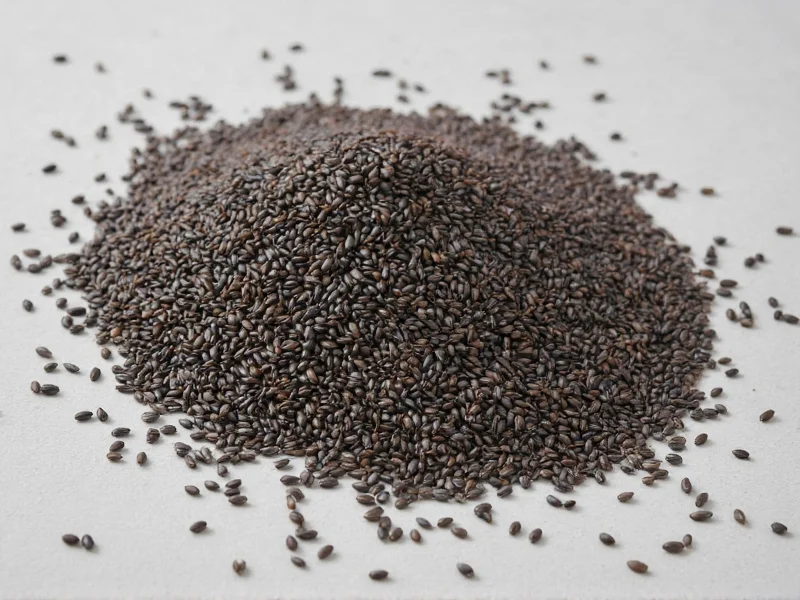
When comparing black sesame seeds versus white sesame seeds, many home cooks and health-conscious consumers wonder about their differences. Understanding these distinctions helps you make informed choices for both nutrition and cooking purposes. The hulling process fundamentally changes their characteristics, affecting everything from calcium content to flavor intensity.
Visual and Processing Differences
The most obvious difference between black and white sesame seeds lies in their appearance and processing. Black sesame seeds maintain their natural dark brown to black outer hull, while white sesame seeds undergo a dehulling process that removes this outer layer, revealing the pale cream-colored seed inside. This simple processing step creates significant variations in their nutritional profiles and culinary applications.
White sesame seeds, sometimes called hulled sesame seeds, have a smoother texture and milder flavor profile. Black sesame seeds, often referred to as unhulled sesame seeds, retain more of their natural compounds due to the intact hull. This difference in processing explains why black sesame seeds generally contain higher levels of certain nutrients.
Historical Evolution of Sesame Seed Varieties
Sesame cultivation has evolved significantly over millennia, shaping the distinct varieties available today. This timeline reveals how agricultural practices influenced modern sesame seed types:
- 3500-3000 BCE: Archaeological evidence confirms black-seeded sesame cultivation in ancient Mesopotamia and Egypt for oil extraction. These early varieties retained their natural dark hulls. Source: University of California Agriculture and Natural Resources Sesame Production in California
- 2000 BCE: Spread to India and China where black sesame became integral to traditional medicine systems like Ayurveda and TCM, valued for its perceived health properties. Source: Food and Agriculture Organization (FAO) Sesame: Post-harvest Operations
- 1800s: Industrial dehulling techniques emerged, enabling efficient production of white sesame seeds preferred in Western baking for their neutral appearance. Source: FAO Sesame Processing
- 1950s-Present: Global trade standardization favored white sesame, while renewed nutritional research highlighted black sesame's antioxidant advantages, driving its resurgence in health-focused markets. Source: National Center for Biotechnology Information (NCBI) Sesame Lignans and Human Health
This historical progression demonstrates how processing innovations transformed sesame from a uniformly dark-seeded crop into the specialized varieties we utilize today.
Nutritional Comparison of Black vs White Sesame Seeds
When examining the nutritional value of black sesame seeds compared to white, several key differences emerge. The hull contains significant amounts of calcium and fiber, which explains why unhulled black seeds typically offer more of these nutrients.
| Nutrient (per 1 oz/28g) | Black Sesame Seeds (unhulled) | White Sesame Seeds (hulled) |
|---|---|---|
| Calories | 160 | 160 |
| Calcium | 14% DV | 9% DV |
| Fiber | 3.3g | 1.9g |
| Iron | 14% DV | 13% DV |
| Magnesium | 25% DV | 24% DV |
| Healthy Fats | 14g | 14g |
This nutritional comparison of sesame seeds reveals that black varieties generally provide more calcium and fiber due to the retained hull. However, both types offer excellent sources of healthy fats, magnesium, and other essential minerals. The difference in iron content between black sesame seeds and white is minimal, making both valuable additions to a balanced diet.
Flavor Profile Differences
Understanding the flavor differences between black and white sesame seeds helps explain their distinct culinary applications. Black sesame seeds deliver a more intense, earthy, and slightly bitter flavor with nutty undertones. This robust profile makes them particularly valuable in certain Asian cuisines where their distinctive taste is desired.
White sesame seeds offer a milder, sweeter, and more delicate nutty flavor that works well in applications where a subtler sesame taste is preferred. Their neutral profile makes them versatile for both sweet and savory dishes without overwhelming other ingredients. This difference in flavor intensity explains why many bakers prefer white sesame seeds for certain applications while Asian chefs often select black sesame seeds for traditional recipes.
Culinary Applications: Context and Substitution
Selecting the appropriate sesame variety requires understanding specific culinary constraints and objectives. These context-bound recommendations address practical implementation challenges:
Contextual Considerations: When to Choose Which
- Traditional Asian Desserts: Black sesame is essential for authentic flavor and color in dishes like Chinese zhi ma hu (sesame soup) or Japanese goma dōfu. White sesame cannot replicate the distinctive earthy taste and visual appeal. Limitation: Not suitable for light-colored Western desserts where visual contrast is undesirable.
- Baking Applications: White sesame seeds are preferred for breads, buns, and crackers where a neutral appearance and mild flavor are desired. Black seeds work well for artisanal dark breads but may distract in pastries. Limitation: Black seeds can impart bitterness if over-toasted.
- Health-Focused Diets: For calcium and fiber supplementation, black sesame seeds are superior due to the retained hull. However, individuals with digestive sensitivities may prefer hulled white seeds for easier digestion. Source: Mayo Clinic High-fiber foods: What you need to know
- Sauce and Dressing Base: White sesame creates the classic tahini with a smooth, neutral profile ideal for hummus. Black sesame tahini offers a bolder flavor but may overpower delicate dishes. Limitation: Black tahini stains light-colored foods.
Substitution Guidance
When considering whether you can substitute black sesame seeds for white in recipes, the answer depends on the specific dish and desired outcome. For applications where appearance matters—like topping breads or buns—substitution may affect the visual presentation. Black seeds create dramatic contrast on light-colored foods, while white seeds provide a more subtle appearance.
In terms of flavor substitution, black sesame seeds will impart a stronger, earthy taste compared to white sesame seeds. In most savory applications, you can substitute one for the other at a 1:1 ratio, though you may want to use slightly less black sesame if you're sensitive to its more pronounced flavor. For sweet applications like desserts or baked goods, white sesame seeds generally work better due to their milder profile.
Black sesame paste, commonly used in Asian desserts, cannot be perfectly replicated with white sesame seeds due to the flavor and color differences. However, for applications like tahini, both varieties work well, with black sesame tahini offering a more robust flavor profile.
Storage Considerations
Both black and white sesame seeds benefit from proper storage to maintain freshness and prevent rancidity. Store them in airtight containers in a cool, dark place. For extended shelf life, refrigeration or freezing is recommended, especially for hulled white sesame seeds which may become rancid more quickly due to their higher oil exposure.
When comparing shelf life between the two varieties, black sesame seeds often maintain freshness slightly longer because the intact hull provides additional protection for the oils within the seed. However, proper storage remains the most critical factor for both types.
Health Benefits Comparison
Both black and white sesame seeds offer impressive health benefits, though their nutrient profiles differ slightly. Black sesame seeds contain higher levels of antioxidants due to the compounds in their dark hulls. These antioxidants, including sesamol and sesamin, contribute to their potential anti-inflammatory properties.
White sesame seeds remain nutritionally valuable despite the hulling process, providing substantial amounts of healthy fats, protein, and essential minerals. The difference in health benefits between black sesame seeds and white primarily relates to the additional fiber and calcium found in the unhulled black variety.
Research suggests both varieties may support heart health, bone strength, and blood sugar regulation. Neither type is definitively "healthier" than the other—rather, they offer complementary nutritional profiles that can both contribute to a balanced diet.
Price Differences and Availability
Consumers often wonder why black sesame seeds are more expensive than white varieties. The price difference stems from several factors including lower production volumes, specialized growing conditions in certain regions, and sometimes more labor-intensive harvesting methods. Black sesame seeds remain less common in Western markets, contributing to their higher price point.
While white sesame seeds dominate global production and are widely available in most grocery stores, black sesame seeds have become increasingly accessible due to growing interest in international cuisines and their perceived health benefits. Specialty food stores, Asian markets, and online retailers typically offer both varieties.
Frequently Asked Questions
Can I substitute black sesame seeds for white in recipes?
Yes, you can generally substitute black sesame seeds for white at a 1:1 ratio in most savory applications. However, black seeds have a stronger, earthier flavor and will affect the appearance of light-colored dishes. For sweet applications or when appearance matters, white sesame seeds typically work better.
Which type of sesame seed is more nutritious, black or white?
Black sesame seeds generally contain more calcium and fiber because they retain their hulls. Both varieties offer excellent nutrition with similar levels of healthy fats, protein, and minerals like magnesium and iron. Neither is definitively 'more nutritious'—they provide complementary nutritional profiles.
Why are black sesame seeds more expensive than white sesame seeds?
Black sesame seeds typically cost more due to lower production volumes, specialized growing regions, and sometimes more labor-intensive harvesting. They remain less common in Western markets compared to white sesame seeds, which dominate global production and are widely available.
Do black and white sesame seeds have different shelf lives?
Black sesame seeds often maintain freshness slightly longer because the intact hull provides additional protection for the oils. However, proper storage in airtight containers in cool, dark places (or refrigerated/frozen) is the most critical factor for both types to prevent rancidity.
How does historical cultivation impact modern sesame seed varieties?
Historical cultivation practices significantly shaped modern varieties. Ancient civilizations used unhulled black sesame for oil and medicine. Industrial dehulling in the 1800s created white sesame for Western markets, while traditional Asian cuisines preserved black sesame usage. Modern research now validates black sesame's nutritional advantages, driving its global resurgence.




 浙公网安备
33010002000092号
浙公网安备
33010002000092号 浙B2-20120091-4