
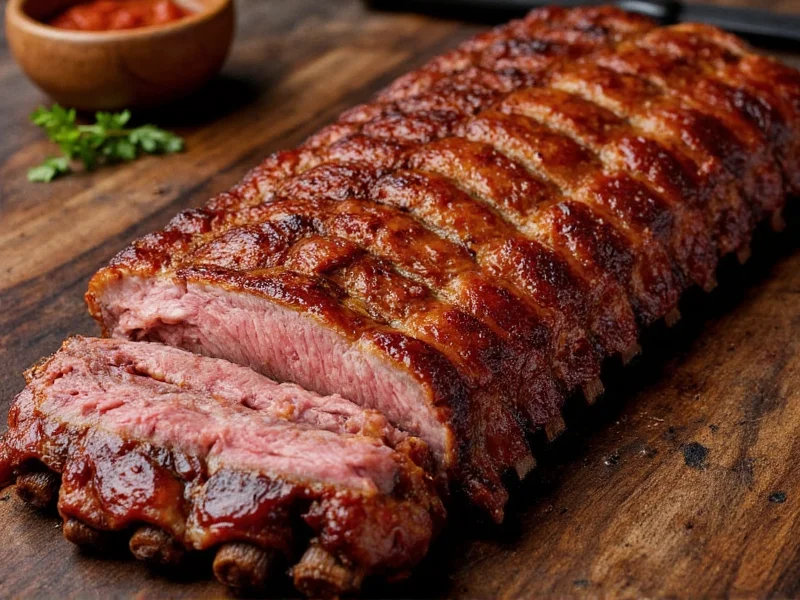
Many home cooks and barbecue enthusiasts wonder are baby back ribs beef or pork, creating widespread confusion in grocery stores and restaurants. This misunderstanding stems from the variety of rib cuts available and inconsistent labeling practices across different regions.
Understanding Baby Back Ribs: The Pork Connection
Baby back ribs, scientifically known as loin ribs or back ribs, are exclusively a pork product. They're cut from the top portion of the rib cage where the rib bones connect to the spine, just below the loin muscle. This positioning gives them their characteristic curved shape and leaner profile compared to other rib varieties.
When butchers remove the loin chop (the premium pork tenderloin cut), what remains attached to the backbone are the baby back ribs. Their name comes from their relatively small size rather than the age of the pig—they're "baby" compared to spare ribs, not because they come from young pigs.
| Characteristic | Baby Back Ribs (Pork) | Beef Ribs |
|---|---|---|
| Source Animal | Pig | Cow |
| Location on Animal | Upper ribcage near spine | Lower chest area (short ribs) or near spine (back ribs) |
| Average Weight | 1.5-2.5 lbs per rack | 3-6 lbs per rack |
| Bone Structure | Curved, shorter bones | Straighter, larger bones |
| Meat-to-Bone Ratio | Higher meat content | More bone, less meat |
| Cooking Time | 2-4 hours | 4-6 hours |
Why the Confusion Between Baby Back Ribs and Beef?
The confusion about are baby back ribs beef or pork arises from several factors:
- Naming inconsistencies: Some restaurants and grocery stores use imprecise terminology, occasionally mislabeling cuts
- Limited meat knowledge: Many consumers aren't familiar with the different rib cuts available
- Regional variations: Butchering practices and naming conventions differ across geographical areas
- Similar cooking methods: Both pork and beef ribs are often prepared using similar barbecue techniques
True beef ribs come from cattle and are significantly larger, with more substantial bones and a different fat marbling pattern. Beef back ribs (sometimes called "dinosaur ribs") come from the upper rib section near the spine, while beef short ribs come from the lower chest area.
Identifying Authentic Baby Back Ribs
When shopping for baby back ribs pork characteristics, look for these identifying features:
- Size: Typically 6-8 inches long with 13 bones per rack
- Shape: Distinct curved appearance from their spinal attachment
- Meat coverage: Well-marbled with fat running between the bones
- Color: Light pink meat with white fat marbling (not the deep red of beef)
- Packaging labels: Should clearly state "pork" or "swine" in ingredient lists
If you're wondering what animal are baby back ribs from, check the packaging for USDA inspection stamps that identify the source animal. Pork products will have stamps indicating swine processing.
Cooking Considerations for Baby Back Ribs
Understanding that baby back ribs are pork affects how you prepare them. These ribs:
- Cook faster than beef ribs due to their smaller size and lower fat content
- Require lower cooking temperatures than beef ribs (typically 225-250°F)
- Benefit from shorter smoking or roasting times (about 3-4 hours)
- Pair well with fruit-based sauces that complement pork's natural sweetness
- Can become dry if overcooked, unlike more forgiving beef ribs
When following recipes for best way to cook baby back ribs, ensure you're using methods appropriate for pork rather than beef. The membrane on the bone side (called the silverskin) should be removed before cooking to allow better flavor penetration and prevent curling during cooking.
Common Misconceptions About Baby Back Ribs
Several myths persist about these popular barbecue items:
- Myth: Baby back ribs come from young pigs
Fact: They're named for their size, not the pig's age—all come from market-weight hogs - Myth: They're the most flavorful rib cut
Fact: While tender, they're leaner than spare ribs which have more fat and connective tissue for flavor - Myth: Baby back ribs and loin back ribs are different cuts
Fact: They're the same cut with different naming conventions - Myth: All "back ribs" are baby back ribs
Fact: Beef also has back ribs, which are completely different
When researching baby back ribs vs spare ribs, remember that spare ribs come from the belly side of the rib cage and contain more fat and connective tissue, making them more flavorful but requiring longer cooking times.
Shopping Tips for Baby Back Ribs
When selecting baby back ribs, look for:
- Even pink color without grayish spots
- Good marbling with white fat streaks (avoid yellow fat which indicates older meat)
- Firm texture that springs back when pressed
- Minimal liquid in packaging (excessive liquid suggests poor handling)
- Racks with consistent bone size for even cooking
Understanding that are baby back ribs beef is a common misconception helps you make informed purchasing decisions. If a butcher or store claims to sell "beef baby back ribs," they're either misinformed or using misleading terminology—true baby back ribs are exclusively pork.




 浙公网安备
33010002000092号
浙公网安备
33010002000092号 浙B2-20120091-4