
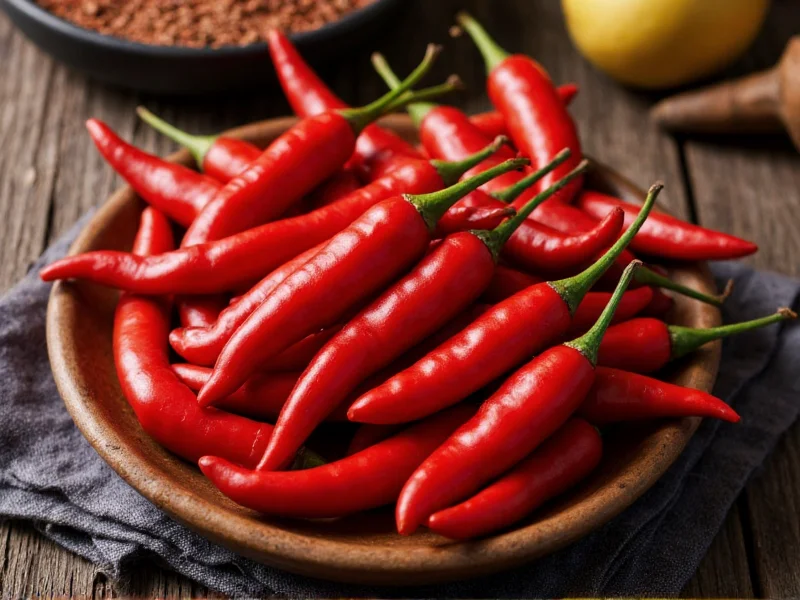
Ancho chilis, the dried form of poblano peppers, provide a distinctive flavor profile that extends far beyond simple heat. Understanding their spiciness level is essential for home cooks and culinary professionals alike who want to harness their complex flavors without overwhelming diners. Unlike fiery chilies that dominate a dish with heat, anchos deliver a subtle warmth that enhances rather than overpowers.
Understanding Ancho Chili Heat on the Scoville Scale
The Scoville scale measures chili pepper heat intensity by determining capsaicin concentration. Ancho chilis sit at the lower end of this spectrum, typically ranging from 1,000 to 2,000 Scoville Heat Units. To put this in perspective, they're significantly milder than many common peppers:
| Chili Pepper | Scoville Heat Units | Heat Comparison to Ancho |
|---|---|---|
| Ancho Chili | 1,000-2,000 SHU | Baseline |
| Guajillo Chili | 2,500-5,000 SHU | 2-3x hotter |
| Jalapeño | 2,500-8,000 SHU | 2-4x hotter |
| Cayenne Pepper | 30,000-50,000 SHU | 15-25x hotter |
| Habanero | 100,000-350,000 SHU | 50-175x hotter |
The Complete Flavor Profile of Ancho Chilis
While their mild heat makes anchos versatile, their true culinary value lies in their complex flavor profile. Beyond the gentle warmth, anchos offer:
- Rich fruitiness - notes of dried fruit, particularly raisin and prune
- Subtle sweetness - a natural sugar content that balances the mild heat
- Earthy undertones - reminiscent of coffee or cocoa
- Delicate smokiness - especially in higher quality dried anchos
- Floral hints - subtle berry-like notes in premium specimens
This multidimensional flavor profile explains why professional chefs prize anchos despite their modest heat level. They add depth and complexity to dishes without the overwhelming spiciness that can mask other ingredients.
Why Ancho Chilis Are Perfect for Everyday Cooking
The mild heat level of ancho chilis makes them exceptionally versatile in the kitchen. Unlike hotter chilies that require careful measurement, anchos can be used more liberally while still maintaining balance in a dish. Their gentle warmth works particularly well in:
- Family-friendly recipes where intense heat would be inappropriate
- Sauces and stews that benefit from layered flavors without overwhelming spice
- Marinades where the chili's fruitiness complements proteins
- Mojo and adobo preparations that form flavor foundations
- Chocolate-based mole sauces where the mild heat enhances rather than competes
When properly rehydrated and blended, ancho chilis create a smooth, rich base that carries other flavors beautifully. Their mild heat allows supporting ingredients like garlic, cumin, and oregano to shine through.
Using Ancho Chilis in Your Kitchen: Practical Tips
To maximize the flavor potential of ancho chilis while managing their mild heat:
- Proper rehydration - soak in hot water for 15-20 minutes until pliable, not boiling water which can make them bitter
- Seed removal - while anchos are mild, removing seeds and membranes reduces heat further for sensitive palates
- Toast before use - briefly toast dried anchos in a dry skillet to enhance their natural sweetness
- Balance with acidity - pair with lime juice or vinegar to brighten their earthy notes
- Combine with complementary spices - cumin, Mexican oregano, and garlic enhance their natural flavor profile
Ancho Chili Substitutions: When You Need More or Less Heat
Understanding ancho chili heat helps when substitutions are necessary:
- If you need milder: Use pasilla negro or mulato chilis, which share similar flavor profiles with even less heat
- If you need similar heat: Guajillo chilis offer comparable mild heat with slightly different flavor notes
- If you need more heat: Combine anchos with a small amount of chipotle for smokiness or cayenne for direct heat
- Fresh pepper alternative: Poblano peppers (the fresh form) provide similar mild heat and flavor
Remember that when substituting, you're not just replacing heat level but an entire flavor profile. Ancho's distinctive combination of mild heat, fruitiness, and earthiness makes them somewhat unique in the chili pepper family.
Debunking Common Ancho Chili Myths
Several misconceptions surround ancho chilis and their heat level:
- Myth: All dried chilies are extremely hot
Reality: Drying concentrates flavor but not necessarily heat; anchos remain mild despite being dried - Myth: Ancho chilis are the same as mulato chilis
Reality: While similar, mulatos are harvested later and have slightly different flavor and marginally less heat - Myth: The darker the ancho, the hotter it is
Reality: Color relates to ripeness and drying process, not heat level - Myth: Ancho heat varies wildly between peppers
Reality: Anchos have remarkably consistent heat compared to many chilies
Conclusion: Embracing Ancho Chili's Mild Heat
Ancho chilis' mild spiciness (1,000-2,000 SHU) represents their greatest strength in the kitchen. Rather than dominating a dish with heat, they provide a gentle warmth that enhances other flavors while contributing their distinctive fruitiness and earthiness. Understanding that are ancho chilis spicy but only mildly so allows cooks to use them confidently in a wide range of applications, from family-friendly weeknight meals to sophisticated restaurant dishes. Their approachable heat level makes them an excellent entry point for those exploring Mexican cuisine, while their complex flavor profile continues to delight experienced cooks. When properly used, ancho chilis demonstrate that sometimes the most valuable contribution a chili pepper makes isn't measured in heat units, but in the depth and balance it brings to a dish.




 浙公网安备
33010002000092号
浙公网安备
33010002000092号 浙B2-20120091-4