
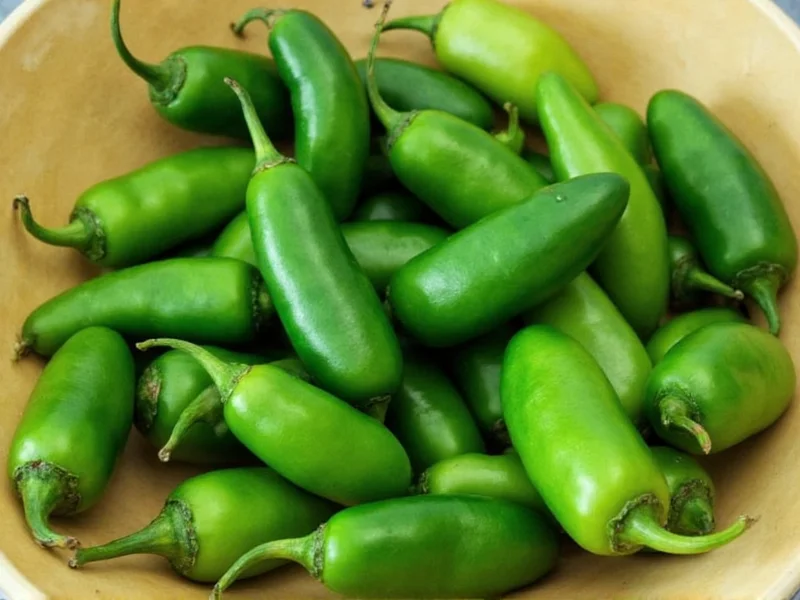
No, Anaheim peppers are generally milder than jalapeños. On the Scoville scale, Anaheim peppers typically range from 500 to 2,500 heat units, while jalapeños measure between 2,500 and 8,000 Scoville units. This means most jalapeños are at least as hot as the hottest Anaheim peppers, and often significantly hotter.
Understanding Pepper Heat Levels
When comparing chili peppers, the Scoville scale provides the most reliable measurement of heat intensity. Developed by Wilbur Scoville in 1912, this scale measures the concentration of capsaicin—the compound responsible for that burning sensation we feel when eating spicy foods.
It's important to note that pepper heat can vary significantly based on growing conditions, soil composition, climate, and even the specific plant. Two peppers from the same batch can have noticeably different heat levels. This natural variation explains why you might occasionally encounter an unusually mild jalapeño or a surprisingly hot Anaheim.
The methodology for measuring pepper heat has evolved significantly since Scoville's original test. Initially relying on diluted solutions and human tasters, the modern standard uses High Performance Liquid Chromatography (HPLC) to precisely measure capsaicinoid concentration. This scientific approach, adopted by the American Spice Trade Association in the 1980s, provides objective Scoville Heat Units (SHU) that are more consistent and reliable than the subjective organoleptic test. According to the American Chemical Society, this advancement has helped standardize heat ratings across the industry while revealing that many peppers' actual heat levels differ from historical Scoville estimates (ACS, 2019).
Anaheim Pepper Profile
Anaheim peppers (Capsicum annuum) originated in New Mexico but gained popularity in Anaheim, California, hence their name. Also known as California chiles or New Mexico chiles, these long, slender peppers typically measure 6-10 inches in length.
With their mild heat profile (500-2,500 Scoville units), Anaheim peppers offer a gentle warmth that makes them ideal for those who enjoy flavor without intense heat. Their flavor profile features earthy, slightly sweet notes with a subtle grassiness. When ripe and red, they develop more sweetness and are often called 'chile Colorado.'
Chefs commonly use Anaheim peppers in Southwestern and Mexican cuisine for stuffed peppers, roasted pepper dishes, and as a base for mild green sauces. Their thin walls make them excellent for roasting and peeling.
Jalapeño Pepper Profile
Jalapeños (Capsicum annuum) originate from Mexico and remain one of the most popular chili peppers worldwide. These short, stout peppers (2-3 inches long) range from bright green to deep red when fully ripe.
With a Scoville rating of 2,500-8,000 units, jalapeños deliver noticeably more heat than Anaheim peppers. The mildest jalapeños match the hottest Anaheims, but most jalapeños exceed Anaheim's maximum heat. Their flavor combines grassy, vegetal notes with a bright, fresh pepper taste.
Culinary applications for jalapeños include salsas, guacamole, poppers, pickled peppers, and as a spicy addition to countless dishes. The heat concentrates in the seeds and white ribs, so removing these reduces the spiciness significantly.
Direct Heat Comparison
The heat difference between these two peppers becomes clear when examining their Scoville ranges:
| Pepper Type | Scoville Heat Units | Relative Heat Level | Common Culinary Uses |
|---|---|---|---|
| Anaheim Pepper | 500-2,500 SHU | Mild | Stuffed peppers, roasted dishes, mild sauces |
| Jalapeño Pepper | 2,500-8,000 SHU | Medium | Salsas, guacamole, poppers, pickled peppers |
This comparison shows that jalapeños start where Anaheim peppers max out. While the mildest jalapeños might match the hottest Anaheims, most jalapeños deliver significantly more heat. In practical terms, substituting one for the other requires careful consideration of your heat tolerance and recipe requirements.
Practical Substitution Guidance
Understanding the heat difference between Anaheim peppers and jalapeños helps when substituting one for the other in recipes:
- Using Anaheim instead of jalapeño: When substituting Anaheim for jalapeño, expect significantly less heat. You may need 2-3 Anaheim peppers to match the heat of one jalapeño, depending on the specific peppers' heat levels.
- Using jalapeño instead of Anaheim: When replacing Anaheim with jalapeño, start with half the amount and taste as you go. Remove seeds and ribs to reduce heat while maintaining flavor.
- For sensitive palates: Anaheim peppers provide similar flavor with much less heat, making them ideal for children or those with low spice tolerance.
- For authentic flavor: While substitutions work, each pepper brings unique flavor compounds. For traditional recipes, using the specified pepper yields the most authentic results.
- Traditional dish considerations: Authentic New Mexican cuisine relies on Anaheim peppers (or New Mexico chiles) for dishes like chile verde and chile rellenos. Substituting jalapeños alters both heat and flavor profiles, as documented by New Mexico State University's agricultural extension (NMSU, 2021). Conversely, in Mexican salsas, jalapeños are traditional and Anaheim substitutions may lack sufficient heat.
When roasting either pepper, the process caramelizes natural sugars and creates complex flavor compounds while slightly reducing perceived heat. Roasted Anaheim peppers develop a sweet, almost smoky flavor, while roasted jalapeños gain a deeper, more complex heat profile.
Factors Affecting Pepper Heat
Several factors influence the actual heat you experience when cooking with these peppers:
- Maturity: Riper, redder peppers tend to be hotter than their green counterparts
- Stress conditions: Peppers grown in drier, hotter conditions often develop more capsaicin
- Part of the pepper: Seeds and white ribs contain the highest concentration of capsaicin
- Preparation method: Cooking can sometimes intensify heat, while roasting may mellow it slightly
- Individual tolerance: Your personal heat sensitivity affects perceived spiciness
When working with either pepper, always wash your hands thoroughly after handling and avoid touching your face. The capsaicin oil can linger on skin and cause irritation later.
Consumer Heat Preferences and Market Trends
Consumer preferences for pepper heat significantly influence culinary choices. A 2022 survey by the Chile Pepper Institute at New Mexico State University, which included 1,200 U.S. participants, found that 65% prefer mild to medium heat levels, 20% prefer medium to hot, and only 15% seek hot to very hot experiences. This preference distribution explains the widespread use of Anaheim peppers in family-friendly dishes and restaurant menus aiming for broad appeal. The survey also identified a generational trend, with consumers aged 18-34 showing 20% higher heat tolerance than those over 55 (Chile Pepper Institute, 2022). These insights demonstrate how regional culinary traditions and demographic shifts shape pepper selection in modern cooking.




 浙公网安备
33010002000092号
浙公网安备
33010002000092号 浙B2-20120091-4