
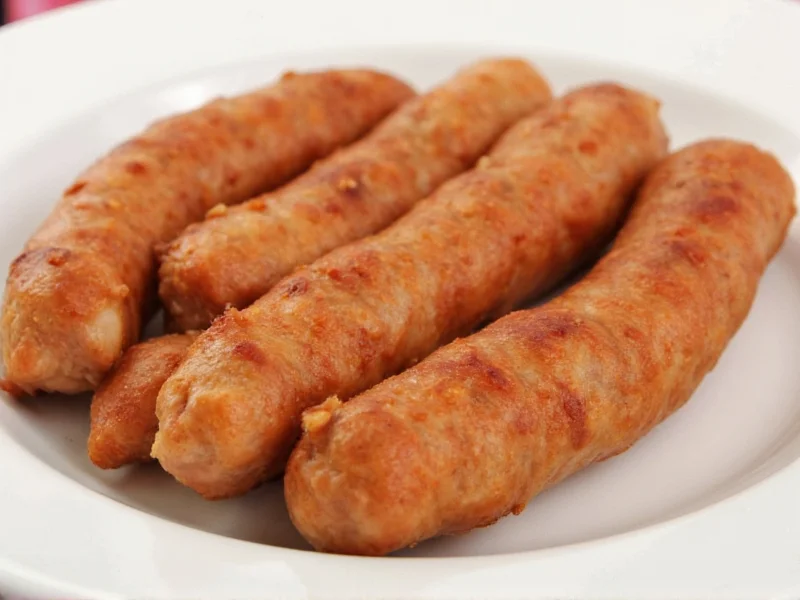
Understanding Applegate Chicken Sausage Varieties
Applegate Farms produces several distinct chicken sausage varieties that cater to different dietary preferences and flavor profiles. The brand's commitment to clean ingredients sets it apart in the pre-cooked sausage market. Each variety maintains the core principles of being gluten-free, antibiotic-free, and made without artificial preservatives.
Their most popular options include:
- Apple Maple Chicken Sausage - sweet and savory with organic maple syrup
- Spinach & Feta Chicken Sausage - Mediterranean-inspired with reduced sodium
- Uncured Chicken Apple Sausage - traditional flavor with subtle apple notes
- Hot Italian Chicken Sausage - spiced with red pepper flakes for heat
Nutritional Profile Comparison
When evaluating chicken sausage options, nutritional content matters for health-conscious consumers. Applegate generally provides better nutritional value than conventional brands while maintaining comparable taste and texture.
| Product | Calories per Link | Protein (g) | Total Fat (g) | Sodium (mg) | Notable Features |
|---|---|---|---|---|---|
| Applegate Apple Maple | 170 | 13 | 12 | 510 | Nitrate-free, organic maple syrup |
| Applegate Spinach & Feta | 190 | 15 | 13 | 480 | 30% less sodium than leading brands |
| Conventional Chicken Sausage | 210 | 14 | 15 | 720 | Often contains sodium nitrite |
How Applegate Compares to Other Brands
When researching natural chicken sausage alternatives, consumers often compare Applegate to brands like Johnsonville, Aidells, and local butcher options. Applegate distinguishes itself through its strict ingredient standards while maintaining competitive flavor profiles.
The brand's uncured chicken sausage preparation process uses celery juice powder instead of synthetic nitrates, which converts to natural nitrites during processing. This method meets USDA requirements for "no nitrates added" claims while ensuring food safety. Many competitors still use sodium nitrite as a preservative.
For those exploring organic chicken sausage for meal prep, Applegate's products typically maintain better texture after reheating compared to some natural alternatives that become rubbery or dry.
Practical Cooking Applications
Understanding how to cook Applegate chicken sausage properly maximizes flavor and texture. Unlike raw sausages, these are fully cooked products that only require heating. The gentle cooking method preserves the delicate chicken meat while allowing flavors to develop.
Professional chefs recommend these techniques:
- Skillet method: Slice diagonally and sauté in olive oil over medium heat for 5-7 minutes until golden
- Grilling: Cook over medium heat for 8-10 minutes, turning occasionally (use a grill basket for slices)
- Oven preparation: Bake at 375°F for 12-15 minutes for meal prep applications
For healthy chicken sausage recipes for weeknight dinners, try adding sliced sausage to whole grain pasta with roasted vegetables, or incorporate into breakfast scrambles with sweet potatoes and greens. The apple maple variety pairs particularly well with roasted Brussels sprouts and butternut squash.
Availability and Value Considerations
When determining where to buy Applegate chicken sausage near me, shoppers typically find these products in the organic or natural foods section of major grocery chains including Whole Foods, Kroger, and Target. The brand maintains wider distribution than many specialty organic meat producers.
Priced at approximately $5.99-$6.99 per 12-ounce package, Applegate sits at a premium compared to conventional brands but aligns with other natural meat products. For budget-friendly natural chicken sausage options, consider purchasing when stores run promotions or buying larger multi-packs which often reduce the per-ounce cost by 15-20%.
Consumer Considerations
Several factors influence whether Applegate chicken sausage meets individual dietary needs. The brand offers gluten-free options certified by the GFCO, making it suitable for many with gluten sensitivities. However, those following strict paleo diets should note that some varieties contain dairy (feta cheese in the spinach variety).
For consumers researching nitrate-free sausage options for pregnancy, Applegate's products represent a safer choice than conventional sausages containing sodium nitrite, though all pre-cooked meats should be heated to 165°F before consumption during pregnancy.
Frequently Asked Questions
Does Applegate chicken sausage need to be cooked before eating?
Applegate chicken sausage is fully cooked during production and safe to eat straight from the package. However, heating enhances flavor and texture. For food safety, pregnant women and immunocompromised individuals should heat to 165°F before consumption.
How does Applegate chicken sausage compare to turkey sausage?
Chicken sausage generally contains slightly more fat but similar protein content compared to turkey sausage. Applegate's chicken varieties offer more consistent texture than many turkey sausages, which can sometimes be dry. Both provide leaner alternatives to pork sausage.
What makes Applegate's chicken sausage "uncured"?
"Uncured" refers to the preservation method. Instead of synthetic sodium nitrite, Applegate uses celery juice powder which naturally contains nitrate compounds. During processing, these convert to nitrites that preserve the meat while allowing the "no nitrates added" claim under USDA regulations.
Can you freeze Applegate chicken sausage?
Yes, Applegate chicken sausage freezes well for up to 3 months. Keep it in original packaging or transfer to airtight containers. For best results, slice before freezing on a parchment-lined tray, then transfer to freezer bags. Thaw in refrigerator before cooking.
Is Applegate chicken sausage suitable for keto diets?
Most Applegate chicken sausage varieties contain 1-3g net carbs per serving, making them generally keto-friendly. The apple maple variety has slightly higher carbs (4g) due to maple syrup. Always check specific product labels as formulations may change.




 浙公网安备
33010002000092号
浙公网安备
33010002000092号 浙B2-20120091-4