
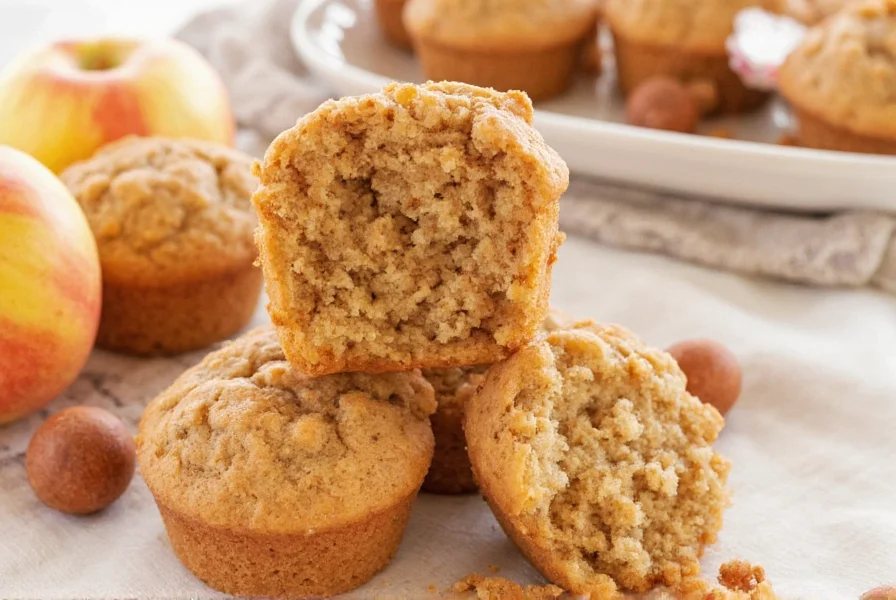
The Essential Guide to Perfect Apple Cinnamon Muffins
Apple cinnamon muffins represent one of baking's most beloved flavor combinations, offering warmth, comfort, and versatility across seasons. This comprehensive guide reveals the science-backed techniques for creating bakery-quality muffins at home, moving beyond basic recipes to explore ingredient interactions and baking chemistry that transform simple components into exceptional results.
Why Apple and Cinnamon Create Baking Harmony
The magic of apple cinnamon muffins lies in complementary flavor chemistry. Cinnamon's cinnamaldehyde compound enhances perceived sweetness while apples contribute natural pectin that improves moisture retention. When selecting apples, consider texture profiles:
| Apple Variety | Texture When Baked | Best For |
|---|---|---|
| Honeycrisp | Holds shape well | Visible apple chunks |
| Granny Smith | Firms up slightly | Balanced tartness |
| Fuji | Softens completely | Moisture-rich texture |
Tossing diced apples in one tablespoon of the recipe's flour prevents sinking during baking—a technique professional bakers use for even distribution. For maximum flavor impact, incorporate cinnamon at three stages: in the dry ingredients, folded into the apple mixture, and as part of the streusel topping.
Professional-Grade Apple Cinnamon Muffin Recipe
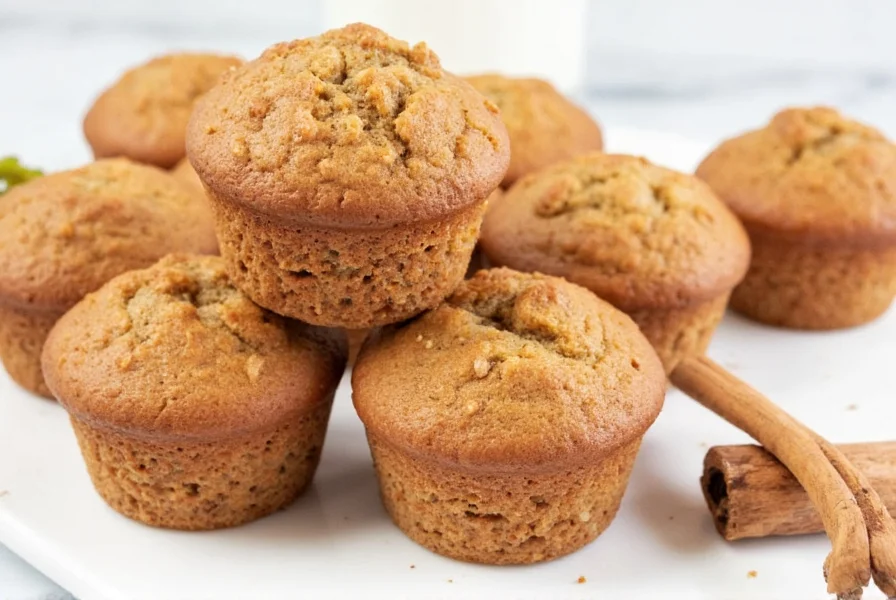
This tested recipe yields twelve perfectly domed muffins with crackly tops and moist interiors. The secret? Buttermilk's acidity reacts with baking soda for superior rise while balancing sweetness.
Ingredients
- 2 cups all-purpose flour
- 1½ cups granulated sugar
- 2 tsp ground cinnamon
- 1½ tsp baking powder
- ½ tsp baking soda
- ½ tsp salt
- 1½ cups peeled, diced apples (about 2 medium)
- 1 cup buttermilk, room temperature
- 2 large eggs, room temperature
- ½ cup unsalted butter, melted and cooled
- 1 tsp vanilla extract
Streusel Topping
- ¼ cup brown sugar
- 2 tbsp flour
- 1 tbsp cinnamon
- 3 tbsp cold butter, cubed
Step-by-Step Baking Process
- Preheat oven to 375°F (190°C) and line muffin tin with papers
- Whisk dry ingredients including 2 tsp cinnamon, then fold in floured apples
- Mix wet ingredients thoroughly before combining with dry mixture
- Fold batter gently until just combined (15-20 strokes max)
- Fill muffin cups ¾ full for proper dome formation
- Apply streusel topping by pinching cold butter into sugar mixture
- Bake 20-25 minutes until toothpick comes out clean
- Cool in pan 5 minutes before transferring to wire rack
Avoiding Common Apple Cinnamon Muffin Mistakes
Even experienced bakers encounter issues with this classic recipe. Understanding these pitfalls ensures consistent results:
- Sunken apples: Always coat diced apples in flour before folding into batter
- Dry texture: Overmixing develops gluten—fold batter just until combined
- Flat tops: Verify oven temperature with independent thermometer
- Bitter aftertaste: Use fresh baking powder (replace every 6 months)
Variations for Dietary Preferences
Adapt this versatile recipe for various dietary needs without sacrificing flavor:
- Gluten-free version: Substitute 1:1 gluten-free flour blend and add ½ tsp xanthan gum
- Vegan adaptation: Replace eggs with flax eggs and use plant-based butter
- Reduced sugar option: Decrease sugar by ¼ cup and add 2 tbsp applesauce
- Nutty variation: Fold in ½ cup toasted walnuts or pecans with the apples
Storage and Serving Recommendations
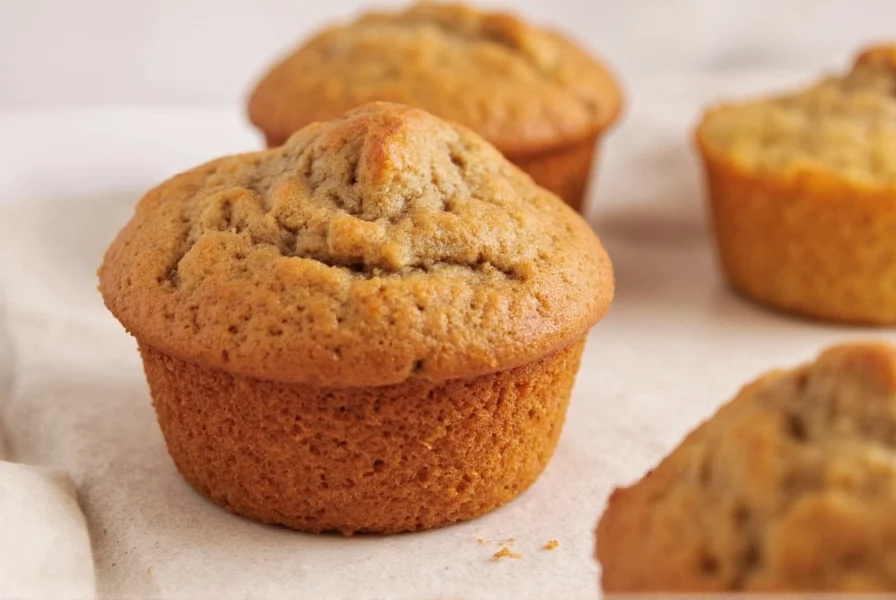
Proper storage maintains texture and flavor. Cool completely before storing in airtight container at room temperature for up to 3 days. For extended freshness, freeze cooled muffins in single layer before transferring to freezer bags—thaw at room temperature for 2 hours. Reheat in 300°F oven for 5 minutes to restore bakery-fresh quality.
Serve warm with optional accompaniments that enhance the flavor profile:
- Vanilla bean yogurt for breakfast pairing
- Bourbon caramel sauce for dessert presentation
- Whipped honey butter for afternoon tea
Frequently Asked Questions
Can I use apple pie filling instead of fresh apples in muffins?
While convenient, canned pie filling adds excess moisture and sugar. For best results, use fresh apples tossed with 1 tbsp flour. If using pie filling, drain thoroughly and reduce added sugar in the recipe by ¼ cup to compensate for the filling's sweetness.
Why do my apple cinnamon muffins collapse after baking?
Collapse typically occurs from overmixing batter or opening the oven too early. Mix ingredients just until combined (15-20 strokes max) and avoid opening the oven during the first 15 minutes of baking. Verify your baking powder is fresh—expired leavening agents lose effectiveness after 6 months.
How can I make my apple cinnamon muffins more moist?
For exceptionally moist muffins, substitute buttermilk for regular milk, add 2 tbsp applesauce to the wet ingredients, and ensure proper baking time—overbaking dries out muffins. Cooling in the pan for 5 minutes before transferring to a rack allows residual heat to finish cooking without drying.
What's the ideal baking temperature for apple cinnamon muffins?
375°F (190°C) creates the perfect balance: high enough for proper rise and dome formation, but not so high that the exterior browns before the interior cooks. Start checking at 20 minutes—muffins are done when a toothpick inserted in the center comes out clean with moist crumbs (not wet batter).




 浙公网安备
33010002000092号
浙公网安备
33010002000092号 浙B2-20120091-4