
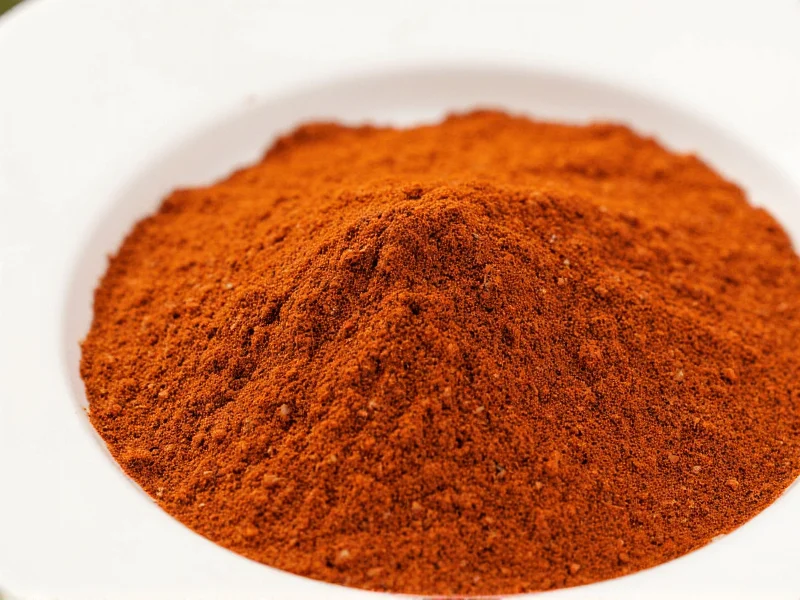
Derived from the seeds of the achiote tree native to tropical regions of the Americas, annatto spice blend serves as both a coloring agent and flavor enhancer in culinary applications. Unlike artificial food dyes, annatto provides natural coloration along with subtle flavor notes that complement rather than overpower dishes.
Understanding Annatto: Seeds, Paste, and Blends
Annatto appears in several forms in cooking:
- Whole seeds - Used for infusing oils or creating homemade blends
- Ground powder - Convenient for direct incorporation into spice mixes
- Annatto paste - Traditional preparation combining seeds with vinegar, garlic, and other seasonings
- Pre-made blends - Commercial or homemade mixtures with complementary spices
| Form | Best Uses | Color Intensity | Flavor Profile |
|---|---|---|---|
| Whole seeds | Infusing oils, rice dishes | Moderate | Earthy, slightly peppery |
| Ground powder | Dry rubs, spice blends | High | More pronounced earthiness |
| Annatto paste | Meat marinades, stews | Very high | Complex with added seasonings |
| Pre-made blends | Versatile cooking applications | Variable | Depends on additional ingredients |
Historical Evolution of Annatto
Annatto's culinary journey reflects centuries of cultural exchange and adaptation. Documented evidence reveals its progression from indigenous applications to global kitchen staple:
- Pre-1492: Indigenous Carib and Arawak tribes used annatto for ceremonial body paint, sunscreen, and food coloring across tropical Americas
- 15th-16th Century: Spanish colonists adopted annatto for cheese coloring (replacing costly saffron) and documented its use in Caribbean cooking
- 18th Century: Jamaica emerged as primary commercial producer, exporting annatto for European textile and dairy industries
- 20th Century: Rising demand for natural colorants propelled annatto to become the world's second-most used natural color (after turmeric)
Source: Food and Agriculture Organization of the United Nations, Non-Wood Forest Products: Dyes and Tannins, 2003.
Culinary Applications of Annatto Spice Blend
Chefs and home cooks value annatto spice blend for its dual functionality as both a natural colorant and flavor enhancer. In traditional Puerto Rican cooking, achiote oil forms the base for many iconic dishes including arroz con pollo and pasteles. Filipino cuisine uses annatto (atsuete) to color and flavor adobo and paella.
When working with annatto spice blend, remember that a little goes a long way. The seeds contain bixin, a fat-soluble pigment that provides intense coloration. For best results, toast whole seeds lightly before grinding or infusing in oil to maximize color release and flavor development.
Creating Authentic Annatto Spice Blend at Home
Commercial annatto blends often contain additional ingredients that alter the pure flavor profile. For authentic results, make your own blend using:
- 2 tablespoons annatto seeds
- 3 cloves garlic, minced
- 1 teaspoon cumin
- 1 teaspoon oregano
- ½ teaspoon black pepper
- ¼ cup vinegar or citrus juice
- ¼ cup oil (preferably neutral like canola)
Combine ingredients in a blender and process until smooth. This traditional annatto seasoning substitute maintains the authentic flavor while providing versatility in Caribbean and Latin American recipes. Store in an airtight container in the refrigerator for up to two weeks.
Substituting Annatto in Recipes
When annatto isn't available, several alternatives can approximate its color and flavor profile:
- Paprika - Provides similar color but lacks the earthy notes
- Saffron - Offers golden color but with distinct floral flavor
- Turmeric - Gives yellow-orange hue with different flavor profile
- Tomato paste - Adds color and depth but changes flavor significantly
For authentic annatto spice blend applications, none of these substitutes perfectly replicate both the color and flavor. When substituting, consider whether color or flavor is more critical to your specific dish.
Storage and Shelf Life Considerations
Proper storage maintains the quality of your annatto spice blend. Whole seeds retain freshness longest—up to two years when stored in an airtight container away from light and heat. Ground annatto powder remains potent for 6-12 months, while prepared pastes or oil infusions should be refrigerated and used within 2-3 weeks.
For extended storage of homemade annatto oil, freeze in ice cube trays then transfer cubes to freezer bags. This method preserves both color and flavor for up to six months, making it convenient for portioning into recipes.
Practical Considerations: When Annatto Works Best
Research confirms specific limitations affecting annatto's performance. Understanding these context boundaries prevents culinary disappointments:
- pH Sensitivity: Annatto maintains vibrant color between pH 3.5-7.0 but rapidly degrades in alkaline conditions (above pH 8.0), making it unsuitable for baking soda-based recipes
- Fat Solubility: As a lipophilic pigment, annatto requires fat for proper dispersion. Water-based preparations like clear soups show uneven coloring without emulsifiers
- Light Exposure: Prolonged light causes fading—store annatto-infused dishes covered to preserve color intensity
Source: University of Georgia Extension, Natural Food Colorants, 2018.
Addressing Common Annatto Questions
Many home cooks wonder about the safety and properties of annatto. Unlike artificial food colorings, annatto is generally recognized as safe by food safety authorities worldwide. While rare, some individuals may experience sensitivity to annatto, typically manifesting as skin reactions rather than digestive issues.
When using annatto spice blend in cooking, remember that the color intensifies over time. Dishes may appear less vibrant immediately after preparation but develop their characteristic rich orange-red hue as they sit. This makes annatto particularly valuable for meal preparation in advance.
Frequently Asked Questions
What is the primary purpose of annatto spice blend in cooking?
Annatto spice blend serves dual purposes in cooking: it provides a distinctive vibrant orange-red color to dishes while contributing a subtle earthy, slightly peppery flavor. Unlike artificial food dyes, annatto offers natural coloring with complementary flavor notes that enhance rather than overpower recipes, making it essential in traditional Latin American, Caribbean, and Filipino cuisines.
Can I make my own annatto spice blend at home?
Yes, you can easily create authentic annatto spice blend at home by combining 2 tablespoons annatto seeds with 3 cloves minced garlic, 1 teaspoon cumin, 1 teaspoon oregano, ½ teaspoon black pepper, ¼ cup vinegar or citrus juice, and ¼ cup neutral oil. Blend until smooth for a traditional seasoning that surpasses commercial blends in flavor authenticity. Store in the refrigerator for up to two weeks.
How does annatto differ from saffron in culinary applications?
While both provide coloration, annatto and saffron differ significantly. Annatto delivers an orange-red hue with earthy, peppery notes at a fraction of saffron's cost. Saffron provides a golden-yellow color with distinctive floral aroma and is considerably more expensive. Annatto works better in hearty dishes like stews and rice preparations, while saffron excels in delicate dishes like paella where its floral notes are desirable.
Is annatto safe for people with food sensitivities?
Annatto is generally recognized as safe by food safety authorities worldwide. However, while rare, some individuals may experience sensitivity, typically manifesting as skin reactions rather than digestive issues. Unlike artificial food colorings, annatto is a natural plant-based coloring with centuries of traditional use. Those with known sensitivities to Bixa orellana should avoid it, but for most people, annatto spice blend presents no health concerns when used in normal culinary amounts.
What are the best dishes to use annatto spice blend in?
Annatto spice blend shines in traditional Latin American and Caribbean dishes including arroz con pollo, pasteles, and various meat marinades. It's particularly effective in rice dishes, stews, and braised meats where its color and subtle flavor can develop fully. Filipino adobo and paella also benefit from annatto's coloring properties. The blend works best in dishes that cook for extended periods, allowing the color to intensify and flavors to meld properly.




 浙公网安备
33010002000092号
浙公网安备
33010002000092号 浙B2-20120091-4