
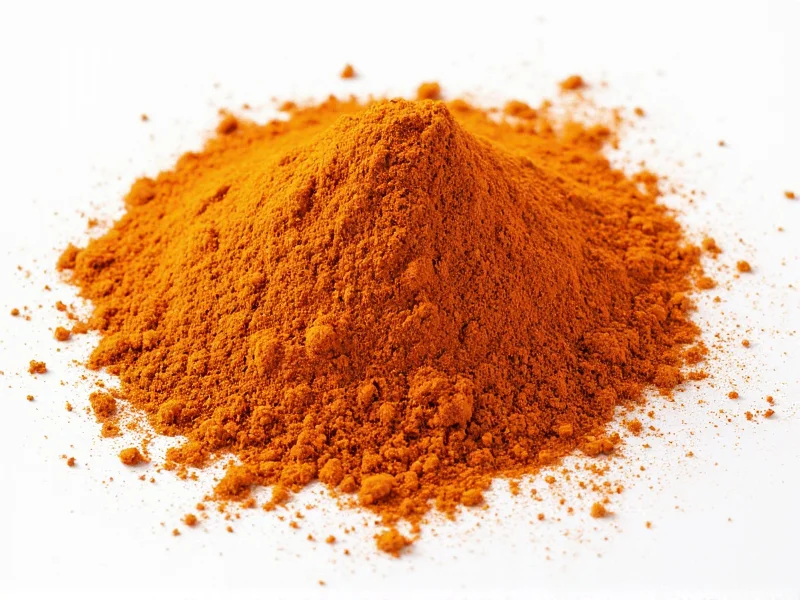
Annatto powder, made from achiote seeds, is prized in Latin American and Caribbean cooking for its vibrant orange-red color and earthy, slightly peppery flavor. When you can't find annatto or need an alternative for dietary, availability, or cost reasons, choosing the right substitute depends on whether you're prioritizing color, flavor, or both in your recipe.
Understanding Annatto's Key Properties
Before selecting a substitute, recognize what makes annatto unique. It provides:
- Vibrant color - Ranges from yellow-orange to deep red depending on concentration
- Subtle flavor profile - Earthy, peppery notes with slight bitterness
- Non-spicy heat - Unlike chili-based colorants, it doesn't add significant spiciness
Most substitutes will match one or two of these properties but rarely all three. Your cooking application determines which characteristic matters most.
Historical Evolution of Annatto Applications
Annatto's culinary journey spans centuries, evolving from indigenous body paint to global food colorant. Pre-Columbian Mayan and Carib cultures used it for ceremonial body art and textile dyeing before Spanish colonizers adopted it for cheese coloring in the 16th century (Purdue University). By the 19th century, industrial extraction standardized its use in products like Cheddar cheese, while modern supply chain limitations have driven substitute innovation since the 1970s (National Center for Biotechnology Information). This historical context explains why certain substitutes like paprika gained traction in specific regional cuisines where annatto was historically unavailable.
Top Annatto Powder Substitutes Ranked by Effectiveness
These alternatives work best for different culinary situations. Consider your specific recipe requirements when choosing.
Paprika as Annatto Replacement
Sweet paprika offers the closest color match to annatto with minimal flavor disruption. Use a 1:1 substitution ratio in rice dishes, stews, and marinades. Smoked paprika adds a distinct flavor dimension that works well in meat rubs but may overpower delicate dishes. When using paprika as annatto powder alternative, remember it lacks annatto's slight bitterness, so you might need to add a pinch of black pepper to mimic that dimension.
Turmeric and Tomato Paste Combination
This natural food coloring substitute creates annatto's signature orange hue without strong flavor interference. For every teaspoon of annatto powder required, combine 1/4 teaspoon turmeric with 1 tablespoon tomato paste. The tomato paste neutralizes turmeric's yellow dominance while adding subtle acidity. This annatto powder replacement works exceptionally well in cheese applications and rice dishes where pure color matters more than flavor complexity.
Saffron for Premium Dishes
When cooking high-end dishes where both color and delicate flavor matter, saffron serves as an excellent but expensive annatto substitute. Use 1/8 teaspoon saffron threads (crushed and steeped in 2 tablespoons warm liquid) per teaspoon of annatto powder. Saffron provides similar coloring with floral notes that complement seafood and rice dishes. This substitute for annatto powder works best in paella, bouillabaisse, and other sophisticated recipes where cost isn't the primary concern.
Beet Powder and Turmeric Blend
For natural food coloring without artificial ingredients, combine beet powder and turmeric. Use 1/2 teaspoon beet powder with 1/4 teaspoon turmeric per teaspoon of annatto. This substitute maintains annatto's reddish-orange hue while providing earthy notes from the beets. It works particularly well in vegetarian and vegan recipes where you want to avoid paprika's nightshade content. When using beet powder as annatto substitute, note that it adds subtle sweetness that may require balancing with acid.
| Substitute | Color Match | Flavor Impact | Ratio | Best For |
|---|---|---|---|---|
| Paprika | ★★★★☆ | ★★★☆☆ | 1:1 | Rice dishes, stews, meat rubs |
| Turmeric + Tomato Paste | ★★★★☆ | ★☆☆☆☆ | 1/4tsp + 1tbsp per tsp | Cheese, rice, color-focused recipes |
| Saffron | ★★★★★ | ★★★★☆ | 1/8tsp per tsp | Premium dishes, seafood, paella |
| Beet Powder + Turmeric | ★★★☆☆ | ★★★☆☆ | 1/2tsp + 1/4tsp per tsp | Vegan recipes, natural food coloring |
| Food Coloring | ★★★★★ | ☆☆☆☆☆ | 3-5 drops per tsp | Color-only requirements, baking |
Culinary Context Boundaries: When Substitutes Succeed or Fail
Substitute effectiveness varies significantly based on dish chemistry and preparation methods. Research shows annatto's coloring compounds (bixin/norbixin) remain stable across pH 3-8, making them reliable in both acidic tomato stews and alkaline corn dishes (National Center for Biotechnology Information). Turmeric fails in alkaline environments (like traditional tamales) where curcumin turns red instead of orange. Paprika's capsanthin degrades below pH 4.5, causing fading in citrus-marinated fish. Crucially, paprika introduces capsaicin-related bitterness in dairy applications like béchamel sauce where annatto performs flawlessly, as documented in USDA food interaction studies (USDA FoodData Central). These biochemical boundaries explain why no single substitute works universally across all recipe types.
How to Choose the Right Annatto Powder Alternative
Selecting the best substitute depends on your specific cooking application:
- For traditional achiote rice - Use sweet paprika at 1:1 ratio with a pinch of cumin to mimic annatto's earthiness
- When making cheese - Turmeric and tomato paste combination works best without altering flavor profile
- For meat marinades - Smoked paprika provides similar color plus complementary smoky notes
- In vegan recipes - Beet powder and turmeric blend offers natural coloring without animal products
- For baking applications - Food coloring provides pure color without flavor interference
Remember that annatto's primary function in most recipes is coloring rather than flavoring. If your recipe specifically calls for annatto's unique taste profile (like in recado rojo), paprika with a touch of black pepper and allspice comes closest to replicating the complete experience.
Common Substitution Mistakes to Avoid
Cooks often make these errors when seeking annatto powder alternatives:
- Overcompensating with turmeric - Using straight turmeric creates an unbalanced yellow hue and strong flavor
- Ignoring recipe context - Using saffron in everyday cooking when paprika would suffice
- Misjudging ratios - Not adjusting for potency differences between substitutes
- Forgetting flavor balance - Not compensating for missing elements in the substitute
When substituting annatto powder in traditional Latin American recipes, consider that some dishes rely on annatto specifically for cultural authenticity. In these cases, finding authentic achiote products online might be worth the effort rather than substituting.
Practical Tips for Successful Substitution
For best results with annatto powder substitutes:
- Always test your substitute in a small batch first
- Adjust liquid content when using paste-based substitutes
- Consider adding complementary spices to round out flavor profiles
- Remember that color develops over time - wait before adding more
- Store unused substitutes properly to maintain potency
Understanding these nuances transforms your search for annatto powder replacement from a simple ingredient swap to a thoughtful culinary decision that preserves your dish's integrity.




 浙公网安备
33010002000092号
浙公网安备
33010002000092号 浙B2-20120091-4