
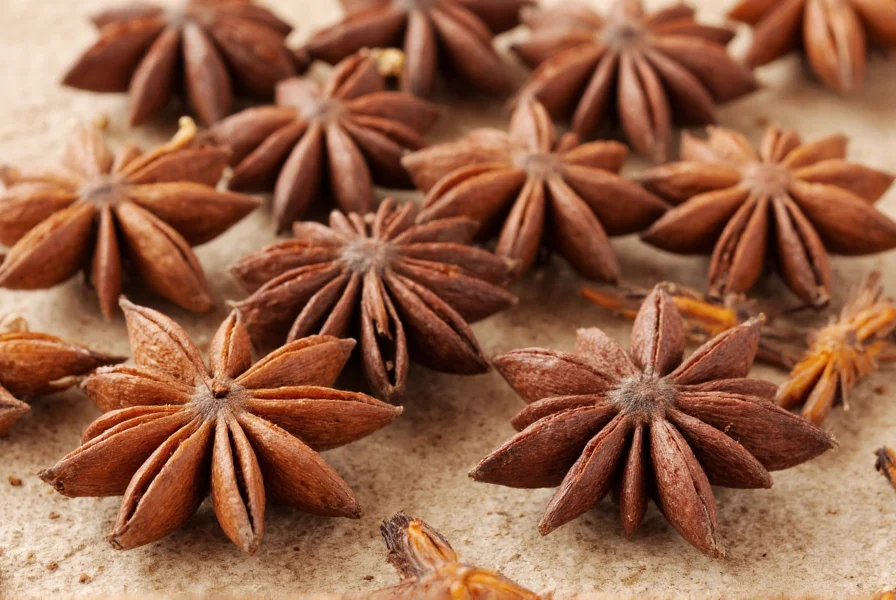
Star anise (Illicium verum) stands as one of the most distinctive spices in global culinary traditions, yet it's frequently misunderstood due to its confusing name. Unlike common anise seeds, which come from a flowering plant in the Apiaceae family, star anise originates from an evergreen tree in the Schisandraceae family. This fundamental botanical difference explains why these two spices, despite sharing similar flavor compounds, possess unique characteristics that affect their culinary applications and health properties.
Botanical Identity and Origin
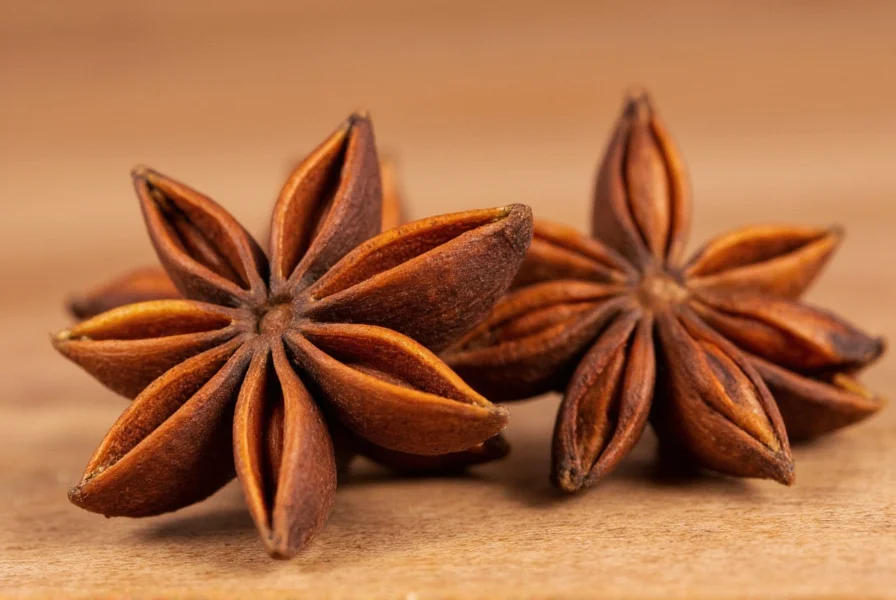
The star-shaped pods of Illicium verum typically measure 2.5-5 cm in diameter and contain a single seed in each of their 6-13 carpels. Native to subtropical regions of China and Vietnam, star anise has been cultivated for over 3,000 years. The tree grows up to 20 feet tall and produces aromatic flowers before developing the characteristic star-shaped fruits. Harvested while still green, the pods are sun-dried until they transform into the familiar reddish-brown color that indicates peak flavor concentration.
Star Anise vs. Anise: Critical Differences
Understanding the distinction between these commonly confused spices proves essential for both culinary precision and safety considerations:
| Characteristic | Star Anise (Illicium verum) | Anise (Pimpinella anisum) |
|---|---|---|
| Botanical Family | Schisandraceae | Apiaceae |
| Plant Type | Evergreen tree | Annual herb |
| Physical Form | Star-shaped fruit pods | Small oval seeds |
| Primary Flavor Compound | Anethole (90% of essential oil) | Anethole (80-90% of essential oil) |
| Additional Compounds | Shikimic acid, limonene | Anise ketone, methyl chavicol |
| Native Region | China, Vietnam | Mediterranean, Southwest Asia |
While both spices share anethole as their dominant flavor compound, star anise contains significantly higher concentrations of shikimic acid, making it the preferred source for pharmaceutical production of oseltamivir (Tamiflu). This distinction becomes particularly relevant during influenza pandemics when demand for the antiviral medication surges.
Historical Significance Timeline
Star anise's role in human health and commerce has evolved through distinct phases:
- Pre-1500 CE: Documented in Shennong Ben Cao Jing (Divine Farmer's Materia Medica), one of China's earliest pharmacopeias, for treating respiratory and digestive ailments [1]
- 16th Century: Introduced to Europe via Portuguese traders; featured in Nicolas Monardes' medicinal plant compendium [2]
- 1997: Shikimic acid from star anise identified as critical precursor for Tamiflu synthesis by Gilead Sciences [3]
- 2005-2006: Global star anise production increased by 300% to meet Tamiflu demand during H5N1 avian influenza concerns [4]
Culinary Applications of Star Anise
Chefs worldwide utilize star anise for its complex flavor profile that combines sweet, spicy, and slightly bitter notes. Unlike powdered spices, whole star anise pods release their flavors gradually during cooking, making them ideal for slow-cooked dishes. Professional kitchens commonly employ star anise in:
- Chinese five-spice powder (combined with cloves, cinnamon, fennel seeds, and Szechuan pepper)
- Vietnamese pho broth, where it provides foundational flavor
- Indian garam masala blends and biryani rice dishes
- French bouquet garni for game meats and stews
- Slow-cooked fruit compotes and poaching liquids for pears or apples
- Homemade vanilla extract enhancement
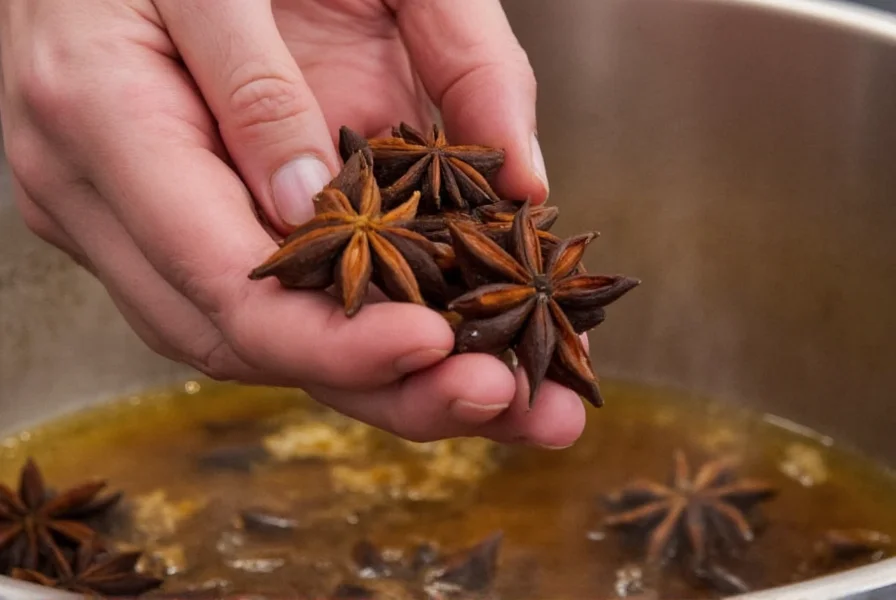
When using star anise in cooking, professional chefs recommend adding whole pods early in the cooking process to maximize flavor extraction. The spice works particularly well with fatty meats like pork belly or duck, where its compounds help cut through richness. For optimal results when making broths or stews, use one whole star per quart of liquid, removing the pods before serving to prevent overpowering bitterness.
Health Benefits and Medicinal Properties
Traditional Chinese medicine has utilized star anise for centuries to address digestive issues, respiratory conditions, and as an antimicrobial agent. Modern research supports several potential health benefits:
- Digestive aid: Star anise tea may help alleviate bloating, gas, and indigestion through its carminative properties
- Antimicrobial effects: Laboratory studies show effectiveness against certain bacteria and fungi
- Antioxidant properties: Contains linalool and other compounds that combat oxidative stress
- Respiratory relief: Traditionally used in cough syrups and expectorants
- Menstrual discomfort: Some evidence suggests it may help reduce period pain
However, it's crucial to distinguish between culinary use and medicinal application. The concentration of active compounds in food preparation differs significantly from therapeutic doses studied in clinical settings. Most health benefits observed in research involve concentrated extracts rather than typical culinary usage.
Safety Considerations and Contextual Boundaries
While culinary use of star anise proves generally safe, important safety considerations exist with critical usage boundaries:
- Japanese star anise danger: Illicium anisatum, a toxic relative, contains sikimitoxin that can cause severe neurological symptoms. Always purchase from reputable sources.
- Pregnancy context: Limited to culinary amounts (1-2 stars per recipe) is considered safe by the American College of Obstetricians and Gynecologists, but therapeutic doses may stimulate uterine contractions [5].
- Infant safety boundary: Contraindicated for children under 5 due to documented neurological risks; the European Medicines Agency specifically prohibits use in infant teas [6].
- Medicinal vs. culinary boundary: Therapeutic applications require professional supervision; self-treatment with concentrated extracts risks adverse interactions with anticoagulants and CNS depressants [7].
For safe consumption, limit intake to culinary amounts (typically 1-2 whole stars per recipe serving 4-6 people). When purchasing, look for plump, deep reddish-brown pods with a strong, sweet aroma. Avoid any with signs of mold or mustiness, which indicate poor quality or improper storage.
Storage and Shelf Life
To maintain optimal flavor and potency, store whole star anise in an airtight container away from light and heat. Properly stored, whole pods retain their flavor for 2-3 years, significantly longer than ground spices. The essential oils responsible for star anise's distinctive flavor gradually evaporate once ground, which is why culinary experts recommend using whole pods and grinding them immediately before use when a powdered form is required.
Check for freshness by rubbing a pod between your fingers and smelling for the characteristic licorice aroma. Deteriorated star anise will have a faint or musty scent and should be replaced. Never store star anise in the refrigerator, as moisture exposure can cause mold growth.
Substitutes for Star Anise
When star anise proves unavailable, several alternatives can approximate its flavor profile depending on the recipe requirements:
- Anise seeds: Use 1 teaspoon seeds for each whole star (note different flavor profile)
- Fennel seeds: Provides similar licorice notes with more sweetness
- Chinese five-spice powder: Contains star anise plus complementary spices
- Fenugreek: Offers bitter-sweet complexity (use sparingly)
- Ground cloves: For the warm, spicy notes (combine with anise seeds)
For authentic Asian recipes like pho or Chinese braises, no substitute perfectly replicates star anise's unique contribution. In these cases, consider adjusting other spices in the recipe rather than seeking a direct replacement. When substituting, remember that star anise provides both flavor and visual presentation in many dishes, so the aesthetic element may also be lost.
Conclusion
Star anise represents far more than just a spice with a confusing name—it's a culinary bridge between Eastern and Western cooking traditions, a source of important pharmaceutical compounds, and a staple in traditional medicine systems worldwide. Understanding the difference between star anise and regular anise prevents potential confusion in recipes and safety concerns. When used properly, this distinctive spice enhances dishes with its complex flavor while offering potential health benefits. Whether you're preparing authentic Asian cuisine, experimenting with new flavor combinations, or simply curious about this star-shaped spice, recognizing its unique properties ensures you'll use it effectively and safely in your culinary adventures.
Frequently Asked Questions
What's the difference between star anise and anise seeds?
Star anise (Illicium verum) comes from an evergreen tree and features star-shaped pods, while anise seeds (Pimpinella anisum) are small oval seeds from an annual herb. Though both contain anethole (providing similar licorice flavor), they belong to different plant families. Star anise has higher shikimic acid content and a slightly more intense, complex flavor with subtle bitter notes compared to the sweeter, milder anise seeds.
Can I substitute star anise for anise in recipes?
Yes, but with important considerations. Use 1 whole star anise for every 1 teaspoon of anise seeds, but remember they aren't perfect substitutes. Star anise has a stronger, more complex flavor with subtle bitter notes, while anise seeds are sweeter and milder. For best results in baking, use anise seeds; for slow-cooked dishes like stews or broths, star anise works better. Never substitute Japanese star anise (Illicium anisatum), which is toxic.
Is star anise safe to eat regularly?
Yes, star anise is safe when used in culinary amounts (typically 1-2 whole stars per recipe serving 4-6 people). However, excessive consumption may cause adverse effects due to its potent compounds. Avoid giving star anise tea to infants or young children, as it has been linked to neurological symptoms. Pregnant women should consume it in moderation as high doses might stimulate uterine contractions. Always ensure you're using authentic Chinese star anise (Illicium verum) and not the toxic Japanese variety (Illicium anisatum).
What are the main culinary uses for star anise?
Star anise shines in slow-cooked dishes where its complex flavors can fully develop. It's essential in Chinese five-spice powder, Vietnamese pho broth, and Indian biryani. Professional chefs use it in braises for fatty meats like pork belly, in fruit compotes, and in spice blends for baked goods. Unlike powdered spices, whole star anise releases flavor gradually during cooking. For best results, add whole pods early in the cooking process and remove before serving. It pairs exceptionally well with cinnamon, cloves, and citrus flavors.
Why is star anise used in Tamiflu production?
Star anise contains high concentrations of shikimic acid, the primary natural precursor for synthesizing oseltamivir (Tamiflu). During influenza outbreaks, it becomes critically important as synthetic production methods are less efficient. The World Health Organization recognizes its role in pandemic preparedness, though research continues on alternative shikimic acid sources [4].




 浙公网安备
33010002000092号
浙公网安备
33010002000092号 浙B2-20120091-4