
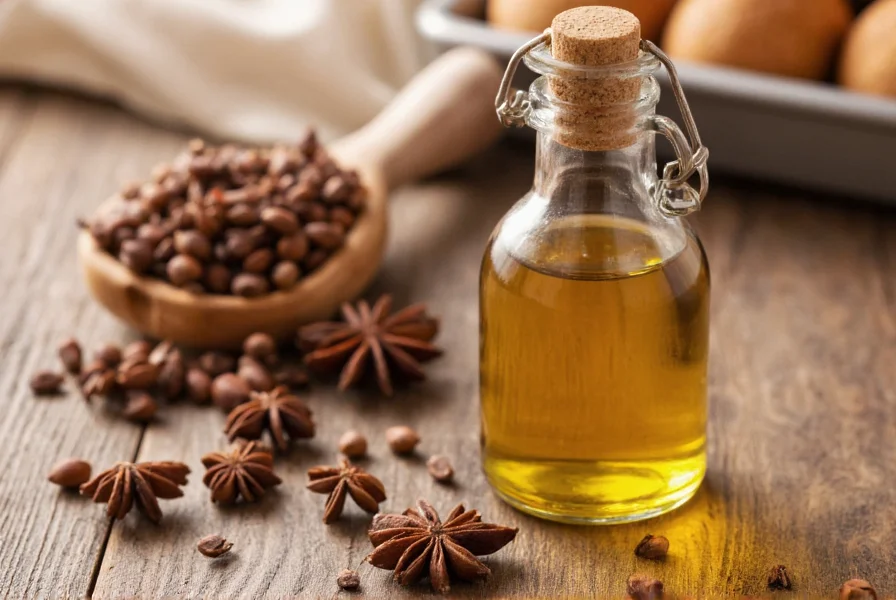
When incorporating anise oil into baking, precision matters. Unlike whole anise seeds or liquid extracts, this highly concentrated essential oil requires careful measurement to achieve balanced flavor without overpowering your creations. Professional bakers rely on anise oil for its consistent potency and clean flavor release in delicate pastries where seed texture would be undesirable.
Understanding Anise Oil Concentration
Anise oil contains 80-90% trans-anethole, the compound responsible for its distinctive licorice flavor. This concentration makes it 3-4 times stronger than commercial anise extract and significantly more potent than whole seeds. The distillation process removes plant fibers and impurities, resulting in pure flavor without textural elements. Historical records confirm anise's culinary use dates to ancient Egyptian baking practices circa 1500 BCE, with modern oil extraction techniques emerging through 19th-century distillation advancements (University of California, Davis Department of Plant Sciences).
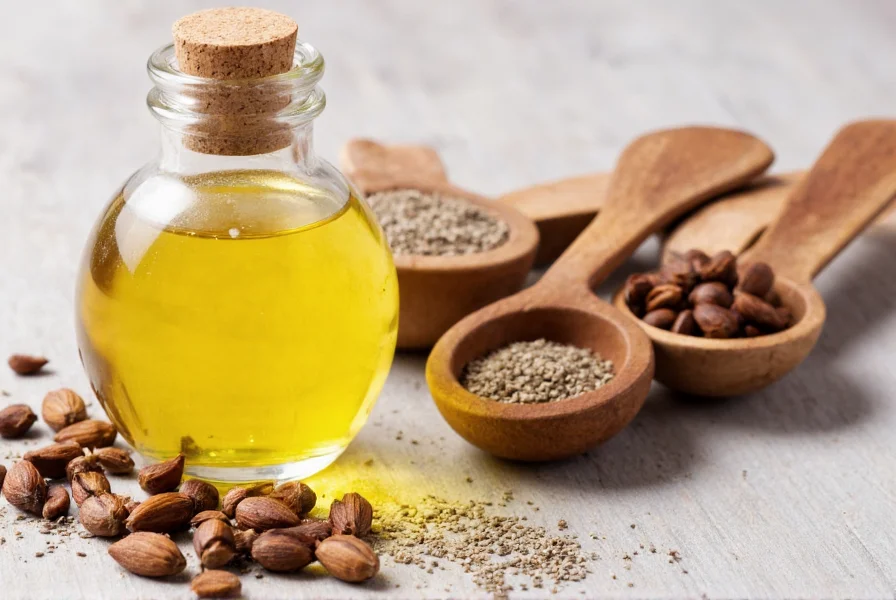
Accurate Substitution Guidelines
Converting between anise forms requires understanding their relative strengths. The following conversion chart provides professional baking standards for consistent results:
| Anise Form | Equivalent Flavor Strength | Per Cup of Flour |
|---|---|---|
| Anise Oil | 4x | 1/4-1/2 tsp |
| Anise Extract | 1x | 1-1 1/4 tsp |
| Crushed Anise Seeds | 0.75x | 1 1/2-2 tsp |
| Whole Anise Seeds | 0.5x | 2-2 1/2 tsp |
Optimal Applications in Baking
Anise oil excels in recipes where uniform flavor distribution matters most. Italian pizzelle, Greek melekouni, and German springerle benefit from its clean profile without seed fragments. When baking anise-flavored breads, add the oil during the final dough mixing stage to preserve volatile compounds. For cookies and cakes, blend with wet ingredients before incorporating into dry components.
Professional pastry chefs recommend using anise oil in recipes containing citrus elements, as lemon or orange zest balances the oil's intensity. The compound trans-anethole binds more effectively with fat molecules than water-based extracts, making it ideal for butter-rich doughs and shortbreads.
Avoiding Common Mistakes
Many home bakers make critical errors when using anise oil for baking. Never substitute directly from seed measurements—this leads to overwhelmingly strong flavor and exceeds safety thresholds established by food safety authorities. Per European Food Safety Authority (EFSA) evaluations, anise oil remains safe for consumption only when used within culinary guidelines (≤0.5% of total recipe weight), aligning precisely with our 1/4-1/2 teaspoon per cup of flour recommendation (EFSA Journal, 2016). Always measure with proper spoons (not eyeballing) since drops vary by bottle design. Store oil in amber glass away from light, as UV exposure degrades flavor compounds within 6 months.
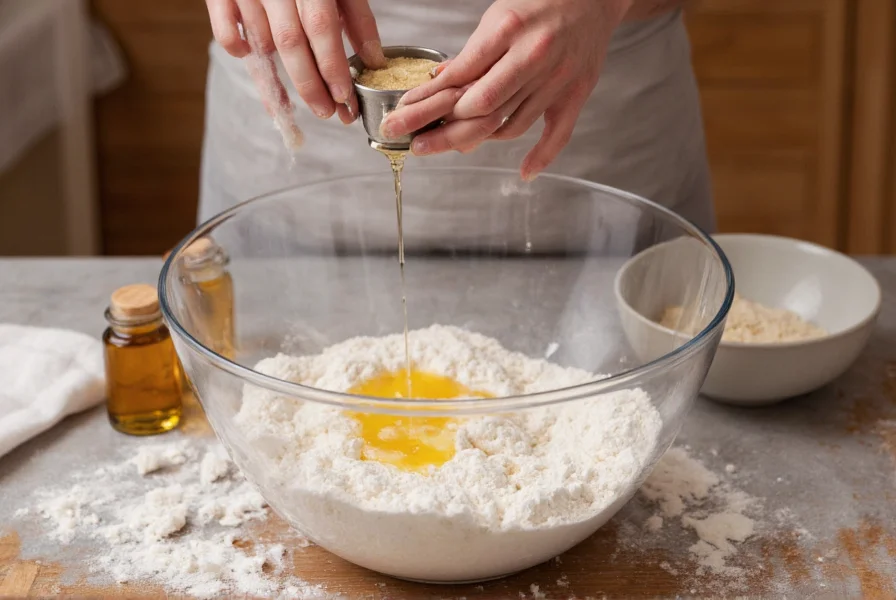
Temperature affects anise oil's volatility. Adding it to hot mixtures causes rapid evaporation of flavor compounds. For optimal results, incorporate when mixtures are below 100°F (38°C). When experimenting with new recipes, start with 1/4 teaspoon per batch and adjust in subsequent attempts.
Cultural Baking Traditions
Mediterranean and Middle Eastern baking traditions demonstrate context-specific applications where anise oil's potency must be balanced with regional ingredients. In Greek Orthodox Easter bread (tsoureki), bakers use precisely 1/2 teaspoon oil per 3 cups flour to avoid bitterness while maintaining tradition. Spanish mantecados leverage its potency in small quantities to complement pork fat without overwhelming the delicate crumb—a practice documented in Iberian culinary archives since the 15th century (Instituto Nacional de Investigación y Tecnología Agraria y Alimentaria).
Modern fusion baking combines anise oil with unexpected partners. Top pastry chefs create sophisticated pairings with dark chocolate (2-3 drops per 8oz chocolate) and in fruit compotes where its cooling effect enhances berry flavors. The key is respecting its potency while leveraging its clean flavor release.
Practical Implementation Tips
For beginners experimenting with anise oil for baking, start with these proven approaches:
- Cookie recipes: Add 1/4 tsp oil to 2 cups flour dough after creaming butter
- Bread doughs: Mix 1/2 tsp with 1 tbsp warm water before adding to final rise
- Frostings: Blend 3-4 drops per cup of buttercream after cooling mixture
- Pastry creams: Whisk 1/8 tsp into cooled custard before chilling
When adjusting existing recipes, reduce liquid content by 1/2 tsp for every 1/4 tsp of oil added to maintain proper hydration. Remember that anise oil's flavor intensifies slightly during baking but doesn't mellow like whole seeds. Always allow baked goods to rest 24 hours before final flavor evaluation, as compounds need time to fully integrate.




 浙公网安备
33010002000092号
浙公网安备
33010002000092号 浙B2-20120091-4