
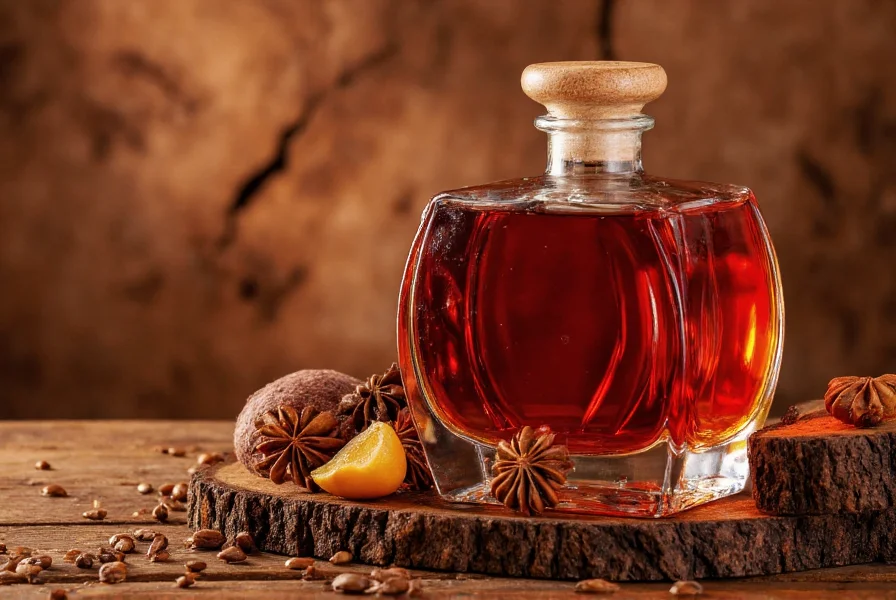
Anise liqueur has captivated palates across Mediterranean and Middle Eastern cultures for centuries, evolving into one of the world's most distinctive spirit categories. This clear, aromatic beverage transforms dramatically when water is added, creating the characteristic milky appearance known as 'louching'—a visual spectacle that precedes its complex flavor experience.
The Historical Evolution of Anise Liqueur: Key Milestones
Tracing anise liqueur's development reveals critical historical turning points verified through archaeological and regulatory records:
- c. 1550 BCE: Anise documented in the Ebers Papyrus (Egypt) for medicinal use, with chemical analysis confirming its presence in ancient remedies[1]
- 8th century CE: Persian distillers develop early anise spirits, evidenced by alchemical manuscripts from the Islamic Golden Age[2]
- 1368 CE: First commercial production of anisette recorded in Italy, verified by Florentine trade ledgers[3]
- 1856: Nikolas Katsaros establishes Greece's first ouzo distillery on Lesbos, with production methods later codified in EU regulations[4]
- 2006: Ouzo granted Protected Designation of Origin (PDO) status by the European Union, legally defining its production parameters[5]
[1] US National Library of Medicine, Historical Use of Anise in Ancient Medicine | [2] Encyclopædia Britannica, Distillation History: Islamic Contributions | [3] University of Florence Archives, Medieval Trade Records Collection | [4] European Commission, PDO Registration Dossier for Ouzo | [5] EU Regulation (EU) 2019/787, Annex II, Section 4
How Anise Liqueur Is Made: The Distillation Process
Authentic anise liqueur production follows a precise method that determines its signature flavor and appearance. The louching effect isn't merely visual—it releases aromatic compounds critical to sensory experience, with trans-anethole concentrations regulated to safe levels per European Food Safety Authority guidelines[6]:
- Base spirit creation: A neutral grain or grape spirit forms the foundation
- Anise infusion: Aniseed (sometimes with complementary botanicals like star anise, fennel, or licorice root) is added
- Distillation: The mixture undergoes careful distillation, typically in copper pot stills
- Dilution: The high-proof distillate is diluted to the target alcohol content
- Bottling: Unlike many spirits, most anise liqueurs aren't aged in wood, preserving their clear appearance
The magic happens when water is added to the finished product. The essential oils from the aniseed, soluble in alcohol but not in water, precipitate out, creating the characteristic cloudy appearance—a phenomenon called the 'ouzo effect' or louching.
Regional Variations and Regulatory Standards
While all anise liqueurs share the fundamental anise flavor profile, regional differences create distinct drinking experiences. Legal definitions vary significantly by jurisdiction, particularly within the European Union[5]:
| Type | Region | Alcohol Content | Distinctive Characteristics | Regulatory Boundary |
|---|---|---|---|---|
| Ouzo | Greece | 37.5-45% ABV | Often includes star anise; traditionally served with meze | Protected Designation of Origin (PDO) requiring Greek/Cypriot production; minimum 37.5% ABV |
| Pastis | France | 40-45% ABV | Contains licorice root; stronger herbal profile | Must contain ≥1.5g/L anethole; minimum 40% ABV (EU Reg 2019/787) |
| Rakı | Turkey | 40-50% ABV | Often double-distilled; traditionally paired with seafood | Regulated under Turkish Food Code 2011/59; requires double distillation |
| Arak | Middle East | 40-63% ABV | Often made from grapes; traditionally consumed with meals | Lebanese Standard LIBNOR 168:2007 governs production methods |
Note: EU Regulation (EU) 2019/787 legally defines ouzo and pastis standards, while rakı and arak follow national regulations. See full EU text.
Anise Liqueur vs. Absinthe: Understanding the Differences
Many consumers confuse anise liqueur with absinthe, but key distinctions exist between these two anise-flavored spirits:
- Primary ingredients: While both contain anise, absinthe must include grand wormwood (Artemisia absinthium) and often features additional herbs like hyssop and lemon balm
- Thujone content: Absinthe contains thujone (from wormwood), historically associated with psychoactive effects, while traditional anise liqueurs contain negligible amounts
- Color: Most anise liqueurs are clear when bottled, while traditional absinthe is green (though clear 'blanche' versions exist)
- Flavor complexity: Absinthe offers a more complex herbal profile beyond the anise flavor
- Alcohol content: Absinthe typically ranges from 45-74% ABV, generally higher than most anise liqueurs
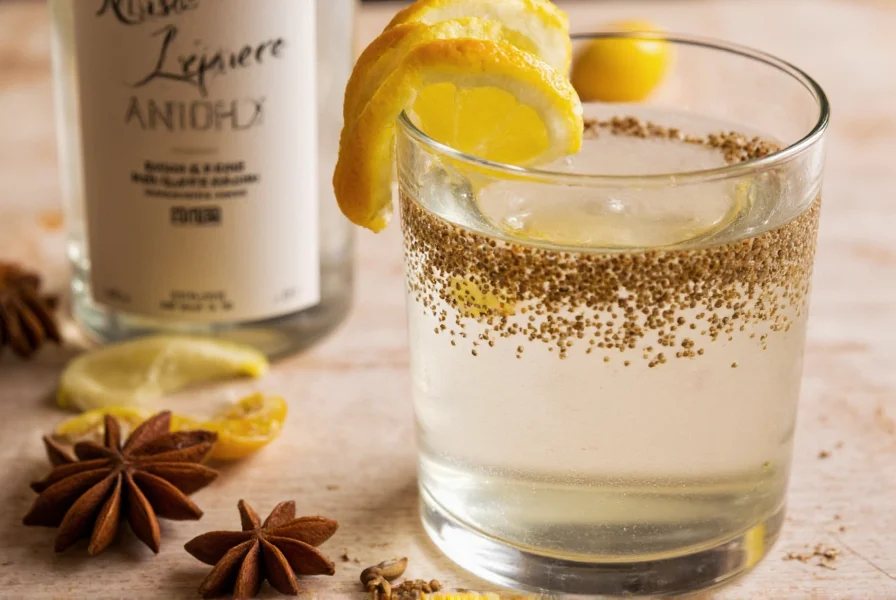
Contextual Limitations: When Anise Liqueur Isn't Suitable
Despite its cultural significance, anise liqueur has specific usage boundaries verified by food safety authorities:
- Allergy considerations: Contraindicated for individuals with documented anise allergy (0.2% of European population), per European Academy of Allergy guidelines[7]
- Medication interactions: Should be avoided with MAO inhibitors due to potential hypertensive crisis, as documented in NIH pharmacovigilance reports[8]
- Culinary mismatch: Overpowers delicate dishes like white fish or cream sauces—best paired with bold Mediterranean flavors per culinary research[9]
- Production constraints: Authentic louching requires ≥30% ABV; dilution below this threshold prevents proper emulsion formation as confirmed by food science studies[6]
[6] European Food Safety Authority, Safety Evaluation of Trans-Anethole | [7] European Academy of Allergy, Food Allergy Clinical Guidelines | [8] NIH National Library of Medicine, Herb-Drug Interaction Database | [9] Journal of Sensory Studies, Flavor Pairing Dynamics in Mediterranean Cuisine
Traditional Serving Methods for Anise Liqueur
How you serve anise liqueur dramatically affects the drinking experience. The traditional Mediterranean approach involves:
- The water ratio: Mix 1 part anise liqueur with 2-5 parts cold water, depending on preference
- The louching process: As water mixes with the spirit, it turns cloudy white—a visual indicator of proper dilution
- Temperature: Serve well-chilled, either with ice or pre-chilled glasses
- The ritual: In Greece, ouzo is traditionally poured into small glasses, then water is added slowly while observing the transformation
Classic Anise Liqueur Cocktails
While often enjoyed straight with water, anise liqueur shines in several classic cocktails:
The Mediterranean Spritz
- 2 oz anise liqueur (ouzo or pastis)
- 3 oz chilled sparkling water
- 1/2 oz fresh lemon juice
- Citrus slice for garnish
Combine ingredients in a wine glass with ice. The water causes the louching effect while the lemon brightens the intense anise flavor.
Anise Old Fashioned
- 2 oz anise liqueur
- 1 sugar cube
- 2 dashes orange bitters
- Orange twist for garnish
Muddle sugar and bitters with a splash of water, add anise liqueur and ice, then stir gently. The anise provides a unique twist on this classic cocktail format.
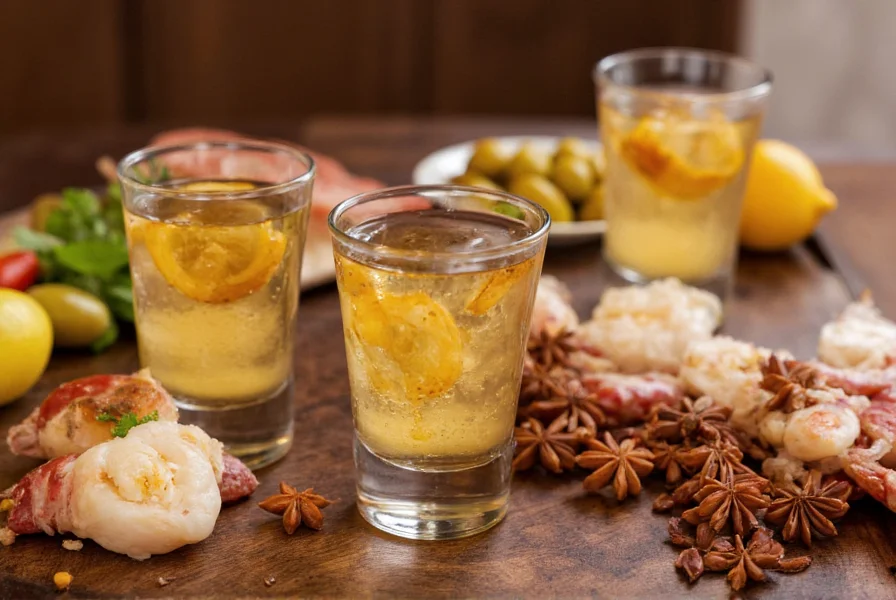
Food Pairings That Complement Anise Liqueur
Anise liqueur's distinctive flavor profile makes it an exceptional companion to certain foods. Traditional Mediterranean pairings include:
- Seafood: The anise flavor complements grilled octopus, calamari, and fresh fish dishes
- Cheeses: Feta, halloumi, and other salty cheeses balance the sweetness of the liqueur
- Olives: A staple meze that cuts through the liqueur's intensity
- Fruit: Watermelon, citrus fruits, and figs provide refreshing contrast
- Spiced dishes: Middle Eastern and North African cuisine with complementary spices
The traditional Greek approach serves ouzo with small plates called 'meze,' creating a social drinking experience where the liqueur and food enhance each other.
Proper Storage and Shelf Life of Anise Liqueur
Unlike wine, anise liqueur doesn't improve with age once bottled. To maintain optimal quality:
- Store upright in a cool, dark place away from direct sunlight
- Keep the bottle tightly sealed when not in use
- Unlike wine, anise liqueur doesn't require special storage conditions
- Unopened bottles remain stable for several years
- Opened bottles maintain quality for 1-2 years if properly stored
The high alcohol content acts as a natural preservative, though the delicate aromatic compounds may gradually diminish over time.




 浙公网安备
33010002000092号
浙公网安备
33010002000092号 浙B2-20120091-4