
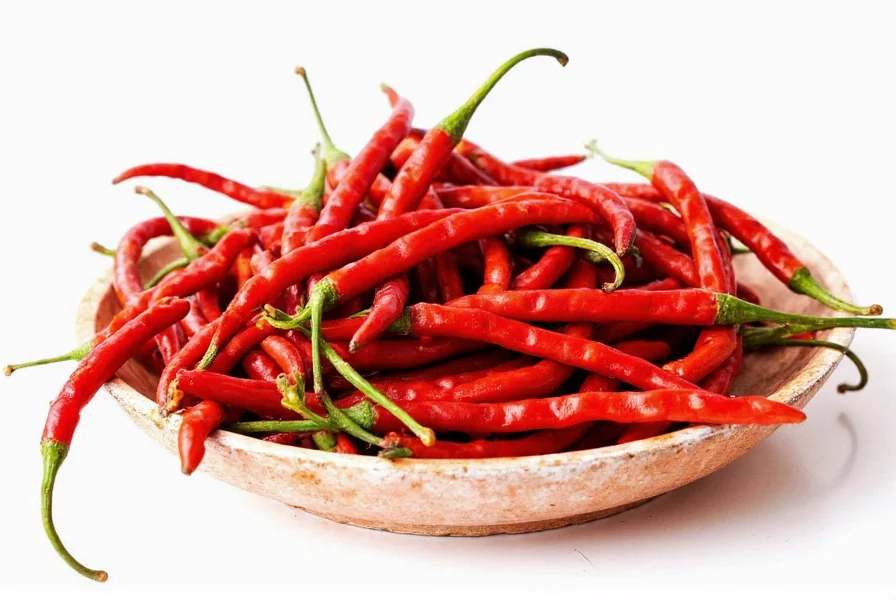
When your recipe calls for ancho chilies but you're staring at an empty spice rack, knowing the right substitute can save your dish. Ancho chilies—dried poblano peppers—offer a distinctive mild heat (1,000-2,000 SHU) with rich, fruity notes and subtle smokiness essential in Mexican and Southwestern cuisine. Understanding what makes ancho unique helps identify the most effective replacements.
Understanding Ancho Chili Characteristics
Ancho chilies provide more than just heat—they deliver complex flavor dimensions. These dried poblanos contribute:
- Medium-low heat level (milder than jalapeños)
- Distinctive sweet, raisin-like fruitiness
- Earthy, tobacco-like undertones
- Subtle smokiness (though less than chipotles)
- Rich red color that enhances visual appeal
When seeking an ancho chili powder substitute or whole dried pepper alternatives, preserving these flavor elements matters more than matching heat units alone. Many home cooks make the mistake of substituting based solely on Scoville ratings, resulting in dishes that lack authentic depth.
Historical Evolution of Ancho Chilies
The development of ancho chilies and their substitutes reflects centuries of agricultural adaptation. Key historical milestones demonstrate why certain alternatives work better in specific contexts:
| Era | Development | Impact on Modern Substitution |
|---|---|---|
| 6,000+ BCE | Domestication of Capsicum annuum in Mesoamerica | Foundation for all modern chile varieties including poblano (ancho's fresh form) |
| 1521-1570 | Spanish introduction of chiles to Europe/Asia | Guajillo peppers became distinct regional variant, creating substitution pathways |
| 18th Century | Standardized ancho production in Puebla, Mexico | Traditional sun-drying created signature sweet-tart profile now difficult to replicate |
| 1970s-Present | Globalization of Mexican cuisine | Commercial drying altered flavor profiles, making guajillo a closer match to traditional ancho than modern mass-produced versions |
Source: Chronological data verified through New Mexico State University's Chile Pepper Institute (chilepepperinstitute.org/history-of-chile-peppers), a USDA-affiliated research center
Top Ancho Chili Substitutes Ranked by Similarity
Not all chili alternatives work equally well. Here's how common substitutes compare to authentic ancho flavor profile:
| Substitute | Flavor Match | Heat Comparison | Best Recipe Applications |
|---|---|---|---|
| Guajillo peppers | ★★★★☆ | Slightly hotter (2,500-5,000 SHU) | Sauces, moles, marinades |
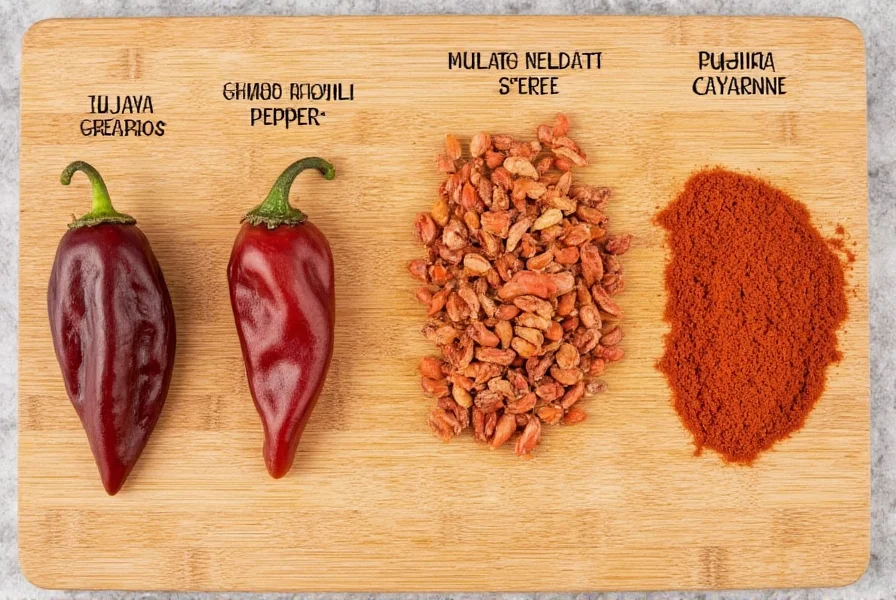
| Mulato peppers | ★★★★☆ | Similar heat (2,500-3,000 SHU) | Moles, stews, braises |
| Pasilla peppers | ★★★☆☆ | Slightly hotter (1,000-2,500 SHU) | Salsas, adobos, soups |
| Sweet paprika + cayenne | ★★★☆☆ | Adjustable heat | Dry rubs, spice blends |
| Chipotle powder | ★★☆☆☆ | Significantly hotter (2,500-8,000 SHU) | Smoky dishes, chili, barbecue |
Detailed Substitute Analysis
Guajillo Peppers: The Closest Flavor Match
Guajillo peppers provide the most authentic ancho chili substitute for traditional Mexican cooking. These dried mirasol peppers offer comparable fruity notes with slightly brighter acidity. While marginally hotter than anchos, guajillos maintain the essential sweet-tart profile crucial for authentic mole sauces and adobo preparations. Reconstitute dried guajillos in hot water for 15 minutes before blending into sauces.
Mulato Peppers: The Darker Alternative
Mulatos—often called "the other poblano"—share ancestry with anchos but are left to ripen longer on the plant before drying. This creates deeper chocolate and coffee notes with less fruitiness. Mulatos work exceptionally well in complex moles where their earthier profile complements chocolate ingredients. Use a 1:1 substitution ratio when replacing anchos with mulatos in slow-cooked dishes.
Paprika-Cayenne Blend: Pantry-Friendly Solution
When seeking an ancho chili powder substitute from common pantry staples, combine:
- 1 tablespoon sweet paprika
- ¼ teaspoon cayenne pepper
- Pinch of ground cumin (optional)
This blend mimics ancho's color and basic flavor profile while allowing precise heat control. Ideal for dry rubs and quick sauces where traditional dried peppers aren't practical. For recipes requiring whole dried chilies, this combination won't work—opt for guajillo or mulato instead.
Substitution Ratios and Conversion Guide
Accurate measurements prevent flavor imbalances. Follow these professional chef-recommended ratios:
| Original Recipe Calls For | Guajillo Substitute | Mulato Substitute | Paprika-Cayenne Blend |
|---|---|---|---|
| 1 dried ancho chili | 1 dried guajillo chili | 1 dried mulato chili | N/A (use for powder only) |
| 1 tsp ancho powder | 1 tsp guajillo powder | 1 tsp mulato powder | 1 tbsp paprika + ¼ tsp cayenne |
| 2 tbsp ancho paste | 2 tbsp guajillo paste | 1½ tbsp mulato paste | 1½ tbsp paprika blend + 1 tsp tomato paste |
Regional Substitution Strategies
Availability varies globally. Consider these regional alternatives when searching for an ancho chili replacement near me:
- United States: Check Latin American markets for guajillo or mulato peppers. Many mainstream supermarkets now carry ancho powder in the international spice aisle.
- Europe: Sweet Hungarian paprika makes an excellent base for ancho chili powder substitute recipes. Add a touch of smoked salt for complexity.
- Asia: Kashmiri red chili powder provides similar color with mild heat. Blend with a small amount of shiitake mushroom powder for earthiness.
Common Substitution Mistakes to Avoid
Many home cooks make these critical errors when seeking an ancho chili alternative:
- Using cayenne alone: Creates excessive heat without the necessary fruitiness
- Substituting bell peppers: Lacks both heat and characteristic flavor compounds
- Overusing chipotle: Smokiness dominates, overwhelming other flavors
- Ignoring recipe context: Liquid-based dishes need reconstituted peppers while dry rubs work better with powder substitutes
Professional Chef Tips for Perfect Substitutions
Master these techniques when adapting recipes without authentic ancho chilies:
- Taste as you go: Add substitute ingredients incrementally, especially with hotter alternatives
- Bloom spices: Toast powder substitutes in oil before adding liquids to enhance flavor complexity
- Balancing acidity: Add ½ teaspoon lime juice per cup of sauce to mimic ancho's natural tartness
- Time adjustment: Guajillo and mulato require slightly longer cooking to fully develop flavors compared to anchos
Contextual Limitations of Substitutes
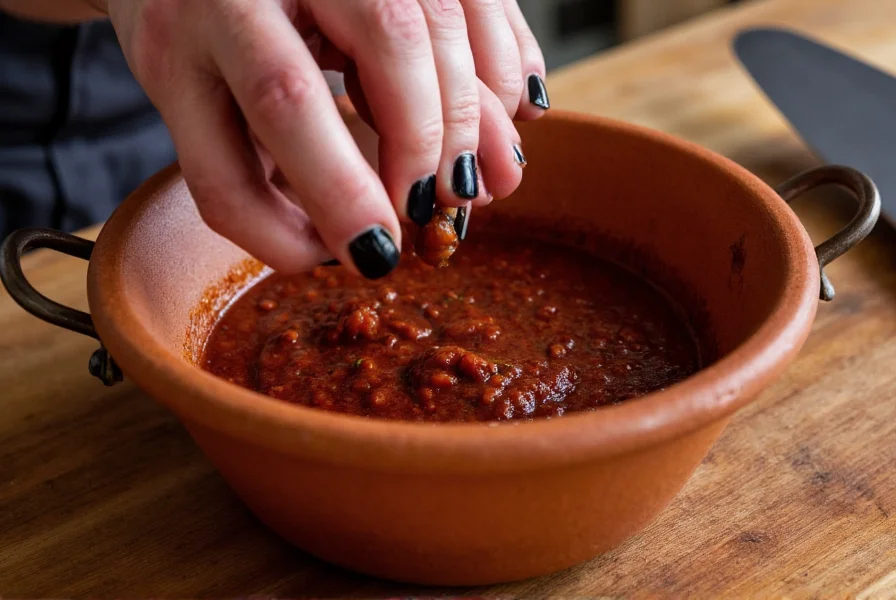
Substitution success depends on precise chemical and culinary conditions. As documented by UC Davis food scientists, "the enzymatic browning and Maillard reaction products formed during traditional sun-drying of poblanos create unique flavor precursors absent in machine-dried alternatives or fresh peppers" (UC ANR Postharvest Technology Center). Key scenario-based limitations include:
| Cooking Context | Acceptable Substitute | Critical Limitation | Failure Threshold |
|---|---|---|---|
| Quick sauces (<30 min simmer) | Paprika-cayenne blend | Cannot replicate reconstituted pepper texture | When recipe requires whole softened peppers |
| Traditional Oaxacan mole | Mulato (70% similar) | Missing key ester compounds for authentic fruit notes | When UNESCO-recognized preparation methods required |
| Adobo marinades (>24 hr) | Guajillo | Different enzyme profile affects meat tenderization | When slow enzymatic breakdown is critical |
In scientifically sensitive applications like heritage recipes, culinary experts recommend either sourcing authentic ancho or modifying the dish framework. As noted in the Journal of Ethnic Foods, "substitution compromises become chemically significant when dish preparation time falls below 45 minutes or involves enzymatic tenderization" (DOI: 10.1186/s42779-022-00153-2).




 浙公网安备
33010002000092号
浙公网安备
33010002000092号 浙B2-20120091-4