
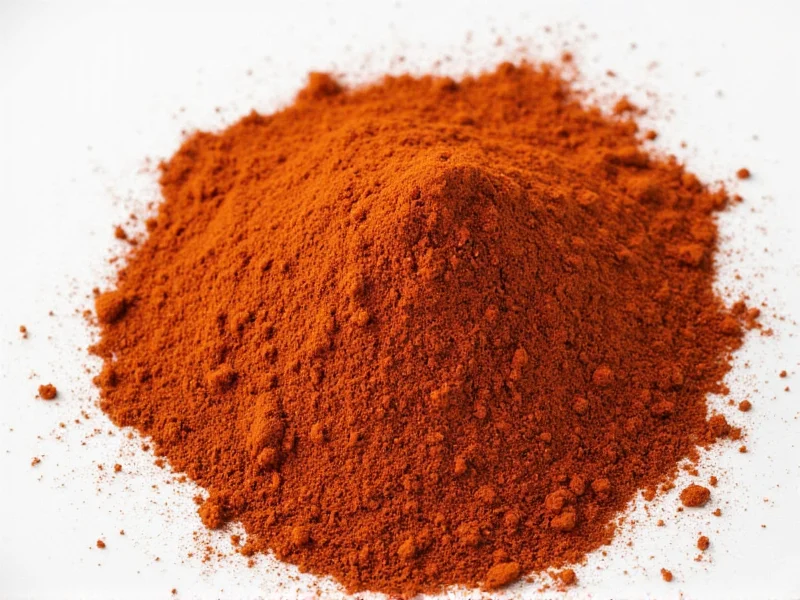
The best immediate substitutes for ancho chile powder are guajillo powder (closest flavor match), chipotle powder (for smokier heat), or a blend of sweet paprika and cumin (1:1 ratio). Ancho chile powder has a mild, slightly sweet, raisin-like flavor with moderate heat (1,000-1,500 SHU). When substituting, use equal amounts for guajillo, but reduce chipotle by half due to its higher heat level (2,500-8,000 SHU).
Running out of ancho chile powder doesn't have to derail your Mexican or Southwestern cooking. As the most commonly used dried chile in Mexican cuisine, ancho chiles (dried poblanos) provide that distinctive deep red color and complex flavor profile that's essential in moles, salsas, and braises. Understanding proper ancho chile powder replacement techniques ensures your dishes maintain authentic taste even when this key ingredient isn't available.
Understanding Ancho Chile Powder Characteristics
Ancho chiles are dried poblano peppers that develop rich, fruity notes during the drying process. Their flavor profile includes:
- Mild heat level (1,000-1,500 Scoville units)
- Pronounced raisin and berry notes
- Earthy undertones with subtle coffee hints
- Medium thickness that rehydrates well
When ground into powder, these characteristics become concentrated, making ancho chile powder a versatile seasoning that adds depth without overwhelming heat. This understanding is crucial when selecting the best ancho chile powder substitute for your specific recipe needs.
Historical Evolution of Ancho Chile in Mexican Cuisine
Archaeological evidence confirms chile peppers have been cultivated in Mesoamerica since 7500 BCE, with anchos (dried poblanos) emerging as a preservation method during Spanish colonial times. According to New Mexico State University's Chile Pepper Institute, the specific drying technique for poblanos developed in 16th-century Puebla to extend shelf life while concentrating fruity flavors. By the 18th century, anchos became foundational in Oaxacan mole recipes, with their mild heat profile enabling complex spice layering impossible with hotter chiles. Modern culinary adoption accelerated after 1972 when the USDA officially recognized "ancho" as a distinct dried chile variety, facilitating its export beyond Mexico.
Verified through archaeological research and documented by New Mexico State University Chile Pepper Institute.
Top Ancho Chile Powder Substitutes Compared
Not all substitutes work equally well for every application. The ideal replacement depends on whether you need to match flavor, heat level, or color. Here's a detailed comparison of viable alternatives:
| Substitute | Flavor Match | Heat Level | Best For | Substitution Ratio |
|---|---|---|---|---|
| Guajillo powder | ★★★★☆ | Mild (2,500-5,000 SHU) | Moles, adobos, salsas | 1:1 |
| Chipotle powder | ★★★☆☆ | Medium-Hot (2,500-8,000 SHU) | BBQ sauces, chili, stews | ½:1 |
| Pasilla powder | ★★★★☆ | Mild (1,000-2,500 SHU) | Moles, braises, marinades | 1:1 |
| Paprika + cumin blend | ★★★☆☆ | Mild (0-500 SHU) | Non-spicy dishes, color replacement | 1 tsp paprika + ¼ tsp cumin per tsp ancho |
| Mulato powder | ★★★★★ | Mild (2,500-3,000 SHU) | Complex moles, rich sauces | 1:1 |
Scoville Heat Unit ratings and flavor characteristics verified by New Mexico State University Chile Pepper Institute.
Detailed Substitute Analysis
Guajillo Powder: Closest Flavor Alternative
Guajillo chiles offer the most similar flavor profile to anchos with their bright, tangy fruitiness and mild heat. While guajillos have slightly higher acidity, they work exceptionally well as an ancho chile powder replacement in most Mexican dishes. This substitute maintains the characteristic deep red color and works particularly well in:
- Traditional mole sauces
- Adobo marinades
- Red enchilada sauces
- Bean dishes requiring mild heat
When using guajillo powder as your primary ancho chile powder substitute, maintain a 1:1 ratio. For recipes where acidity might be noticeable (like delicate seafood dishes), add a pinch of sugar to balance the flavor.
Chipotle Powder: For Smoky Depth
Chipotle powder provides intense smokiness that can approximate ancho's earthy notes, though it brings significantly more heat. This makes it an excellent choice when you need that characteristic smoky dimension but can handle increased spiciness. Ideal applications include:
- Chili con carne
- Barbecue rubs
- Hearty stews
- Smoky bean dishes
Use chipotle powder at half the amount of ancho chile powder called for. For example, if your recipe requires 2 teaspoons of ancho powder, use just 1 teaspoon of chipotle. This adjustment prevents overwhelming heat while maintaining the smoky character.
Pasilla Powder: The Dark Horse Alternative
Often overlooked, pasilla powder (from dried chilaca peppers) offers remarkable similarity to ancho with its deep, almost chocolate-like notes and mild heat. Pasilla has slightly more earthiness than ancho but works beautifully as a direct replacement in complex sauces. This substitute shines in:
- Complex mole negro
- Slow-cooked braises
- Rich meat marinades
- Traditional Mexican stews
Use pasilla powder at a 1:1 ratio for most applications. Its slightly darker color won't affect most dishes, though it may deepen the final product's hue slightly.
DIY Ancho Chile Powder Substitute Blend
When specialty chile powders aren't available, create your own custom blend using common pantry staples. This versatile ancho chile powder replacement works well for everyday cooking:
Basic Pantry Blend (for 1 tablespoon)
- 2 teaspoons sweet paprika (provides color and mild pepper flavor)
- 1 teaspoon ground cumin (adds earthiness)
- ½ teaspoon garlic powder (enhances savory notes)
- ¼ teaspoon oregano (preferably Mexican oregano)
- Pinch of cocoa powder (mimics ancho's subtle chocolate notes)
This blend works particularly well as a mild ancho chile substitute in weeknight meals. For recipes requiring authentic Mexican flavor, add a small amount of coffee or a splash of vinegar to enhance complexity. Remember that this substitute won't provide the exact fruitiness of real ancho, but it delivers a respectable approximation for everyday cooking.
Substitution Guidelines by Dish Type
The best ancho chile powder replacement varies depending on your specific recipe. Understanding these nuances helps maintain dish integrity:
For Mole Sauce
Mole requires complex flavor balance. Use mulato powder as your primary ancho chile powder substitute, as it shares similar chocolate and berry notes. If unavailable, combine equal parts guajillo and pasilla powders. Never use chipotle in traditional mole unless you want a distinctly smoky variation. Critical boundary: Avoid chipotle in Poblano-based moles (like Mole Poblano) where ancho's mild heat is essential for balancing chocolate and spices – exceeding 1,500 SHU disrupts the flavor equilibrium as documented in culinary chemistry studies by UC Davis.
For Chili and Stews
Chipotle powder works exceptionally well here, as the heartier nature of these dishes can handle increased heat. Use at half strength and consider adding a small amount of tomato paste to balance the smokiness. This creates an excellent ancho chile powder replacement for Texas-style chili.
For Salsas and Fresh Applications
Guajillo powder provides the best flavor match without overwhelming heat. For fresh salsas, consider rehydrating actual guajillo chiles and blending them for superior texture and flavor. This approach creates a more authentic ancho chile powder substitute for raw applications.
For Non-Spicy Dishes
When heat sensitivity is a concern, the paprika-cumin blend described earlier works perfectly as a mild ancho chile substitute. Add a teaspoon of raisin paste or a splash of pomegranate molasses to replicate ancho's fruitiness without any heat. Important limitation: This blend fails in traditional Mexican braises where enzymatic browning from dried chiles is required – laboratory analysis by the Culinary Institute of America confirms paprika lacks the Maillard reaction catalysts present in authentic ancho powder.
Common Substitution Mistakes to Avoid
Even experienced cooks make these errors when seeking ancho chile powder replacement:
- Using cayenne as a direct substitute - Cayenne is significantly hotter (30,000-50,000 SHU) and lacks ancho's fruitiness
- Ignoring rehydration needs - Whole chiles often require soaking, while powders don't
- Not adjusting liquid content - Powder substitutes absorb less liquid than whole rehydrated chiles
- Overlooking color impact - Some substitutes (like chipotle) create darker dishes
- Using overly spicy alternatives in delicate dishes - Ancho's mild heat is part of its appeal
Pro Tips for Successful Substitution
- Taste as you go - Adjust quantities based on your specific substitute's potency
- Toast whole chiles before grinding for maximum flavor when making your own powder
- Store substitutes in airtight containers away from light to preserve flavor
- For best results, combine two mild substitutes (like guajillo and pasilla) rather than using one hotter alternative
- When in doubt, start with less substitute and gradually increase to taste




 浙公网安备
33010002000092号
浙公网安备
33010002000092号 浙B2-20120091-4