
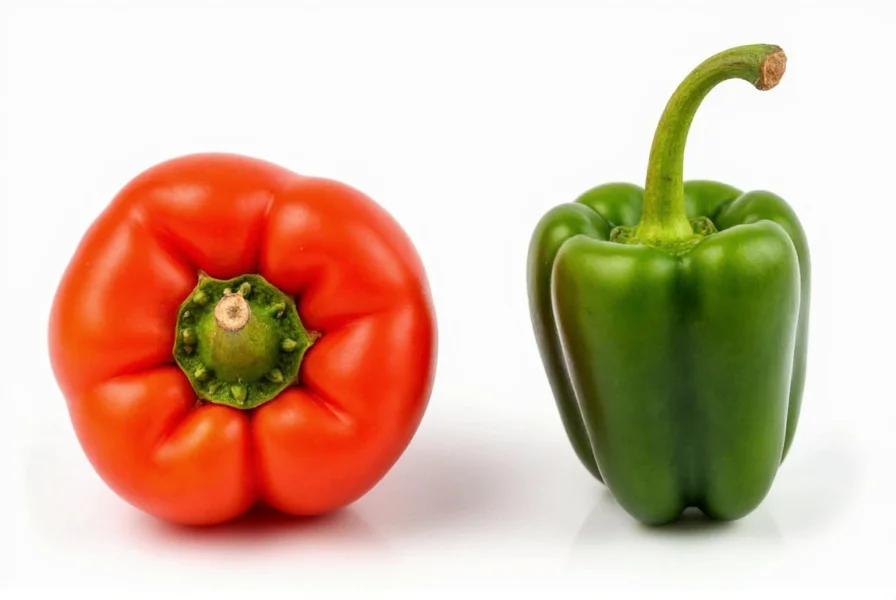
When comparing Anaheim peppers vs poblanos, understanding their unique characteristics helps home cooks and professional chefs make informed decisions for their recipes. Both peppers belong to the Capsicum annuum species but have developed distinct traits through cultivation in different regions.
Physical Characteristics Comparison
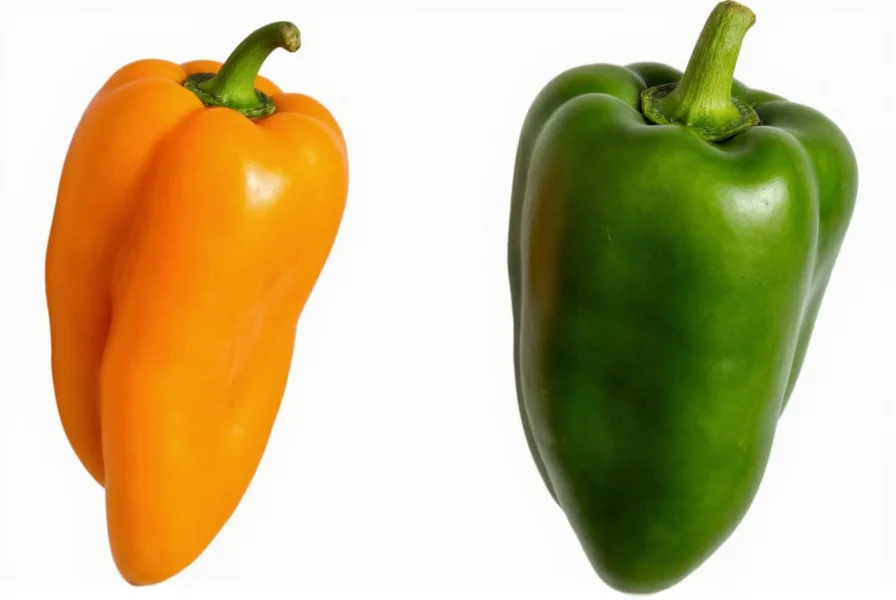
At first glance, Anaheim peppers and poblanos might appear similar, but closer examination reveals clear differences. Anaheim peppers grow longer and more slender, typically reaching 6-10 inches in length with a tapered shape. They start green and mature to a vibrant red. Poblanos, by contrast, have a distinctive heart-shaped profile, measuring 3-5 inches wide with a broader base. They maintain a dark green color even when fully mature, though they can occasionally develop reddish tones.
| Characteristic | Anaheim Pepper | Poblano Pepper |
|---|---|---|
| Length | 6-10 inches | 3-5 inches |
| Shape | Long, tapered, slightly curved | Heart-shaped, broad base |
| Wall Thickness | Thinner walls | Thicker walls |
| Color When Mature | Bright red | Dark green (sometimes red) |
| Heat Level (SHU) | 500-2,500 | 1,000-2,000 |
Heat Level and Flavor Profiles
Understanding the anaheim pepper vs poblano heat level difference is crucial for recipe planning. Verified by the Chile Pepper Institute at New Mexico State University, Anaheim peppers measure 500-2,500 Scoville Heat Units (SHU) while poblanos range from 1,000-2,000 SHU. This means some Anaheims can be milder than poblanos, while others might be slightly hotter.
Flavor-wise, Anaheim peppers offer a more straightforward, slightly sweet profile with grassy notes. When roasted, they develop a pleasant smokiness. Poblanos provide a more complex flavor—earthy with subtle fruit notes and a hint of cocoa. Their thicker walls contribute to a meatier texture that holds up well in cooking.
Culinary Applications
The physical differences between these peppers translate to different culinary strengths. The thinner walls of Anaheim peppers make them excellent for roasted poblano vs anaheim pepper applications where you want the pepper to break down into sauces or salsas. They're commonly used in green chili stew, ristras, and as a mild addition to egg dishes.
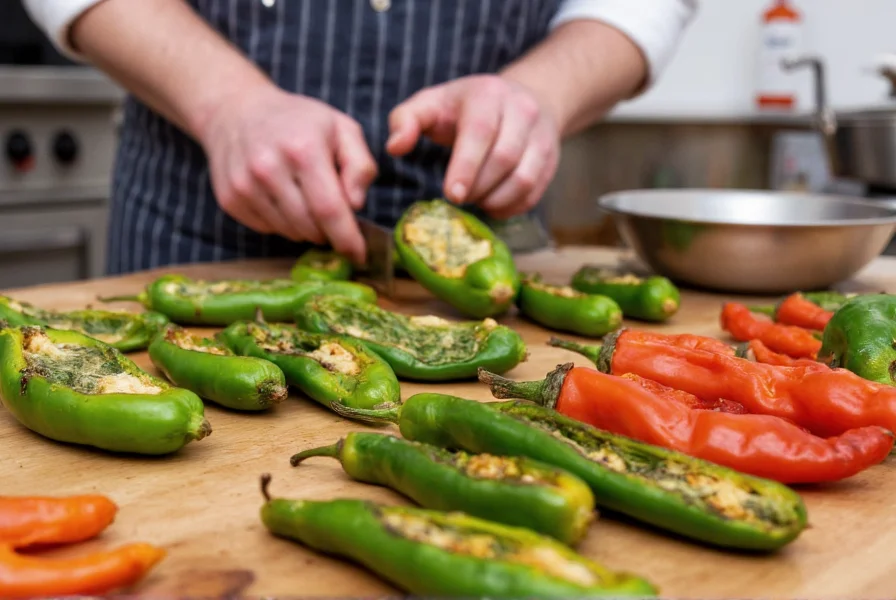
Poblanos shine when their structural integrity matters. Their thick, sturdy walls make them the preferred choice for stuffing, as in chiles rellenos. They maintain their shape better during cooking and provide that satisfying bite that thinner-walled peppers lack. When dried, poblanos become ancho chilies, while dried Anaheims are simply called California chilies.
Substitution Guidance
Many home cooks wonder can I substitute poblano for anaheim pepper in recipes. The answer depends on the specific dish:
- For sauces and salsas where texture matters less: Yes, they can substitute for each other
- For stuffed pepper recipes: Poblanos work better than Anaheims
- For roasting and peeling: Anaheims may cook more quickly due to thinner walls
- For heat-sensitive dishes: Test a small piece first as heat levels can vary
When substituting, remember that poblanos generally have a more pronounced flavor that might alter the dish's character slightly. For the most authentic results, follow recipes that specify which pepper to use.
Historical Development: Cultivation Timeline
The distinct profiles of these peppers emerged through centuries of regional adaptation. Archaeological and agricultural records reveal how geography shaped their evolution:
- 7,500 BCE: Chile peppers (including ancestors of modern poblanos) were first domesticated in Mesoamerica, with evidence from Puebla Valley sites confirming early cultivation. (Source: New Mexico State University Chile Pepper Institute)
- 1896: Emilio Ortega introduced Anaheim pepper seeds to Anaheim, California, from New Mexico, triggering regional adaptation to California's climate. (Source: New Mexico State University Chile Pepper Institute)
- 1920s: Commercial cultivation standardized Anaheim's mild heat profile in California, while poblanos remained predominantly grown in Mexico's Puebla region. (Source: USDA GRIN Taxonomy Database)
- Present: Genetic testing confirms both remain Capsicum annuum variants, but terroir-driven differences persist in commercial varieties. (Source: USDA Agricultural Research Service)
Regional Authenticity: Contextual Boundaries for Substitution
While substitution is sometimes feasible, culinary tradition establishes strict boundaries where pepper identity is non-negotiable. These context-dependent limitations preserve regional authenticity:
- Mole Poblano: Mexico's Ministry of Agriculture specifies dried poblanos (anchos) as mandatory for authentic mole from Puebla state. Substituting Anaheim (California chilies) alters the sauce's foundational earthiness. (Source: Secretaría de Agricultura y Desarrollo Rural)
- New Mexico Green Chile: State legislation defines authentic New Mexican green chile stew as requiring locally grown Anaheim-type cultivars. Poblanos lack the characteristic grassy notes essential to this regional specialty. (Source: New Mexico State University Chile Marketing Council)
- Chiles Rellenos: In traditional Mexican preparation, poblanos' structural integrity is non-substitutable. Anaheims' thinner walls increase rupture risk during frying, altering the dish's textural integrity. (Source: New Mexico State University Chile Pepper Institute)
These examples demonstrate that substitution suitability depends on whether the recipe prioritizes functional properties (heat/texture) or cultural authenticity.
Growing and Selection Tips
Gardeners interested in growing these peppers should note that Anaheim peppers typically require a longer growing season (75-90 days) compared to poblanos (65-80 days). Both prefer warm temperatures and well-draining soil.
When selecting peppers at the market, look for firm, glossy skin without wrinkles or soft spots. Heavier peppers for their size indicate better moisture content and freshness. Store both varieties in the refrigerator's crisper drawer for up to two weeks.
Common Recipes for Each Pepper
Understanding the difference between anaheim and poblano peppers helps determine which recipes showcase each variety best:
Anaheim Pepper Specialties:
- New Mexico green chili stew
- Roasted pepper salsa
- Pepper jack cheese variations
- Green chili cornbread
Poblano Pepper Specialties:
- Chiles rellenos (stuffed peppers)
- Rajas con queso (strips with cheese)
- Mole poblano sauce
- Crema de poblano (poblano soup)
Final Recommendation
When deciding between Anaheim peppers and poblanos, consider your recipe's requirements. Choose Anaheim peppers when you want a milder heat and thinner-walled pepper that integrates well into sauces. Opt for poblanos when you need a sturdier pepper for stuffing or when you prefer their earthier flavor profile. Understanding these subtle but important distinctions—the anaheim pepper vs poblano differences—elevates your cooking and ensures your dishes turn out as intended.




 浙公网安备
33010002000092号
浙公网安备
33010002000092号 浙B2-20120091-4